20% off €45 or 15% off €35
 Track an order
 Manage account
 Buy It Again
 Favourites
 Rewards
 Find a store
What is dermaplaning and should you do it at home?

Written byEllie Hughes

Reviewed byIzabela Pawlitka, Head Aesthetician
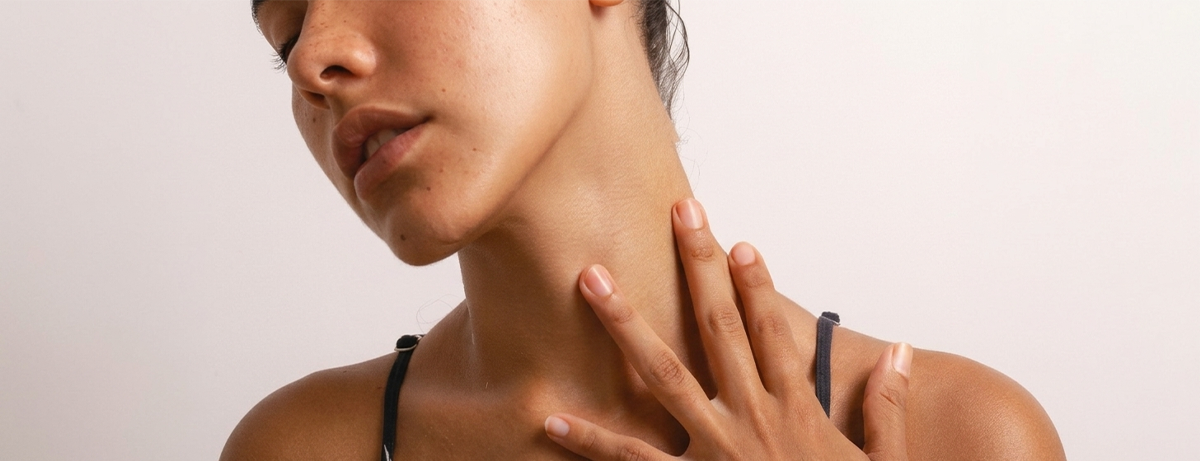
Dermaplaning has been a favourite among celebrities for years. But what exactly is this treatment and is DIY dermaplaning really worth trying?
Summary
1What is dermaplaning?
A non-invasive exfoliation treatment that removes dead skin cells and fine facial hair to help leave skin looking smoother and brighter.
2Is dermaplaning right for everyone?
Dermaplaning is generally safe for most skin types, but it may not be suitable if you have active breakouts, irritated skin or certain skin conditions
3Can you dermaplane at home?
Yes, but at-home dermaplaning may not deliver the same results as a professional treatment and may carry a greater risk of irritation or injury.
Dermaplaning has become one of the beauty world's most talked-about treatments, promising to help skin look smoother, brighter and more refreshed. But while it may feel like a modern skincare trend, versions of the treatment have actually been around since ancient Egyptian times.1 We spoke to Izabela Pawlitka, holistic anaesthetician and dermaplaning expert at the Dr David Jack clinics, to find out how dermaplaning works, who it's suitable for and whether some of the claims surrounding it really stack up.
What is dermaplaning?
“In simple terms, dermaplaning is a non-invasive cosmetic exfoliation treatment,” explains Izabela. “We use a sterilised surgical blade to remove the top skin layer (the dead skin cells) and fine facial hair, known as peach fuzz. When you finish the process, the skin feels almost naked.”
Dermaplaning works on the outermost three or four layers of the skin, helping with the natural shedding process. It’s seen as a relatively inexpensive, gentle and no-fuss alternative to more aggressive skin therapies, plus it offers immediate results.
Common dermaplaning myths, debunked
While dermaplaning has become a popular skincare treatment, there's still limited research into its long-term benefits. As a result, a number of myths have emerged around what it can and can't do. Here's what the evidence says.
Myth: dermaplaning helps skin cells regenerate faster
While dermaplaning removes dead skin cells from the surface of the skin, it doesn't speed up your skin's natural cell turnover process. Skin cells regenerate at their own rate regardless of whether you dermaplane.
Myth: dermaplaning prevents breakouts
Removing dead skin cells may help your skin feel smoother, but dermaplaning isn't a proven treatment for acne and won't necessarily make your skin less prone to breakouts.
Myth: dermaplaning stimulates collagen production
Unlike treatments such as microneedling, dermaplaning doesn't create controlled injury to the skin, so there's no evidence that it directly supports collagen production.
Myth: hair grows back thicker or darker
This is perhaps the most common misconception. Dermaplaning removes vellus hair (often called peach fuzz), but it doesn't change the structure, colour or growth rate of the hair. When it grows back, it may feel slightly stubbly at first because of the blunt edge created by shaving.
Myth: dermaplaning can shrink pores
Pore size is largely determined by genetics, age and skin type.2 While your skin may appear smoother after treatment, dermaplaning can't physically reduce pore size.
Myth: dermaplaning is an anti-ageing treatment
Dermaplaning can create a brighter, smoother-looking complexion by exfoliating the skin, but it shouldn't be considered a standalone anti-ageing treatment. It won't reduce deep wrinkles or reverse signs of skin ageing.
So, what are the benefits of dermaplaning?
“Dermaplaning leaves skin super-smooth and can help brighten the complexion,” says Izabela. “And because the vellus hair – fine facial hair – is removed, people find that makeup goes on better.”
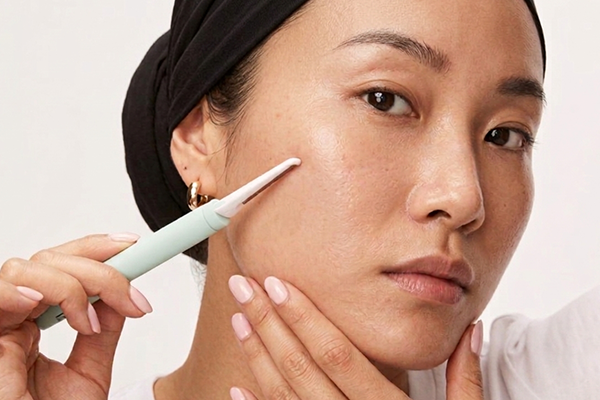
Another benefit of dermaplaning is that skin products can be absorbed more efficiently as a result.3 “Many people now use some kind of active ingredient in their skincare. That could be something like hyaluronic acid, vitamin C or niacinamide. These may work better after dermaplaning as they can penetrate more effectively once the dead skin cells in the top skin layer have been removed.”
Are there any downsides to dermaplaning?
When done properly, Izabela says that dermaplaning is a safe process with minimal side effects. “You might find your skin is a bit red straight after,” she adds. “That’s because whenever you touch the skin like this it’ll usually go red, but by the next day it should be fine. Your skin might also feel a bit tingly when you apply your usual products to it but that’s because they could be working more efficiently.”
And you don’t need to worry about it hurting, either. “It just feels like someone is very gently scraping your skin, starting at the forehead area, working through the whole face to the jawline and all the way to the neck without discomfort.”
Is dermaplaning right for everyone?
Dermaplaning is generally considered safe for most skin types, but there are some situations where it's best to postpone treatment or avoid it altogether:
If you're experiencing an active breakout, dermaplaning isn't recommended. The blade can irritate inflamed skin and may spread acne-causing bacteria by rupturing spots, potentially making breakouts worse. "I wouldn't perform dermaplaning on skin with this kind of extremely high level of inflammation," says Izabela.
Dermaplaning over sunburnt skin, cold sores or conditions like contact dermatitis can increase irritation and discomfort. So, it's best to wait until your skin has fully healed before booking a treatment or DIY.
Whether dermaplaning is suitable for rosacea can depend on the person. While some people report smoother, calmer-looking skin after treatment, others may find it triggers irritation. Izabela says she's seen positive results in some clients with rosacea but advises against treatment if active pustules are present.
If you're living with eczema or psoriasis, it's worth speaking to a dermatologist before trying dermaplaning and avoid trying it at home. As these conditions can compromise the skin barrier, professional advice can help determine whether the treatment is right for you.
If your skin is particularly sensitive, recently sun-exposed or recovering from treatments such as chemical peels, laser procedures or prescription retinoids, you may need to wait before having dermaplaning. Removing the top layer of dead skin cells can further irritate an already vulnerable skin barrier.
Can you dermaplane at home?
With a growing number of at-home dermaplaning tools now available, it can be tempting to skip the salon and try the treatment yourself. While DIY dermaplaning may be more convenient and budget-friendly, the results are unlikely to match those achieved by a trained professional and there are a few extra risks to consider.
- Professional tools are sharper and more precise: when you have dermaplaning performed in a clinic, practitioners use sterile, single-use surgical blades designed to safely remove both dead skin cells and fine facial hair. At-home tools tend to be less sharp, meaning they can effectively remove peach fuzz but may not deliver the same level of exfoliation. "At-home tools can be great for hair removal but they’re not as effective for skin," says Izabela
- Hygiene is key: professional treatments are carried out using sterile equipment in a controlled environment, helping to minimise the risk of irritation or infection. If you're dermaplaning at home, always use a clean, sanitised blade and follow the manufacturer's instructions carefully. Never share tools with anyone and replace blades as recommended
- There's a greater risk of nicks and irritation: without professional training, it's easier to apply too much pressure or use the wrong technique, which can lead to cuts, irritation or damage to the skin barrier. If you're new to dermaplaning or have any of the skin conditions discussed above, it may be worth seeking professional advice before trying it yourself
How to dermaplane your face: step by step
- Prepare by cleansing your face and patting it dry with a towel. You should also thoroughly clean your dermaplane blade and double cleanse your face if you need to
- Start on one side of your face and hold your skin taut with one hand
- Using the other hand, hold the dermaplaning tool at a 45-degree angle and gently move the tool in a downwards motion. Small, short strokes are best
- Once you’ve dermaplaned your whole face (or the specific areas you’re keen to target), moisturise with a cream, serum or a few drops of oil such as rosehip or vitamin E
- Finish with sunscreen (ideally SPF50) to protect your skin
Dermaplaning FAQs
No, because it doesn’t affect the hair follicle, it won’t affect how hair grows back in terms of growing back thicker or faster. “For some people, it might feel rougher because their skin is now smoother, but the biology of the hair is unchanged,” explains Izabela.
There's no set rule – it depends on your skin and personal preference. Izabela says her clients come back every six weeks to three months, whilst others might prefer to do it more regularly, like every three to four weeks.
Yes, you can stop dermaplaning at any time. “A small percentage of people I see – around 5-10% – choose not to have dermaplaning for a second time, either because they didn’t enjoy it or didn’t see the benefits,” says Izabela
There’s no reason not to as your hair will usually grow back exactly the same after dermaplaning.
The final say
For most people, dermaplaning can be a simple way to help skin look smoother, brighter and a little more camera-ready. Whether you go pro or DIY, the golden rule is to take care and know your skin. And if you have an inflammatory skin condition, it’s always best to check in with a dermatologist first.
Keen for more at-home skincare? Red light face masks are everywhere right now, promising everything from a brighter complexion to fewer fine lines. But do they actually work? We asked dermatological and aesthetic doctor Dr Nora Jaafar to separate the science from the hype…
Disclaimer – This article provides informational advice and is not a substitute for medical care. Working with experts for accuracy, we take great care to ensure the information is up-to-date and relevant. However, you should always consult your GP or healthcare professional before using supplements or alternative products, particularly if you have medical conditions or are under supervision.
1. Ferreira IG, Weber MB, Bonamigo RR. History of dermatology: the study of skin diseases over the centuries. Anais Brasileiros de Dermatologia [Internet]. 2021 Mar 16;96(3):332–45. Available from: https://www.ncbi.nlm.nih.gov/pmc/articles/PMC8178570/]
2. Flament F, Francois G, Qiu H, Ye C, Hanaya T, Batisse D, et al. Facial skin pores: a multiethnic study. Clinical, Cosmetic and Investigational Dermatology [Internet]. 2015 Feb;85. Available from: https://www.ncbi.nlm.nih.gov/pmc/articles/PMC4337418/
3. Tijani AO, Frempong D, Kaur J, Sergent S, Shaw K, Lessaint R, et al. Dermaplaning for Transdermal Drug Permeation Enhancement: A Qualitative and Quantitative Assessment. AAPS PharmSciTech [Internet]. 2023 Feb 1;24(2):54. Available from: https://pubmed.ncbi.nlm.nih.gov/36725790/
Related to this article