How to tighten loose skin and support skin elasticity

Written byJodi M Johnson
Reviewed byPatille Joy Madaghjian
Loose skin is something many of us experience, yet it can be hard to talk about. Here’s what causes it, what may help improve it and how to feel more confident in your skin
Summary
1What causes loose skin?
Significant changes in body weight can leave excess skin, particularly when a large amount of weight has been lost.
2Can you tighten loose skin naturally?
If you're searching for ways to tighten loose skin naturally, healthy habits can support skin health, hydration, muscle tone and elasticity.
3What can help remove excess loose skin?
If you have a significant amount of loose or excess skin, then surgery can remove the excess skin from specific areas of the body.
Noticed your skin doesn’t feel quite as firm as it used to? Maybe it’s changed after losing weight, having a baby or simply just over time. Loose or sagging skin is a common concern and can affect almost any area of the body, including the stomach, arms, thighs, face and neck. It can develop for several reasons, from ageing and genetics to pregnancy and changes in body weight.
If you’re wondering how to get rid of loose skin, it’s worth knowing that there isn’t a proven natural way to completely remove excess skin. However, there are ways to support your skin’s health and elasticity, which may help improve its overall appearance. Let’s look at the common loose skin causes, whether you can tighten loose skin naturally and what you can realistically expect from exercise, skincare and supplements.
What causes loose skin?
There are several possible loose skin causes. How much skin loosens – and how well it springs back – varies considerably from person to person.
Ageing
Ageing is one of the most common reasons skin becomes less firm. As we get older, changes happen in the dermis, the deeper layer of the skin. The skin produces and maintains less collagen and elastin, while its structure and ability to retain moisture also change.1 Collagen provides strength and structure, while elastin helps skin stretch and return towards its original shape.2 These changes can contribute to wrinkles, thinning and sagging.
Genetics
Your genes can influence how your skin ages.1 Research has identified genetic factors associated with several characteristics of skin ageing, including wrinkling and sagging.3 This is one reason why two people of the same age can have quite different-looking skin. Your genes aren't the only factor, though. Lifestyle and environmental factors – including sun exposure and smoking – can also influence how skin changes over time.4
Pregnancy
Pregnancy causes the skin around the abdomen to stretch as the body grows. Changes in body weight and hormones can also affect the skin during pregnancy.5,6 How the skin looks and feels after giving birth varies from person to person, some people may be left with a degree of loose skin or changes in skin texture. Stretch marks can also develop when skin is stretched, although they’re different from loose skin.7 There’s no need to feel that your body should immediately return to how it looked before pregnancy. Changes to your skin and body shape are a normal part of pregnancy and the postnatal period.8
Changes in body weight
Experiencing loose skin after weight loss? Significant changes in body weight can leave excess skin, particularly when a large amount of weight has been lost.9 How much loose skin remains depends on several factors, including age, genetics, the amount of weight lost and how long the skin was stretched.9,10 It's important not to avoid healthy weight loss because of concerns about loose skin. If you're trying to lose weight, aim for a sustainable approach that supports your overall health rather than trying to lose weight as quickly as possible.11 Gradual, sustainable weight loss of around 1–2 pounds (0.5–1 kg) per week is generally the healthiest approach. It allows your body (including your skin) time to adapt to the changes.12
Understanding skin elasticity: collagen and elastin
To understand why skin can become loose, it helps to know a little about collagen and elastin. Collagen is a major structural protein in the skin.13 It’s important for skin elasticity because it provides structural support and tensile strength to the skin, helping it resist stretching and maintain its shape.13 It forms a strong framework within the skin’s connective tissue, which contributes to firmness and elasticity.13
Elastin is an important component of the skin’s connective tissue and helps skin stretch and recoil – helping to contribute to healthy, resilient skin.14 However, as part of the natural ageing process, elastin production decreases, ageing and UV exposure can cause elastic fibres to become disrupted and degraded.14 Though once skin has been significantly stretched, it may not completely return to its previous shape.9 This means that even if you improve your overall skin health, there may still be some visible loose or excess skin.
Can you tighten loose skin naturally?
If you're searching for ways to tighten loose skin naturally, it's important to have realistic expectations. Healthy habits can support skin health, hydration, muscle tone and elasticity. 15,16 However, healthy lifestyle measures can’t remove substantial amounts of excess skin.17 The approach that's right for you depends on why the skin has become loose and how much excess skin there is.
Exercises for loose skin
Research suggests that exercise may influence processes involved in collagen production, which is important for maintaining skin elasticity and thickness, and regular exercise may help reduce some age-related changes in the skin.16,18
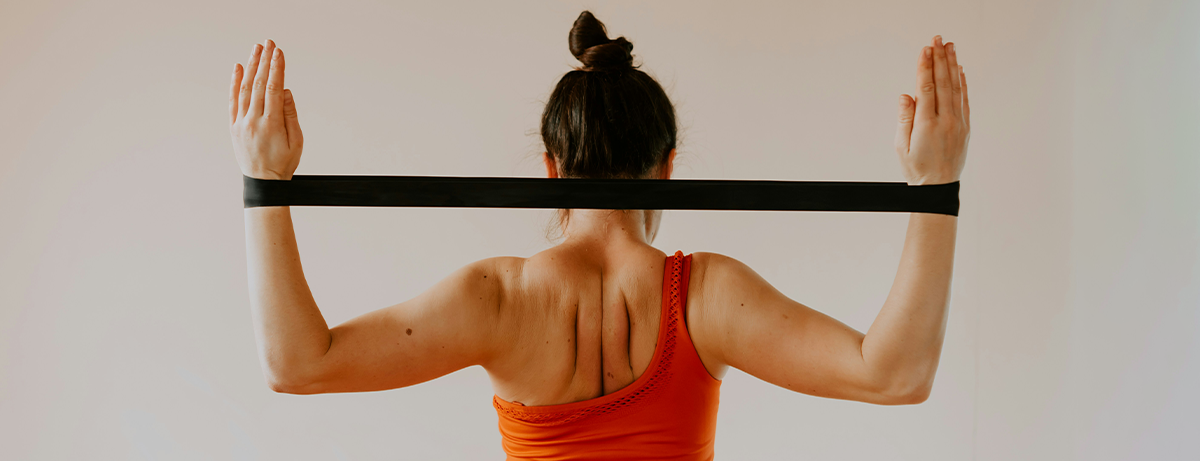
Resistance training can help increase muscle mass and may support aspects of skin structure, including skin elasticity. 16 Resistance training doesn’t remove excess skin itself, though it may help improve body composition and contribute to a more toned overall appearance.16,18
Eat a balanced diet
A healthy, balanced diet can play an important role in supporting skin health, repair and renewal.19 Nutrients from foods such as fruits, vegetables, healthy fats and protein provide the body with compounds needed to maintain the skin’s structure and function, while antioxidants may help protect skin cells from oxidative damage.19
Stay hydrated
As well as being important for your overall health, staying hydrated helps keep your skin healthy and functioning normally.15 While drinking enough water can help keep your skin hydrated and comfortable, it’s important to keep expectations realistic.15 Instead, think of hydration as one way to support your skin rather than a treatment for excess skin.15
Protect your skin from the sun
Protecting your skin from UV exposure can help slow the damage that contributes to skin sagging.1 Repeated exposure to UVA and UVB can damage the skin’s elastic fibres and reduce its elasticity, which can contribute to wrinkles and sagging over time.20 Using sun protection, such as sunscreen and covering exposed skin, can help protect the skin’s structure and maintain its elasticity but it won’t tighten existing loose skin.20
What about collagen supplements for loose skin?
You’ll often see collagen supplements promoted as a way to improve skin elasticity, but the evidence is more nuanced than the marketing might suggest. Research has shown improvements in measures such as skin hydration and elasticity among people taking hydrolysed collagen supplements when taken for approximately 12 weeks.21-25 However, the studies have limitations, including differences in products, doses, study duration and the methods used to assess outcomes, so more high-quality research is needed.26-28 Importantly, evidence that collagen supplements can improve certain measures of skin elasticity isn't the same as evidence that they can remove excess loose skin.
What can help remove excess loose skin?
If you have a significant amount of loose or excess skin, lifestyle changes such as exercise may not be enough to remove it. In some cases, surgery can remove excess skin from specific areas of the body.17
There are also non-surgical and minimally invasive skin-tightening procedures, such as radiofrequency.29 Some studies have reported improvements in skin tightness, although the evidence is limited, results can vary and improvements are generally more modest than those achieved with surgery.29 If you're considering a cosmetic procedure, speak to an appropriately qualified healthcare professional about whether it's suitable for you.
Can loose skin cause health problems?
Loose skin can be simply a cosmetic concern, but it’s completely understandable if you’d prefer to change its appearance.9 For some people, larger areas or folds of excess skin can also be uncomfortable or difficult to manage day to day.30 When skin rubs against skin, it can cause friction, irritation and soreness, while moisture that becomes trapped in the folds can create an environment where skin problems are more likely to develop.30 Speak to your GP if loose skin is causing persistent soreness, broken skin, recurrent infections or has a significant impact on your wellbeing.
Loose skin FAQs
While skincare can have benefits, it’s worth keeping expectations realistic. A good moisturiser can support your skin’s hydration, leaving it feeling softer and smoother and making fine lines look less noticeable temporarily – though moisturisers can’t remove significant amounts of excess skin.31 Some ingredients, such as retinoids, have evidence behind them for supporting collagen production and improving certain signs of sun-related skin ageing.32 However, they won’t remove loose or excess skin either. 31 If you’re thinking about trying a retinoid, follow the product instructions and speak to a healthcare professional if you’re unsure whether it’s right for you.
You can improve the appearance of loose skin without surgery, but you usually can’t remove significant amounts of excess skin completely.31 Strength training, a healthy diet, good hydration and looking after your skin can support its health and appearance, while non-surgical skin-tightening treatments may offer some improvement for certain people.
How much loose skin remains after weight loss can vary from person to person. After significant weight loss, the skin may have been stretched for a long time, which can reduce its elasticity and ability to spring back fully. After significant weight loss, the skin has often been stretched for a long time, and changes to collagen and elastin can reduce its ability to spring back fully.9
The final say
Loose skin is a completely normal part of changes in your body, particularly after significant weight loss – and there’s no one-size-fits-all approach to what happens next. While lifestyle changes such as strength training, eating well, staying hydrated and protecting your skin can support its health and appearance, they can’t always remove significant amounts of excess skin. Whether you choose to embrace it, focus on healthy habits or speak to a healthcare professional about treatments, what matters is finding an approach that feels right for you.
Curious about whether you can you target love handles or how long does it actually take to lose weight? Explore our guides for more expert insights.
Disclaimer – This article provides informational advice and isn’t a substitute for medical care. Working with experts for accuracy, we take great care to ensure the information is up-to-date and relevant. However, you should always consult your GP or healthcare professional before using supplements or alternative products, particularly if you have medical conditions or are under supervision.
1. Hussein RS, Salman Bin Dayel, Othman Abahussein, Abeer Ali El‐Sherbiny. Influences on Skin and Intrinsic Aging: Biological, Environmental, and Therapeutic Insights. Journal of Cosmetic Dermatology. 2024 Nov 27;24(2).
2. Wang S, Li F, Feng X, Feng M, Niu X, Jiang X, et al. Promoting collagen synthesis: a viable strategy to combat skin ageing. Journal of Enzyme Inhibition and Medicinal Chemistry. 2025 Apr 11;40(1).
3. Wong C, Ng JY, Sio YY, Chew FT. Genetic determinants of skin ageing: a systematic review and meta-analysis of genome-wide association studies and candidate genes. Journal of PHYSIOLOGICAL ANTHROPOLOGY. 2025 Feb 8;44(1).
4. Vierkötter A, Krutmann J. Environmental influences on skin aging and ethnic-specific manifestations. Dermato-Endocrinology [Internet]. 2012 July [cited 2026 Sept 10];4(3):227–31. Available from: https://www.ncbi.nlm.nih.gov/pmc/articles/PMC3583881/
5. Gupta SN, Bhushan Madke, Samyak Ganjre, Sugat Jawade, Ambika Kondalkar. Cutaneous Changes During Pregnancy: A Comprehensive Review. Cureus [Internet]. 2024 Sept 23 [cited 2026 Sept 10];. Available from: https://pmc.ncbi.nlm.nih.gov/articles/PMC11497768/
6. https://www.facebook.com/nhswebsite. Stretch marks in pregnancy [Internet]. nhs.uk. 2020 [cited 2026 Sept 10]. Available from: https://www.nhs.uk/pregnancy/common-symptoms/stretch-marks/
7. NHS. Stretch marks [Internet]. nhs.uk. 2017 [cited 2026 Sept 10]. Available from: https://www.nhs.uk/conditions/stretch-marks/
8. Vora R, Gupta R, Mehta M, Chaudhari A, Pilani A, Patel N. Pregnancy and skin. Journal of Family Medicine and Primary Care. 2014;3(4):318.
9. Boswell CB. Body Contouring Following Massive Weight Loss. Missouri Medicine [Internet]. 2014 [cited 2026 Sept 10];107(3):189. Available from: https://pmc.ncbi.nlm.nih.gov/articles/PMC6188338/
10. Checking your browser - reCAPTCHA [Internet]. Nih.gov. 2026 [cited 2026 Sept 10]. Available from: https://pmc.ncbi.nlm.nih.gov/articles/PMC10899414/
11. National Health Service. Lose Weight - Better Health [Internet]. nhs.uk. NHS; 2020 [cited 2026 Sept 10]. Available from: https://www.nhs.uk/better-health/lose-weight/
12. NHS website. Overweight and obesity in adults [Internet]. nhs.uk. 2026 [cited 2026 Sept 10]. Available from: https://www.nhs.uk/conditions/overweight-and-obesity/
13. Wu M, Crane JS, Cronin K. Biochemistry, Collagen Synthesis [Internet]. Nih.gov. StatPearls Publishing; 2023 [cited 2026 Sept 10]. Available from: https://www.ncbi.nlm.nih.gov/books/NBK507709/
14. Baumann L, Bernstein EF, Weiss AS, Bates D, Humphrey S, Silberberg M, et al. Clinical Relevance of Elastin in the Structure and Function of Skin. Aesthetic Surgery Journal Open Forum [Internet]. 2021 May 14 [cited 2026 Sept 10];3(3). Available from: https://academic.oup.com/asjopenforum/article/3/3/ojab019/6275566
15. Rodrigues L, Palma L, Tavares Marques L, Bujan Varela J. Dietary water affects human skin hydration and biomechanics. Clinical, Cosmetic and Investigational Dermatology [Internet]. 2015 Aug [cited 2026 Sept 10];8(8):413. Available from: https://www.ncbi.nlm.nih.gov/pmc/articles/PMC4529263/
16. Nishikori S, Yasuda J, Murata K, Takegaki J, Harada Y, Shirai Y, et al. Resistance training rejuvenates aging skin by reducing circulating inflammatory factors and enhancing dermal extracellular matrices. Scientific Reports [Internet]. 2023 June 23 [cited 2026 Sept 10];13(1):10214. Available from: https://pubmed.ncbi.nlm.nih.gov/37353523/#:~:text=Resistance%20training%20rejuvenates%20aging%20skin
17. NHS website. Tummy tuck (abdominoplasty) [Internet]. nhs.uk. 2023 [cited 2026 Sept 10]. Available from: https://www.nhs.uk/tests-and-treatments/cosmetic-procedures/cosmetic-surgery/tummy-tuck/
18. Oizumi R, Sugimoto Y, Aibara H. The Potential of Exercise on Lifestyle and Skin Function: Narrative Review. JMIR Dermatology [Internet]. 2024 Mar 14 [cited 2026 Sept 10];7(1):e51962. Available from: https://derma.jmir.org/2024/1/e51962/
19. Cao C, Xiao Z, Wu Y, Ge C. Diet and Skin Aging—From the Perspective of Food Nutrition. Nutrients [Internet]. 2020 Mar 24 [cited 2026 Sept 10];12(3):870. Available from: https://www.ncbi.nlm.nih.gov/pmc/articles/PMC7146365/
20. Imokawa G, Ishida K. Biological Mechanisms Underlying the Ultraviolet Radiation-Induced Formation of Skin Wrinkling and Sagging I: Reduced Skin Elasticity, Highly Associated with Enhanced Dermal Elastase Activity, Triggers Wrinkling and Sagging. International Journal of Molecular Sciences. 2015 Apr 8;16(12):7753–75.
21. Koizumi S, Inoue N, Shimizu M, Kwon C, Kim H, Park KS. Effects of Dietary Supplementation with Fish Scales-Derived Collagen Peptides on Skin Parameters and Condition: A Randomized, Placebo-Controlled, Double-Blind Study. International Journal of Peptide Research and Therapeutics. 2017 Aug 28;24(3):397–40
22. Kim DU, Chung HC, Choi J, Sakai Y, Lee BY. Oral Intake of Low-Molecular-Weight Collagen Peptide Improves Hydration, Elasticity, and Wrinkling in Human Skin: A Randomized, Double-Blind, Placebo-Controlled Study. Nutrients [Internet]. 2018 Jun 26;10(7):826. Available from: https://www.mdpi.com/2072-6643/10/7/826/pdf
23. Kim J, Tae Hyun Kim, Lee J, Choi S, Suk J, Ju Hee Lee, et al. Oral Supplementation of Low-Molecular-Weight Collagen Peptides Reduces Skin Wrinkles and Improves Biophysical Properties of Skin: A Randomized, Double-Blinded, Placebo-Controlled Study. Journal of Medicinal Food. 2022 Dec 1;25(12):1146–54
24. Sugihara F, Inoue N, Wang X. Clinical effects of ingesting collagen hydrolysate on facial skin properties: -A randomized, placebo-controlled, double-blind trial-. Japanese Pharmacology and Therapeutics [Internet]. 2015 Jan 1;43(1):67–70. Available from: https://www.researchgate.net/publication/282266135_Clinical_effects_of_ingesting_collagen_hydrolysate_on_facial_skin_properties_-A_randomized_placebo-controlled_double-blind_trial-
25. Lee JS, Yoon YC, Kim JM, Kim YH, Kang YH, Shin YC. Liquid collagen from freshwater fish skin ameliorates hydration, roughness and elasticity in photo-aged skin: a randomized, controlled, clinical study. Nutrition research and practice [Internet]. 2024 Jun;18(3):357–71. Available from: https://pubmed.ncbi.nlm.nih.gov/38854476/
26. Myung SK, Park Y. Effects of Collagen Supplements on Skin Aging: A Systematic Review and Meta-analysis of Randomized Controlled Trials. The American Journal of Medicine. 2025 May
27. Pu SY, Huang YL, Pu CM, Kang YN, Hoang KD, Chen KH, et al. Effects of Oral Collagen for Skin Anti-Aging: A Systematic Review and Meta-Analysis. Nutrients [Internet]. 2023 Jan 1;15(9):2080. Available from: https://www.mdpi.com/2072-6643/15/9/2080
28. Andriani D, Arimuko A, Lilik Norawati, Yenny SW, Setiasih NL, Angki Perdiyana, et al. Exploring the Impact of Hydrolyzed Collagen Oral Supplementation on Skin Rejuvenation: A Systematic Review and Meta-Analysis. Curēus [Internet]. 2023 Dec 9 [cited 2024 Apr 12]; Available from: https://www.ncbi.nlm.nih.gov/pmc/articles/PMC10773595/
29. de Araújo AR, Soares VPC, da Silva FS, Moreira T da S. Radiofrequency for the treatment of skin laxity: mith or truth. Anais Brasileiros de Dermatologia [Internet]. 2015 [cited 2026 Sept 10];90(5):707–21. Available from: https://www.ncbi.nlm.nih.gov/pmc/articles/PMC4631236/
30. Mistiaen P, van Halm-Walters M. Prevention and treatment of intertrigo in large skin folds of adults: a systematic review [Internet]. Vol. 9, BMC nursing. England; 2010 [cited 2026 Sept 10]. p. 12. Available from: https://pubmed.ncbi.nlm.nih.gov/20626853/
31. Many ways to firm sagging skin [Internet]. www.aad.org. [cited 2026 Sept 10]. Available from: https://www.aad.org/public/cosmetic/younger-looking/firm-sagging-skin
32. Quan T. Human Skin Aging and the Anti-Aging Properties of Retinol. Biomolecules [Internet]. 2023 Nov 1 [cited 2026 Sept 10];13(11):1614. Available from: https://www.mdpi.com/2218-273X/13/11/1614