Track an order
 Manage account
 Buy It Again
 Favourites
 Rewards
 Find a store
The No Poo method: does washing your hair without shampoo actually work?

Written byAnnabel Francis

Reviewed byMadalena Vieira Costa
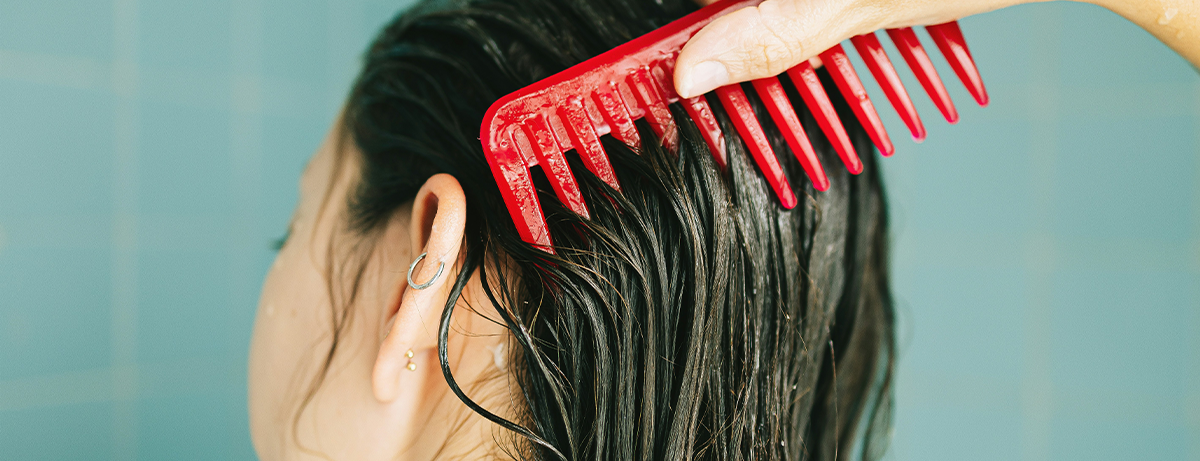
Thinking of ditching shampoo? We unpack the No Poo method, what it could mean for your hair and scalp and what to know before giving it a go
Summary
1What is the No Poo method?
The No Poo method means cutting out traditional shampoo and washing your hair using water or alternative cleansing methods instead.
2Can you wash your hair with just water?
Some people use water alone, but whether this works for you will depend on your hair type, scalp and how much oil or product build-up you have.
3How often should you wash your hair?
This depends on factors including your hair type and how oily or dirty your scalp is.
Heard of the No Poo method? Despite the name, it has nothing to do with your toilet habits. ‘No Poo’ simply means no shampoo. The idea has gained a following among people looking to simplify their haircare routine or use fewer conventional hair products. Some ditch shampoo completely and wash with water, while others use alternative cleansing methods.1,3
No-shampoo hair washing might have a lot of hype behind it, but does it actually work? And is giving up shampoo necessarily better for your hair? The answer isn't quite as simple as the trend might suggest. Here’s what to know before putting down the shampoo bottle.
What is the No Poo method?
The No Poo method is an approach to haircare that involves reducing or completely cutting out traditional shampoo. There isn't one set way to do it. Some people wash their hair using only water, while others use conditioner or alternative cleansers. The idea is generally to clean the hair and scalp without conventional shampoo. But shampoo does have a purpose. It helps remove dirt and excess oil from your hair and your scalp, so cutting it out won't necessarily suit everyone.1 How often you need to shampoo can also vary depending on your hair and scalp needs.2,5
Are there any benefits of No Poo hair washing?
People try the No Poo method for different reasons, from simplifying their routine and using fewer haircare products to cutting down on packaging. Your cleansing needs can also depend on your hair type. For example, curly and coily hair can be more prone to dryness and breakage, so frequent shampooing may contribute to further dryness.5
But does ditching shampoo actually benefit your hair? Right now, there’s limited scientific evidence to show that giving up shampoo completely offers specific benefits for your hair or scalp.1,3 You may also have heard that gentler cleansing methods can help rebalance oil production, but there isn’t currently scientific evidence to support this either.1
Will the No Poo method make my hair greasy?
Your hair may feel oilier if you start washing it less frequently. While you may hear that oil production eventually settles as your scalp adjusts, there isn’t currently scientific evidence to prove this.1 How oily your hair gets can be influenced by factors including washing frequency and your individual hair and scalp characteristics.2,5 So, while you'll find plenty of No Poo method results and personal experiences online, they shouldn't be treated as proof that going shampoo-free will make your hair healthier, stronger or less oily.1,3
Can you wash your hair with just water?
You can rinse your hair with water, which some people following the No Poo method choose as their main approach. However, water and shampoo don't do quite the same job. Shampoo contains cleansing agents that help remove dirt and excess oil from your hair and scalp.1
So, if you use styling products or your scalp tends to be oily, water alone may not leave it feeling properly cleansed.1 Pay attention to how your scalp responds – if you notice persistent itching, flaking or irritation, it may be worth reviewing your routine and speaking to a GP or dermatologist if you're concerned.4
How to do the No Poo method
Still curious? There's no single scientifically established way to follow the No Poo method, so it's worth approaching it as a change to your haircare routine rather than a set programme with guaranteed results.1,3 If you want to experiment with washing your hair less frequently, you could:
- adapt your current routine: consider your hair type, scalp needs and current washing routine and adjust based on how your hair and scalp respond
- pay attention to your scalp: oiliness, itching, flakes and product build-up can all help tell you whether your routine is working
- be gentle when washing: massage your scalp gently rather than aggressively scrubbing it
- choose products for your hair type: going ‘No Poo’ doesn't have to mean using nothing at all. A gentler or moisturising shampoo may suit you better than avoiding shampoo completely
- change course if you need to: haircare isn't one-size-fits-all and there's no prize for sticking with a routine that leaves your scalp uncomfortable
And how often should you wash your hair? There's no magic number. Your routine should take your hair type, scalp and how quickly they become oily or dirty into account.2,5 Straight, oilier hair may suit more frequent washing, while dry or highly textured hair can have different cleansing and moisturising needs.1,2,5
Does the No Poo method help with dandruff?
If dandruff is the reason you're considering the No Poo method, ditching shampoo may not be the answer. Dandruff isn't caused by poor hygiene, although the flakes may be more noticeable if you don't wash your hair regularly.4 The NHS recommends using an anti-dandruff shampoo and looking for ingredients such as ketoconazole, selenium sulphide or coal tar with salicylic acid.4 If your dandruff hasn't improved after using an anti-dandruff shampoo for a month or your scalp is very itchy, red or swollen, speak to your GP.4
Does the No Poo method work for all hair types?
Not necessarily. What works for one head of hair won't always work for another. Hair texture, styling practices and scalp health can all affect what kind of haircare routine works best.5 For example, curly and coily hair has different structural characteristics and can be particularly prone to dryness and breakage.1,5 This means cleansing and moisturising routines may need to be adapted to suit the hair type.1,5 If your lengths are prone to dryness, you could also explore our pick of the best hair oils and how to use them. But that doesn't mean completely avoiding shampoo is automatically better for curls – it's about finding a routine that suits your hair and keeps your scalp healthy.
Will my hair be greasy when I stop using shampoo?
It might feel oilier than you're used to, particularly if you've changed how often you wash it. But as we’ve mentioned, there currently isn’t any scientific evidence to prove that oil production eventually settles.1 How oily your hair becomes can be affected by washing frequency and your hair and scalp characteristics.2,5 So, use how your hair and scalp actually feel as your guide. If you're experiencing persistent oiliness, itching, flakes or build-up, then washing more frequently or using a suitable shampoo may be a better fit.1,2
The ‘No Poo’ method FAQs
The No Poo method may work for some people, but there isn’t strong scientific evidence to show that giving up shampoo is better for your hair or scalp.1,3 How well it suits you can depend on factors such as your hair type, scalp and the method you use. If you notice irritation or problems with your scalp, speak to a dermatologist or healthcare professional.
You may notice changes in how oily your hair feels when you switch your washing routine, but there isn’t currently scientific evidence to show that your scalp goes through a set ‘adjustment’ period or that oil production will eventually settle.
There's no single rule – how often you wash should take your hair type, scalp and individual needs into account. Straight, oilier hair may suit more frequent washing, while dry, thick, curly or textured hair can have different cleansing needs.1,2,5
The final say
Curious about going No Poo? There's nothing wrong with experimenting with your haircare routine, but ditching shampoo isn't a shortcut to healthier hair – and it won't suit everyone. Instead of following a set of rules, pay attention to what your hair and scalp are telling you. The best routine is ultimately one that keeps your scalp comfortable and your hair feeling its best.
Want to give your hair a little more TLC? Find out whether protein for hair really works or browse our favourite shampoos and conditioners for all hair types.
Disclaimer – This article provides informational advice and is not a substitute for medical care. Working with experts for accuracy, we take great care to ensure the information is up-to-date and relevant. However, you should always consult your GP or healthcare professional before using supplements or alternative products, particularly if you have medical conditions or are under supervision.
1. Gavazzoni Dias MFR. Pro and Contra of Cleansing Conditioners. Skin Appendage Disorders. 2018 Oct 26;5(3):131–4.
2. Punyani S, Tosti A, Hordinsky M, Yeomans D, Schwartz J. The impact of shampoo wash frequency on scalp and hair conditions. Skin Appendage Disorders. 2021 Feb 15;7(3):1–11.
3. Cline A, Uwakwe LN, McMichael AJ. No sulfates, no parabens, and the “no-poo” method: a new patient perspective on common shampoo ingredients. Cutis [Internet]. 2018 Jan 1 [cited 2026 Aug 20];101(1):22–6. Available from: https://pubmed.ncbi.nlm.nih.gov/29529111/
4. NHS 111 Wales. Dandruff, adults [Internet]. 2026 [cited 2026 Aug 20]. Available from: https://111.wales.nhs.uk/Dandruff%2Cadults/?locale=en&utm_source=chatgpt.com
5. Callender V, Burgess C, Harvey VM, Heath C, Mitchell H, Woolery-Lloyd H, et al. Classification of High Curl Pattern Hair: A Systematic Review and Clinical Perspective. Journal of cosmetic dermatology [Internet]. 2026 Apr [cited 2026 Aug 20];25(4):e70828. Available from: https://pubmed.ncbi.nlm.nih.gov/41928381/
Related to this article