Track an order
 Manage account
 Buy It Again
 Favourites
 Rewards
 Find a store


Summary
1What is pregnancy insomnia?
Pregnancy insomnia means struggling to fall asleep, stay asleep or get quality rest while you’re pregnant.
2Why does insomnia happen in pregnancy?
Hormones, discomfort and anxiety are just some of the potential reasons for struggling to sleep while pregnant.
3Sleeping positions during pregnancy
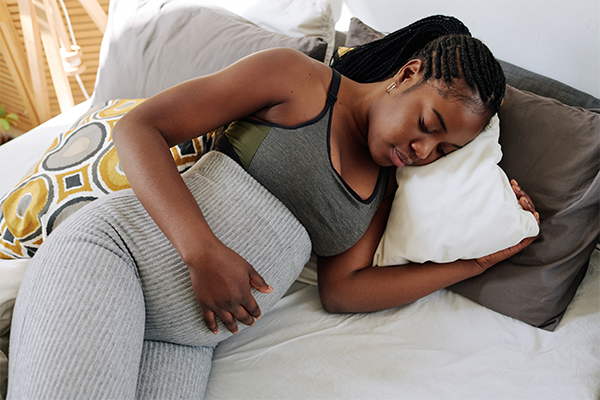
Experts recommend sleeping on your side while you’re pregnant, particularly from 28 weeks onwards.
Pregnancy is full of surprises – some wonderful, others… not so much. One of the more frustrating ones? Insomnia. Just when you need sleep the most, you may find yourself wide awake at 3am.1
If that sounds familiar, you’re not alone. Pregnancy insomnia is common, but it’s not something you have to just endure.1 To help us understand pregnancy insomnia and what might make sleep a little easier, we worked with Dr Maja Schaedel – a sleep disorder specialist and co-founder of The Good Sleep Clinic – who helped us understand why pregnancy can disrupt sleep and what may help.
What is pregnancy insomnia?
Pregnancy insomnia means struggling to fall asleep, stay asleep or get quality rest when you’re pregnant.2 While the symptoms may feel like any other sleepless night, pregnancy can bring its own sleep disruptors, with physical discomfort, hormonal changes and anxiety all teaming up to potentially disrupt your sleep.1
Research suggests that up to 76.3% of pregnant people experience sleep disturbances at some point during pregnancy.1 For some, it’s an occasional hassle – for others, a full night’s rest can feel out of reach.1 Unlike chronic insomnia which can last for months or years, pregnancy insomnia is often temporary and is likely to improve after birth.2 But understanding what could be disrupting your sleep – and what you can do about it – can make all the difference to your comfort and energy levels.
When does pregnancy insomnia start?
Pregnancy insomnia can start as early as the first trimester, likely due to hormonal fluctuations and rising progesterone levels.2 However, for many people, sleep becomes more disrupted during the second and third trimesters when physical discomfort, leg cramps, heartburn and baby movements ramp up.3,4 Third trimester insomnia can be particularly common. Your growing bump makes it tough to find a comfortable sleeping position, while frequent bathroom trips, baby kicks and even Braxton Hicks contractions can keep you awake. Add worries about your baby’s arrival into the mix and winding down may become even more difficult.5,6,7
What are the symptoms of pregnancy insomnia?
Unsure if it’s pregnancy insomnia you’re experiencing? Common symptoms include:2,8
difficulty falling asleep
waking up frequently during the night
more vivid dreams or nightmares than usual
waking up too early and struggling to fall back asleep
If you’re experiencing sleeplessness early in pregnancy, remember that sleep can change throughout pregnancy and everyone’s experience is different. Tracking your sleep, spotting patterns and building good sleep habits early can help you understand what’s disrupting your rest and find ways to manage it.9,10
What are the causes of insomnia during pregnancy?
If you’re having difficulty sleeping during pregnancy, several factors could be at play.
Hormonal shifts
Hormonal fluctuations during pregnancy, particularly changes in progesterone and oestrogen, may influence your sleep patterns.11 While progesterone can promote sleep and oestrogen may increase wakefulness, rapid hormonal shifts can disrupt your usual sleep patterns and make restful nights harder to come by.11
Increased need to urinate
Your kidneys work harder during pregnancy, filtering more blood and making you need to pee more frequently. This can mean frequent nighttime trips to the bathroom and disrupted sleep.12
Heartburn and indigestion
Pregnancy hormones relax the muscles in your digestive tract, which can lead to more acid reflux.15 Lying down may make symptoms worse, leaving you uncomfortable and unable to sleep soundly.
Stress and anxiety
Excitement, worry and the endless to-do list before your baby’s arrival can keep your mind racing at night. Research shows that poor sleep quality during pregnancy is linked to increased stress levels and this relationship may go both ways.16,17 Worrying about not getting enough sleep can add another layer of anxiety too, potentially making it even harder to relax at bedtime.9
What position should you sleep in while pregnant?
Getting comfortable in bed can feel like a nightly challenge, especially as your bump grows. Experts recommend sleeping on your side later in pregnancy, as lying on your back can affect circulation and may increase the risk of complications.18 Here are some other tips on how to comfortably sleep when you’re pregnant:10,18-21
use a pregnancy pillow: a full-body, wedge pillow or pregnancy pillow can provide extra support for your bump, back and knees. Don’t be afraid to experiment with different pillow placements to find the most comfortable position for you
prop up your upper body: if heartburn’s keeping you up, use extra pillows to elevate your torso and ease discomfort
try to avoid lying flat on your back: as your pregnancy progresses, lying flat on your back can put pressure on your spine and major blood vessels, particularly the inferior vena cava. This can cause dizziness, low blood pressure and decreased circulation, making it harder to sleep soundly
try elevating your legs: swollen ankles and feet can be a real discomfort at night. Prop up your legs slightly with a pillow to help reduce swelling
try different mattress toppers: if your bed feels too firm, a topper may help make it more comfortable
How to sleep better during pregnancy
A sleep routine can work wonders for improving rest. Here’s how to optimise your environment and habits.
Stick to a bedtime routine
A consistent bedtime routine helps tell your body that it’s time to wind down:22-25
go to bed and wake up at the same time every day, even on weekends
try relaxing activities before bed, such as reading, gentle stretching or a warm bath
try to avoid screens before bed, as blue light can interfere with your body’s melatonin production
Make your sleep environment comfortable
Making simple adjustments to your bedroom setup can improve comfort and help you fall asleep more easily:9,26
keep your bedroom cool, dark and quiet
if external light or noise is an issue, use blackout curtains and a white noise machine
invest in a supportive mattress and breathable bedding to stay comfortable
Adjust your diet and hydration
What you eat and drink before bed can impact sleep quality. Making mindful choices can help prevent discomfort and nighttime wakeups:19,27,28
avoid heavy meals, caffeine and spicy foods in the evening to help reduce heartburn and discomfort
stay hydrated throughout the day, but try to cut back on fluids closer to bedtime to minimise those nighttime bathroom trips
if hunger is keeping you awake, a small evening snack may help – speak to your midwife or healthcare professional if you need personalised dietary advice during pregnancy
Try relaxation techniques
If racing thoughts are keeping you up, relaxation techniques can help you unwind:30,31
practise deep breathing, meditation or prenatal yoga to calm your mind and body
listen to soothing music or guided sleep meditations to gently ease you into sleep
try progressive muscle relaxation to release tension and make it easier to drift off
Seek support
Sometimes better sleep starts with asking for a little support. If discomfort, anxiety or persistent insomnia is affecting you, don't feel you have to manage it alone:10,31
talk to your partner about ways they can help make you more comfortable
if anxiety is keeping you up, consider talking to a healthcare professional for reassurance or support
join a pregnancy support group where you can share experiences and gain advice from others going through the same journey
Can insomnia affect pregnancy?
Occasional sleep struggles are common. However, ongoing sleep deprivation can affect your mood and energy levels and has been associated with an increased risk of complications including high blood pressure.32 Poor sleep has also been associated with longer labour and greater perceived pain during labour.33 That doesn't mean a few bad nights are a reason to worry. But if insomnia is severe, persistent or affecting how you feel during the day, speak to your midwife or doctor for personalised advice.10
Pregnancy insomnia FAQs
Insomnia can happen early in pregnancy as your body adjusts to new hormonal changes.2 However, sleep problems have lots of possible causes, so insomnia alone doesn’t necessarily mean you’re pregnant.
Pregnancy insomnia can begin in the first trimester, although not everyone will experience it.2 For many people, sleep problems become more noticeable later in pregnancy as physical discomfort and other symptoms increase, with third trimester insomnia particularly common.3,4
Yes, trouble sleeping can happen during the first trimester. However, insomnia is most common later in pregnancy (especially third trimester insomnia). This may be caused by changing hormones, new symptoms and possible anxiety making it harder to settle down or stay asleep.2
The final say
Pregnancy insomnia can be frustrating, but small changes to your bedtime routine, sleep environment and daily habits may help make those restless nights a little easier.29 And remember, this phase won’t last forever – before you know it, you’ll be trading sleepless nights for newborn cuddles.
If your sleep issues are ongoing, severe or affecting your mood or how you feel during the day, speak to your doctor or midwife for extra support.10 You don’t have to figure out those sleepless nights alone. Still struggling to get comfortable? Try our tips for sleeping when you’re too hot or discover the pregnancy vitamins and supplements that’ll support you and your baby.
Disclaimer – This article provides informational advice and is not a substitute for medical care. Working with experts for accuracy, we take great care to ensure the information is up-to-date and relevant. However, you should always consult your GP or healthcare professional before using supplements or alternative products, particularly if you have medical conditions or are under supervision.
1 Wong PF, D’Cruz R, Hare A. Sleep disorders in pregnancy. Breathe [Internet]. 2022 [cited 2026 Sep 15]; 18(2). Available from: https://publications.ersnet.org/content/breathe/18/2/220004
2 Hashmi AM, Bhatia SK, Bhatia SK, Khawaja IS. Insomnia during pregnancy: Diagnosis and Rational Interventions. Pak J Med Sci [Internet]. 2016 Jul-Aug [cited 2026 Sep 15]; 32(4): 1030-37. Available from: https://pmc.ncbi.nlm.nih.gov/articles/PMC5017073/
3 Al-Musharaf S. Changes in Sleep Patterns during Pregnancy and Predictive Factors: A Longitudinal Study in Saudi Women. Nutrients [Internet]. 2022 June 24 [cited 2026 Sep 15]; 14(13): 2633. Available from: https://www.mdpi.com/2072-6643/14/13/2633
4 Office on Women’s Health (OASH). Body changes and discomforts [Internet]. OASH [reviewed 2025 Sep 26; cited 2026 Sep 15]. Available from: https://womenshealth.gov/pregnancy/youre-pregnant-now-what/body-changes-and-discomforts
5 Salari N et al. A systematic review and meta-analysis of prevalence of insomnia in the third trimester of pregnancy. BMC Pregnancy and Childbirth [Internet]. 2021 Apr 9 [cited 2026 Sep 15]; 21(284). Available from: https://link.springer.com/article/10.1186/s12884-021-03755-z
6 Mislu E et al. Sleep quality disparities in different pregnancy trimesters in low- and middle-income countries: a systematic review and meta-analysis. BMC Pregnancy and Childbirth [Internet]. 2024 Oct 1 [cited 2026 Sep 15]; 24(627). Available from: https://link.springer.com/article/10.1186/s12884-024-06830-3
7 Perkins A, Einion A. Pregnant pause: should we screen for sleep disordered breathing in pregnancy? Breathe (Sheff)[Internet]. 2019 Mar [cited 2026 Sep 15]; 15(1): 36-44. Available from: https://pmc.ncbi.nlm.nih.gov/articles/PMC6395990/
8 Bušková J et al. Parasomnias in Pregnancy [Internet]. 2023 Feb 17 [cited 2026 Sep 15]; 13(2): 357. Available from: https://www.mdpi.com/2076-3425/13/2/357
9 NHS Better Health. How to fall asleep faster and sleep better [Internet]. NHS Better Health [cited 2026 Sep 15]. Available from: https://www.nhs.uk/every-mind-matters/mental-wellbeing-tips/how-to-fall-asleep-faster-and-sleep-better/
10 NHS. Tiredness and sleep problems in pregnancy [Internet]. NHS [reviewed 2024 Mar 11; cited 2026 Sep 15]. Available from: https://www.nhs.uk/pregnancy/common-symptoms/tiredness/
11 Andersen ML, Hachul H, Ishikura IA, Tufik S. Sleep in women: a narrative review of hormonal influences, sex differences and health implications. 2023 Dec 19 [cited 2026 Sep 15]; 2. Available from: https://www.frontiersin.org/journals/sleep/articles/10.3389/frsle.2023.1271827/full
12 Cheung KL, Lafayette RA. Renal Physiology of Pregnancy. Adv Chronic Kidney Dis [Internet]. 2014 Jul 9 [cited 2026 Sep 15]; 20(3): 209-14. Available from: https://pmc.ncbi.nlm.nih.gov/articles/PMC4089195/
13 MedlinePlus. Aches and pains during pregnancy [Internet]. MedlinePlus [reviewed 2024 Nov 8; cited 2026 Sep 15]. Available from: https://www.medlineplus.gov/ency/patientinstructions/000580.htm
14 Wilson DL et al. Polysomnographic analysis of maternal sleep position and its relationship to pregnancy complications and sleep-disordered breathing. Sleep [Internet]. 2022 Apr [cited 2026 Sep 15]; 45(4). Available from: https://academic.oup.com/sleep/article/45/4/zsac032/6527683?login=false
15 Altuwaijri M. Evidence-based treatment recommendations for gastroesophageal reflux disease during pregnancy: A review. Ovid [Internet]. 2022 Sep 2 [cited 2026 Sep 15]; 101(35). Available from: https://www.ovid.com/jnls/md-journal/fulltext/10.1097/md.0000000000030487~evidence-based-treatment-recommendations-for
16 Gao M et al. Association of sleep quality during pregnancy with stress and depression: a prospective birth cohort study in China. BMC Pregnancy and Childbirth [Internet]. 2019 Nov 27 [cited 2026 Sep 15]; 19(444). Available from: https://link.springer.com/article/10.1186/s12884-019-2583-1
17 Reichner CA. Insomnia and sleep deficiency in pregnancy. Obstet Med [Internet]. 2015 Sep 21 [cited 2026 Sep 15]; 8(4): 168-71. Available from: https://pmc.ncbi.nlm.nih.gov/articles/PMC4935047/
18 National Library of Medicine (NIH). Maternal sleep position during pregnancy [Internet]. NIH [reviewed 2021 Aug; cited 2026 Sep 15]. Available from: https://www.ncbi.nlm.nih.gov/books/NBK573947/
19 NHS. Indigestion and heartburn in pregnancy [Internet]. NHS [reviewed 2023 Nov 14; cited 2026 Sep 15]. Available from: https://www.nhs.uk/pregnancy/common-symptoms/indigestion-and-heartburn/
20 Hughes EJ et al. The effect of maternal position on venous return for pregnant women during MRI. NMR in Biomedicine [Internet]. 2021 Jan 21 [cited 2026 Sep 15]; 34. Available from: https://analyticalsciencejournals.onlinelibrary.wiley.com/doi/10.1002/nbm.4475
21 NHS. Swollen ankles, feet and fingers in pregnancy [Internet]. NHS [reviewed 2024 Apr 19; cited 2026 Sep 15]. Available from: https://www.nhs.uk/pregnancy/common-symptoms/swollen-ankles-feet-and-fingers/
22 MedlinePlus. Healthy Sleep [Internet]. MedlinePlus [cited 2026 Sep 15]. Available from: https://www.medlineplus.gov/healthysleep.html
23 Tähkämö L, Partonen T, Pesonen AK. Systematic review of light exposure impact on human circadian rhythm. Chronobiology International [Internet]. 2019 [cited 2026 Sep 15]; 36(2). Available from: https://www.tandfonline.com/doi/full/10.1080/07420528.2018.1527773
24 Lillehei AS, Halcón LL, Savik K, Reis R. Effect of Inhaled Lavender and Sleep Hygiene on Self-Reported Sleep Issues: A Randomized Controlled Trial. J Altern Complement Med [Internet]. 2015 Jul 1 [cited 2026 Sep 15]; 21(7): 430-38. Available from: https://pmc.ncbi.nlm.nih.gov/articles/PMC4505755/
25 Kazemi A, Shojaei-Zarghani S, Eskandarzadeh P, Hashempur MH. Effects of chamomile (Matricaria chamomilla L.) on sleep: A systematic review and meta-analysis of clinical trials. Complement Ther Med [Internet]. 2024 Aug 4 [cited 2026 Sep 15]; 84: 103071. Available from: https://pubmed.ncbi.nlm.nih.gov/39106912/
26 NHS. Insomnia [Internet]. NHS [reviewed 2024 Mar 19; cited 2026 Sep 15]. Available from: https://www.nhs.uk/conditions/insomnia/
27 NHS. Common health problems in pregnancy [Internet]. NHS [reviewed 2024 Apr 22; cited 2026 Sep 15]. Available from: https://www.nhs.uk/pregnancy/common-symptoms/common-health-problems/
28 Loy SL et al. Chrononutrition during Pregnancy: A Review on Maternal Night-Time Eating. Nutrients [Internet]. 2020 Sep 10 [cited 2026 Sep 15]; 12(9): 2783. Available from: https://www.mdpi.com/2072-6643/12/9/2783
29 NHS Every Mind Matters. How can meditation help with sleep? [Internet]. NHS Every Mind Matters [cited 2026 Sep 15]. Available from: https://www.nhs.uk/every-mind-matters/mental-wellbeing-tips/how-to-fall-asleep-faster-and-sleep-better/how-can-meditation-help-with-sleep/
30 Azward H, Ramadhany S, Pelupessy N, Usman AN, Bara FT. Prenatal yoga exercise improves sleep quality in the third trimester of pregnant women. Gaceta Sanitaria [Internet]. 2021 [cited 2026 Sep 15]; 35(2). Available from: https://www.sciencedirect.com/science/article/pii/S0213911121002193?via%3Dihub
31 Liu S et al. Family Support Moderates the Relationship Between Pregnancy Stress, Depressive Symptoms, and Insomnia. Nature and Science of Sleep [Internet]. 2025 Feb 6 [cited 2026 Sep 15]; 17: 261-70. Available from: https://www.dovepress.com/family-support-moderates-the-relationship-between-pregnancy-stress-dep-peer-reviewed-fulltext-article-NSS
32 National Institute for Health and Care Excellence (NICE). Insomnia: What are the complications? [Internet]. NICE [reviewed 2026 Jun; cited 2026 Sep 15]. Available from: https://cks.nice.org.uk/topics/insomnia/background-information/complications/
33 Chang JJ, Pien GW, Duntley SP, Macones GA. Sleep Deprivation during Pregnancy and Maternal and Fetal Outcomes: Is There a Relationship? Sleep Med Rev [Internet]. 2009 Jul 21 [cited 2026 Sep 15]; 14(2): 107-14. Available from: https://pmc.ncbi.nlm.nih.gov/articles/PMC2824023/