20% off €45 or 15% off €35
 Track an order
 Manage account
 Buy It Again
 Favourites
 Rewards
 Find a store

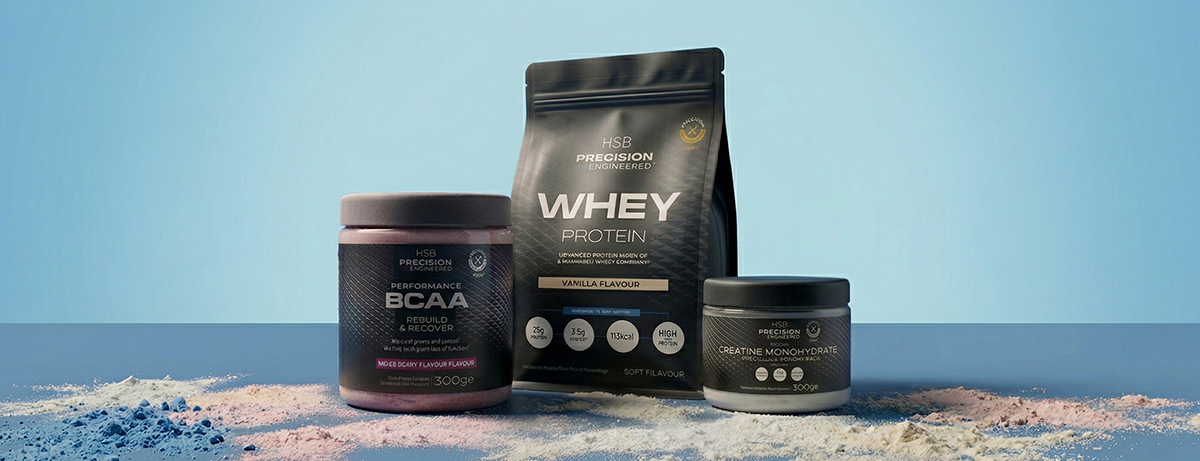
Firm up, bulk up and help your body to feel stronger. Check our favourite supplements to help you build muscle mass, such as protein, creatine and BCAAs
Our top picks
5g creatine monohydrate
Precision Engineered
Creatine Monohydrate Powder 210g
Buy 1 Get 1 Half Price
18+
€15.00
22g whey protein
Precision Engineered
Whey Protein Vanilla 900g
€33.00
2.5g L-leucine per serving
Precision Engineered
Performance BCAA Apple & Blackcurrant 300g
Buy 1 Get 1 Half Price
€26.00
You've been hitting the gym and you want to build muscle – and now you're wondering if supplements can help? Whether you’re using longer, lighter days to be active outside or dodging the rain and pounding that treadmill, here’s how to build muscle through diet and exercise and where supplements may play a supporting role.
What is muscle building and can supplements help?
Muscle building is also known as hypertrophy, which refers to an increase in the size of muscle cells.1 While it’s often associated with strength, it can also influence body composition and overall metabolic health. Some forms of strength training may also support bone health.2 There are a variety of methods you can use to help you build muscle, including eating a healthy diet with the right nutrients and sometimes taking supplements where appropriate.
Can supplements help with muscle growth?
Diet and exercise do most of the heavy lifting when it comes to building muscle. Some supplements can give you a bit of extra support, but they’re not a must-have. You don’t have to be a bodybuilder to use them either – lots of people include supplements as part of their regular fitness routine. That said, they’re not for everyone, so it’s always worth thinking about what works best for you and checking in with a professional if you’re unsure.
As we already know, protein is essential for muscle repair and growth. Most people can meet their protein needs through diet alone. However, those with higher training demands may require greater protein intakes, which some people choose to support with supplements such as protein powders.4 Many people choose whey protein, which is derived from milk. Research indicates that it contains all nine of the essential amino acids needed to build muscle and is extremely versatile. It can be mixed into shakes, smoothies, juices and even porridge.5,6
Creatine is a well-known and popular choice among people looking support their workout routine.7 It’s naturally found in muscle cells, and its role is thought to help your muscles produce energy during heavy lifting or high-intensity exercise.8 This may help support performance during high-intensity or repeated bouts of exercise.7 Creatine comes in tablet or powder form, which can be mixed into shakes or smoothies – discover more about the different types of creatine and see which one suits you best.
A study has found that collagen supplements may help increase fat-free mass and strength when taken following resistance exercise training. However, higher-quality studies need to be conducted.9,10
Branched-chain amino acids, or BCAAs, are three essential amino acids (leucine, isoleucine and valine) that are believed to be particularly important for muscle growth and muscle protein synthesis.11 However, if overall protein intake is sufficient, additional BCAA supplementation may offer limited extra benefit.12
Casein is very similar to whey protein, but it’s a slow-digesting protein, which may help provide a more sustained release of amino acids over time, such as overnight.13 Casein comes in powder form and can be added to things like shakes, smoothies and even ice cream. Current research suggests it can be particularly helpful for muscle recovery when taken before bed. 13
Weight or mass gainers are generally used by people who are slim and want to ‘bulk up’ or those who simply want to build a lot of muscle very quickly. As their name suggests, they can help you to gain weight, with research suggesting they can be very high in carbohydrates and calories.14 For this reason, it’s important to be cautious when looking at using these products as a way to increase your muscle mass.
Supplements for building muscle
There are a variety of different supplements that you can take for muscle building, and each works in a slightly different way. Some common supplements are protein, creatine and collagen. In addition to this, some people choose to take additional supplements, such as branched-chain amino acids (BCAAs), casein and weight gainers.
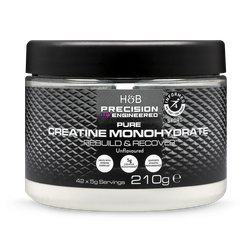
Looking to get more from your workouts? Our unflavoured Creatine Monohydrate Powder delivers 5g of pure creatine to help enhance performance during short, intense bursts of exercise and support muscle recovery and energy metabolism. Most people only reach about 60–80% of their muscles’ natural creatine15 levels through diet alone, so topping up with this supplement can help you push harder and train smarter. Science-backed and precision engineered, every batch is Informed Sport certified, tested for banned substances and trusted by athletes. Simply mix a scoop with water or your favourite shake daily, before or after training, and combine with high-intensity exercise and a balanced diet to get the most from your sessions.
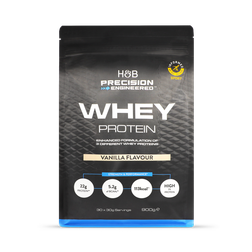
This premium powder designed to support muscle growth, recovery and maintenance. Each serving delivers 22g of high-quality whey protein, including three types – hydrolysate, concentrate, and isolate – packed with 4.8g of BCAAs like L-leucine, L-isoleucine and L-valine to help support and build muscle after intense training. Low in calories and easy to digest, it’s vegetarian-quality-approved and versatile enough to mix with milk, water or yogurt, or to boost smoothies, shakes and even baking recipes.
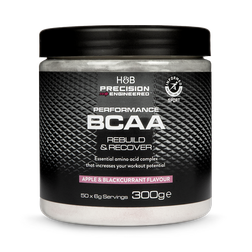
Packed with essential branched-chain amino acids – 2.5g L-leucine, 1.3g L-valine, and 1.3g L-isoleucine per serving – this expert-formulated blend supports muscle structure, recovery and overall wellbeing. BCAAs can’t be made by the body, so topping up is key for anyone training hard. Enjoy it pre- or post-workout mixed with water, knowing every batch is Informed Sport accredited for athletes.
How can diet help with muscle growth?
There are two core elements to building muscle – nutrition and physical activity.16 A balanced diet with healthy protein and carb sources is a must when it comes to muscle growth, while your body uses protein to repair and grow muscle tissue damaged during exercise.4
Getting enough protein is important for muscle repair and may support longer-term muscle growth.4,17 Some people follow strategies such as ‘protein timing’, which involves consuming protein around training sessions. While this may be beneficial in some cases, overall daily protein intake appears to be the most important factor.18
So, it can be said that eating foods high in protein is key if you want to ensure good muscle recovery after exercise, or if you’re looking to build muscle for strength, appearance or both. You can get protein from both animal and plant sources, meaning that no matter what diet you choose, you can still increase your muscle mass either way.4,19
Some good sources of protein can include: 4,19
- lean cuts of meat and lean mince
- eggs
- pulses, like lentils, beans and chickpeas
- fish (you should aim to eat at least one portion of oily fish, such as sardines, salmon or mackerel, every week)
- nuts and seeds (including nut and seed butters)
- milk, cheese and yoghurt
- alternative dairy products
- tofu and tempeh
Some people also choose to boost their protein intake by using specific protein products, such as shakes made with protein powders or protein bars.
Which exercise should I do for muscle growth?
When it comes to boosting muscle growth, what you eat is only part of the equation. You should also dedicate some time to muscle-building exercises. There are specific exercise types which are particularly effective if you’re looking to grow your muscle mass, and the most common is strength training.20,21
Strength training refers to any activity that makes your muscles work harder than they would normally. Strength training activities are usually focused on using your own body weight, or working against resistance, to really get your muscles working.2
Some examples include:22
- lifting weights
- using resistance bands
- climbing stairs
- walking uphill
- cycling
- bodyweight exercises, like push-ups, squats, sit-ups and burpees
- yoga (which is low impact)
Muscle-building FAQs
The NHS suggests a beginner looking to build muscle should do strength exercises at least two days per week, working all major muscle groups. Start with bodyweight moves like squats, push-ups, lunges and sit-ups, performing two–three sets of eight–12 repetitions.22 You can also use light dumbbells or resistance bands to gradually increase tension and each session should begin with a short warm-up. Including flexibility or stretching exercises a couple of times a week helps recovery and muscle performance. 22
According to the British Heart Foundation, beginners trying to build muscle don’t need extremely high protein amounts to see progress – most people in the UK already eat enough protein without trying to eat extra.23 The general recommendation is about 0.75 g of protein per kilogram of body weight per day (you can check out how much you need with our protein calculator) and eating regular meals with good protein sources throughout the day should be enough to support muscle growth when combined with exercise. 23 Eating protein after resistance exercise (like lifting weights or body‑weight workouts) can help with repair and growth, but you don’t need to overthink timing – just include protein‑rich foods in your normal meals. 23 Remember, good things take time and while you may want a 'fast' solution, a balanced diet including protein can be helpful.
Rest and recovery are very important for beginners who want to build muscle – your muscles don’t actually grow during the workout itself; they grow afterwards when your body has time to repair the tiny damage caused by training.24 Without enough recovery, fatigue can build up, performance can lag and you may even be more prone to injury or burnout. Giving yourself enough rest between hard sessions, listening to your body and planning your training so you don’t train the same muscles hard on back‑to‑back days helps you stay consistent and build strength more effectively. 24
The final say
Building and maintaining muscle can make you stronger and support changes in your physical shape at every stage of life – from your 20s, 30s, and 40s through to your 50s, 60s and beyond. By combining a balanced diet, effective training and thoughtful recovery strategies, you can support muscle growth and stay consistent over time.
While food and exercise form the foundation, the right supplements may offer additional support – helping you build, recover and see the benefits sooner than you might expect. Need a hand to choose? Talk to one of our Wellness Champions in store or online.
Disclaimer – This article provides informational advice and is not a substitute for medical care. Curated by experts for accuracy, we take great care to ensure the information is up-to-date and relevant. However, you should always consult your GP or healthcare professional before using supplements or alternative products, particularly if you have medical conditions or are under supervision.
1. Barakat C, et al. Body recomposition: Can trained individuals build muscle and lose fat at the same time? Strength Cond J. 2020;42(5):7. https://doi.org/10.1519/SSC.0000000000000584
2. Hong AR and Kim SW. Effects of resistance exercise on bone health. Endocrinol Metab. 2018;33(4):435–44. https://doi.org/10.3803/EnM.2018.33.4.4353. Pasiakos SM, McLellan TM, Lieberman HR. The Effects of Protein Supplements on Muscle Mass, Strength, and Aerobic and Anaerobic Power in Healthy Adults: A Systematic Review. Sports medicine [Internet]. 2014 Aug 29 [cited 2024 Jul 17];45(1):111–31. Available from: https://link.springer.com/article/10.1007/s40279-014-0242-2
4. British Heart Foundation: Protein and Exercise [Internet]. [cited 2024 Apr 17]. Available from: https://www.bhf.org.uk/how-you-can-help/events/training-zone/nutrition-for-sporting-events/protein-and-exercise
5. Davoodi SH, Shahbazi R, Esmaeili S, Sohrabvandi S, Mortazavian A, Jazayeri S, et al. Health-Related Aspects of Milk Proteins. Iranian journal of pharmaceutical research: IJPR [Internet]. 2016 [cited 2024 Jul 17];15(3):573–91. Available from: https://www.ncbi.nlm.nih.gov/pmc/articles/PMC5149046/
6. Jackman SR, Witard OC, Philp A, Wallis GA, Baar K, Tipton KD. Branched-Chain Amino Acid Ingestion Stimulates Muscle Myofibrillar Protein Synthesis following Resistance Exercise in Humans. Frontiers in physiology [Internet]. 2017 Jun 7 [cited 2024 Jul 17];8. Available from: https://www.ncbi.nlm.nih.gov/pmc/articles/PMC5461297/
7. Hall M, Manetta E, Tupper K. Creatine Supplementation: An Update. Current sports medicine reports [Internet]. 2021 Jul 1 [cited 2024 Jul 17];20(7):338–44. Available from: https://journals.lww.com/acsm-csmr/fulltext/2021/07000/creatine_supplementation__an_update.3.aspx
8. Wu S-H, et al. Creatine supplementation for muscle growth: A scoping review of randomized clinical trials from 2012 to 2021. Nutrients. 2022;14(6):1255. https://doi.org/10.3390/nu14061255
9. Oertzen-Hagemann V, et al. Effects of 12 weeks of hypertrophy resistance exercise training combined with collagen peptide supplementation on the skeletal muscle proteome in recreationally active men. Nutrients. 2019;11(5):1072. https://doi.org/10.3390/nu11051072
10. Holwerda AM, Loon van. The impact of collagen protein ingestion on musculoskeletal connective tissue remodeling: a narrative review. Nutrition reviews [Internet]. 2022 May 4 [cited 2024 Jul 17];80(6):1497–514. Available from: https://academic.oup.com/nutritionreviews/article/80/6/1497/6380930
11. Holeček M. Branched-chain amino acids in health and disease: metabolism, alterations in blood plasma, and as supplements. Nutrition & metabolism [Internet]. 2018 May 3 [cited 2024 Jul 17];15(1). Available from: https://nutritionandmetabolism.biomedcentral.com/articles/10.1186/s12986-018-0271-1
12. Wolfe R R. Branched-chain amino acids and muscle protein synthesis in humans: Myth or reality? J Int Soc Sports Nutr. 2017;14:30. https://doi.org/10.1186/s12970-017-0184-9
13. Kim J. Pre-sleep casein protein ingestion: New paradigm in post-exercise recovery nutrition. Phys Act Nutr. 2020;24(2):6–10. https://doi.org/10.20463/pan.2020.0009
14. Leaf A, Antonio J. The effects of overfeeding on body composition: The role of macronutrient composition – A narrative review. Int J Exerc Sci. 2017;10(8):1275–96. https://www.ncbi.nlm.nih.gov/pmc/articles/PMC5786199/
15. Kreider RB, Kalman DS, Antonio J, Ziegenfuss TN, Wildman R, Collins R, et al. International Society of Sports Nutrition position stand: safety and efficacy of creatine supplementation in exercise, sport, and medicine. Journal of the International Society of Sports Nutrition [Internet]. 2017 Jun 13;14(1). Available from: https://pubmed.ncbi.nlm.nih.gov/28615996/
16. None Krzysztofik, Wilk N, None Wojdała, None Gołaś. Maximizing Muscle Hypertrophy: A Systematic Review of Advanced Resistance Training Techniques and Methods. International journal of environmental research and public health/International journal of environmental research and public health [Internet]. 2019 Dec 4 [cited 2024 Jul 16];16(24):4897–7. Available from: https://www.ncbi.nlm.nih.gov/pmc/articles/PMC6950543/
17. Stephan van Vliet, Beals J, Martinez I, Skinner S, Burd N. Achieving Optimal Post-Exercise Muscle Protein Remodeling in Physically Active Adults through Whole Food Consumption. Nutrients [Internet]. 2018 Feb 16 [cited 2024 Jul 17];10(2):224–4. Available from: https://www.ncbi.nlm.nih.gov/pmc/articles/PMC5852800/
18. Schoenfeld BJ, et al. The effect of protein timing on muscle strength and hypertrophy: A meta-analysis. J Int Soc Sports Nutr. 2013;10(1):53. https://doi.org/10.1186/1550-2783-10-53
19. NHS: The Eatwell Guide [Internet]. [cited 2024 Apr 17]. Available from: https://www.nhs.uk/live-well/eat-well/food-guidelines-and-food-labels/the-eatwell-guide/
20. NIH. How can strength training build healthier bodies as we age? [Internet]. National Institute on Aging. 2022 [cited 2024 Jul 17]. Available from: https://www.nia.nih.gov/news/how-can-strength-training-build-healthier-bodies-we-age
21. Hughes DC, Ellefsen S, Baar K. Adaptations to Endurance and Strength Training. Cold Spring Harbor perspectives in medicine [Internet]. 2017 May 10 [cited 2024 Jul 17];8(6):a029769–9. Available from: https://www.ncbi.nlm.nih.gov/pmc/articles/PMC5983157/
22. NHS: How to improve your strength and flexibility [Internet]. [cited 2024 Apr 18]. Available from: https://www.nhs.uk/live-well/exercise/how-to-improve-strength-flexibility/
23. How much protein do I need to gain muscle? [Internet]. www.bhf.org.uk. Available from: https://www.bhf.org.uk/informationsupport/heart-matters-magazine/nutrition/ask-the-expert/how-much-protein-should-i-eat-to-gain-muscle
24. Sousa CA, Zourdos MC, Storey AG, Helms ER. The Importance of Recovery in Resistance Training Microcycle Construction. Journal of Human Kinetics [Internet]. 2024 Apr 15;91:205–23. Available from: https://www.ncbi.nlm.nih.gov/pmc/articles/PMC11057610/
Related to this article