20% off €45 or 15% off €35
 Track an order
 Manage account
 Buy It Again
 Favourites
 Rewards
 Find a store
Is caffeine bad for you? The truth behind your coffee fix

Written byH&B editorial team

Reviewed byHeeral Tomlinson
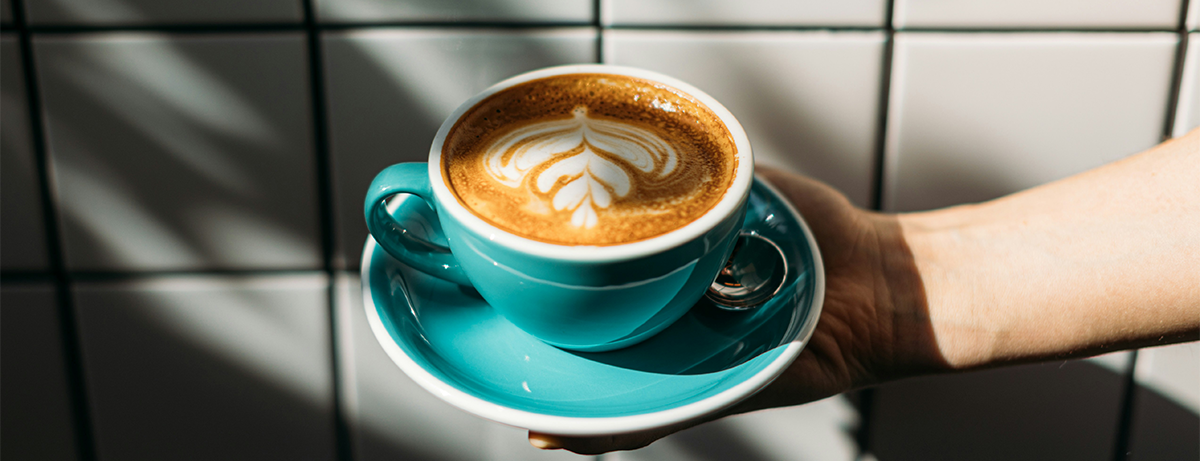
A cup of coffee, a mug of tea or an energy drink, getting your caffeine fix has never been easier – but how does this stimulant affect you and your body?
Summary
1How does caffeine work?
Caffeine works mainly by blocking a natural chemical in your body called adenosine. Adenosine is the substance that controls feelings of tiredness.
2How much caffeine is too much?
A general guideline is to stick to around 400 milligrams per day and to have it earlier in the day to help prevent it interrupting your sleep.
3Tips for healthy caffeine consumption
It’s not all bad news – most people can safely enjoy their morning brew or an ice-cold cola. Here’s how to keep things feeling fun.
Can’t start your day until you’ve had your cup of coffee? Or maybe you rely on a post-lunch energy drink. We get it. Caffeine is a daily essential for many of us, but beyond the initial buzz it gives, what do you really know about it? Here, we’re spilling the beans on all things caffeine, including how it works, how it affects you and some easy tips to manage your consumption.
What is caffeine?
Caffeine is the world’s most popular psychoactive substance.1 Yep, you read that right, but don’t be alarmed. It’s a naturally occurring chemical compound found in the fruit, leaves and beans of certain plants like coffee beans, tea leaves, cacao beans (the base for chocolate), guarana, yerba mate and kola nuts.2 In our day-to-day lives, it can be found in all sorts of drinks and food items, including coffee and tea, fizzy drinks, energy drinks and chocolate.2 It can also be found in energy supplements and some medications such as cold and flu remedies.2
How does caffeine work?
Caffeine works mainly by blocking a natural chemical in your body called adenosine. Adenosine is the substance that controls feelings of tiredness and it builds up in your central nervous system throughout the day, leaving you feeling tired and helping you fall asleep at night.3 But when you consume something that has caffeine in it, it’s absorbed into the bloodstream and acts on the brain.3,4 The caffeine then blocks adenosine from doing its job by binding to adenosine receptors in the brain.5 If less adenosine can bind to these receptors, your brain doesn’t get the ‘tired’ signal as strongly, often leaving you feeling a bit more alert, focused and awake.

The good and the bad: the effects of caffeine on the body
From your mind to your workouts, the potential benefits of your daily cup of joe are vast. But, while a coffee or energy drink might be a much-needed part of your morning routine, it’s also worth understanding the potential downsides of too much caffeine, especially if you’re sensitive to its effects. Ongoing research continues to explore the potential benefits of caffeine.
The potential benefits of caffeine
Does caffeine really get your brain going? Or is it all about the energy? Find out more below...
- alertness and focus: caffeine’s most well-known effect is on alertness. It can help increase alertness and improve concentration, particularly when you’re feeling tired 5
- cognitive function: beyond alertness, some research suggests caffeine may influence certain aspects of cognitive performance. However, findings are mixed, and effects on things like memory are less consistent and may depend on factors such as timing and dose6
- physical performance: for those who exercise regularly or enjoy staying active, caffeine may support aspects of physical performance. Research suggests it can help reduce perceived effort during exercise and may benefit endurance, although responses can vary between individuals3
Are there any side effects of caffeine?
Does our beloved brew have side effects? Not everyone experiences them the same way, but there are a few potential unwanted effects if you’ve had one coffee too many...
- sleep disruption: caffeine can linger in your system for hours, meaning that even if you have it in the afternoon, it might still interfere with your sleep patterns later that night 7,8
- the jitters: too much caffeine can be overstimulating, leading to feelings of nervousness, restlessness and even heightened anxiety.9,10 People can metabolise caffeine differently, so monitor how you feel with a regular cup and you can adjust your intake accordingly
- increased heart rate and blood pressure: caffeine can cause a temporary elevation in your heart rate and blood pressure – it’s usually mild and fleeting, but it's more noticeable for those who are sensitive or have existing heart conditions 11
- tummy troubles: your stomach might not always appreciate caffeine and it can potentially lead to stomach upset, acid reflux or an increase in bowel movements 12
- extreme amounts of caffeine: very high intakes can be harmful (though this is rare), so it’s important to consume in moderation 13
How much caffeine is too much?
When it comes to caffeine, moderation is key. A general guideline is to stick to around 400 milligrams per day and to have it earlier in the day to help prevent it from interrupting your sleep.14 But how much caffeine is in coffee? And what about other drinks or foods containing caffeine? While each product will vary in its caffeine strength, here’s a quick guide to help you keep track:15
- mug of instant coffee – 100mg
- mug of filter coffee – 140mg
- a shot of espresso – 80mg
- 250ml mug of tea – 75mg
- can of cola – 40mg
- can of energy drink – 80mg
- 50g of plain dark chocolate – less than 25mg
- 50g of plain milk chocolate – less than 10mg
Keep in mind too that although ‘decaffeinated’ versions of most drinks are available, most may still contain small amounts of caffeine. This is because the decaffeination process does not remove 100% of the caffeine and trace amounts can remain.16 Plus, everyone reacts differently to caffeine – whether it’s thanks to genetics, how fast your body can break it down or other individual factors.
Who should avoid caffeine?
Caffeine is safe for most adults to have in moderation, but there are exceptions. If you’re pregnant or breastfeeding, it’s advised by the NHS that you limit your caffeine intake to a maximum of 200mg a day as regularly drinking more than this may increase your risk of pregnancy complications.17 If you’re worried about how caffeine may interact with any medications or affect a medical condition, we recommend speaking to your GP for personalised advice.
6 tips for healthy caffeine consumption
It’s not all bad news – most people can safely enjoy their morning brew or an ice-cold cola. Here’s how to keep things feeling fun:
- timing is key: try to avoid caffeinated drinks at least six hours before you plan to go to sleep (or longer for some individuals) to help avoid a restless night 9
- water intake: for every cup of tea or coffee, try to drink a glass of water to stay hydrated
- listen to your body: caffeine affects everyone differently, so pay attention to how it makes you feel
- gradual reduction: if you’re looking to cut back, do so gradually to help prevent any withdrawal symptoms
- combine with healthy habits: caffeine is no substitute for good sleep, a balanced diet and regular exercise go for decaf: craving the taste of coffee in the afternoon, but don’t want the caffeine buzz? Switch it up and try decaf
Caffeine FAQs
There aren’t any approved claims to say that caffeine improves exercise performance, but emerging research suggests it may support certain aspects of physical performance – particularly endurance and perceived effort during exercise.18,19 Evidence for improvements in anaerobic performance is less consistent.
There’s some evidence that caffeine may affect how the body regulates its temperature, so it’s worth bearing in mind if you plan on being in very hot weather or doing rigorous exercise when it’s warm.20,21,22 Even so, most people can enjoy their usual safe caffeine intake without additional risks – especially if they’re hydrating with water in between. But if you’d rather stay away from caffeine, stick to decaf options, herbal teas or rehydration drinks.
Caffeine is broken down mainly in the liver and can remain in the blood anywhere between 1.5 and 9.5 hours, depending on individual factors. For example, things like smoking can speed up how quickly it’s broken down, while pregnancy may slow it down.23
The final say
Whether you love a coffee in the morning or rely on energy drinks to get you through your night shift, remember that moderation is key. Aim to have no more than 400mg a day and we’re sure you’ll be able to keep your caffeine habit an enjoyable one.24 Looking to add a little pep in your step? Check out our guide to avoiding an afternoon energy slump or discover some surprising causes of low energy and find ways to keep those unwanted yawns at bay.
Disclaimer – This article provides informational advice and is not a substitute for medical care. Working with experts for accuracy, we take great care to ensure the information is up-to-date and relevant. However, you should always consult your GP or healthcare professional before using supplements or alternative products, particularly if you have medical conditions or are under supervision.
1. Evans J, Richards JR, Battisti AS. Caffeine [Internet]. Nih.gov. StatPearls Publishing; 2024 [cited 2025 Jul 17]. Available from: https://www.ncbi.nlm.nih.gov/books/NBK519490/
2. Caffeine [Internet]. Nih.gov. International Agency for Research on Cancer; 2025 [cited 2025 Jul 22]. Available from: https://www.ncbi.nlm.nih.gov/books/NBK507027/
3. Guest NS, VanDusseldorp TA, Nelson MT, Grgic J, Schoenfeld BJ, Nathaniel, et al. International society of sports nutrition position stand: caffeine and exercise performance. Journal of the International Society of Sports Nutrition [Internet]. 2021 Jan 2 [cited 2025 Jul 22];18(1). Available from: https://pubmed.ncbi.nlm.nih.gov/33388079/
4. Janisa Andrea Muljadi, Patsorn Kaewphongsri, Kornkit Chaijenkij, Jatupon Kongtharvonskul. Effect of caffeine on delayed-onset muscle soreness: a meta-analysis of RCT. Bulletin of the National Research Centre/Bulletin of the National Research Center [Internet]. 2021 Nov 18 [cited 2025 Jul 22];45(1). Available from: https://bnrc.springeropen.com/articles/10.1186/s42269-021-00660-5/
5. McLellan TM, Caldwell JA, Lieberman HR. A review of caffeine’s effects on cognitive, physical and occupational performance. Neuroscience & Biobehavioral Reviews [Internet]. 2016 Dec [cited 2025 Jul 22];71:294–312. Available from: https://www.sciencedirect.com/science/article/pii/S0149763416300690?via%3Dihub
6. Borota D, Murray E, Keceli G, Chang A, Watabe JM, Ly M, et al. Post-study caffeine administration enhances memory consolidation in humans. Nature Neuroscience [Internet]. 2014 Jan 12 [cited 2025 Aug 11];17(2):201–3. Available from: https://pmc.ncbi.nlm.nih.gov/articles/PMC5909971/
7. Gardiner C, Weakley J, Burke LM, Roach GD, Sargent C, Maniar N, et al. The effect of caffeine on subsequent sleep: A systematic review and meta-analysis. Sleep Medicine Reviews [Internet]. 2023 Feb 6 [cited 2025 Jul 22];69:101764–4. Available from: https://pubmed.ncbi.nlm.nih.gov/36870101/
8. Drake C, Roehrs T, Shambroom J, Roth T. Caffeine Effects on Sleep Taken 0, 3, or 6 Hours before Going to Bed. Journal of Clinical Sleep Medicine [Internet]. 2013 Nov 15 [cited 2025 Jul 22];09(11):1195–200. Available from: https://jcsm.aasm.org/doi/10.5664/jcsm.3170
9. Liu C, Wang L, Zhang C, Hu Z, Tang J, Xue J, et al. Caffeine intake and anxiety: a meta-analysis. Frontiers in Psychology [Internet]. 2024 Feb 1 [cited 2025 Jul 22];15. Available from: https://pmc.ncbi.nlm.nih.gov/articles/PMC10867825/
10. Klevebrant L, Frick A. Effects of caffeine on anxiety and panic attacks in patients with panic disorder: A systematic review and meta-analysis. General Hospital Psychiatry [Internet]. 2021 Dec 2 [cited 2025 Jul 22];74:22–31. Available from: https://pubmed.ncbi.nlm.nih.gov/34871964/
11. British Heart Foundation. How much caffeine [Internet]. British Heart Foundation. 2025 [cited 2025 Jul 22]. Available from: https://www.bhf.org.uk/informationsupport/heart-matters-magazine/nutrition/ask-the-expert/how-much-caffeine
12. Nehlig A. Effects of Coffee on the Gastro-Intestinal Tract: A Narrative Review and Literature Update. Nutrients [Internet]. 2022 Jan 17 [cited 2025 Jul 22];14(2):399. Available from: https://pmc.ncbi.nlm.nih.gov/articles/PMC8778943/
13. Murray A, Traylor J. Caffeine Toxicity [Internet]. Nih.gov. StatPearls Publishing; 2025 [cited 2025 Jul 22]. Available from: https://www.ncbi.nlm.nih.gov/books/NBK532910/
14. Caffeine [Internet]. European Food Safety Authority. 2015 [cited 2025 Jul 22]. Available from: https://www.efsa.europa.eu/en/topics/topic/caffeine
15. Spilling the Beans: How Much Caffeine is Too Much? [Internet]. U.S. Food and Drug Administration. 2024 [cited 2025 Jul 22]. Available from: https://www.fda.gov/consumers/consumer-updates/spilling-beans-how-much-caffeine-too-much?/
16. NHS. High blood pressure [Internet]. nhs.uk. 2024 [cited 2025 Jul 22]. Available from: https://www.nhs.uk/conditions/high-blood-pressure/
17. NHS. Foods to avoid in pregnancy [Internet]. nhs.uk. 2020 [cited 2025 Jul 22]. Available from: https://www.nhs.uk/pregnancy/keeping-well/foods-to-avoid/
18. Grgic J et al. Wake up and smell the coffee: caffeine supplementation and exercise performance—an umbrella review of 21 published meta-analyses. British Journal of Sports Medicine [Internet]. 2020 Jun [cited 2026 May 8]; 54(11). Available from: https://bjsm.bmj.com/content/54/11/681.long
19. Glaister M, Gissane C. Caffeine and Physiological Responses to Submaximal Exercise: A Meta-Analysis. Human Kinetics Journals [Internet]. 2018 Apr [cited 2026 May 8] 13(4): 402-11. Available from: https://journals.humankinetics.com/view/journals/ijspp/13/4/article-p402.xml
20. Specht JW et al. Caffeine Increases Core Temperature without Altering Markers of Kidney or Gut Injury after Physical Work in the Heat in Caffeine-Habituated Adults. Med Sci Sports Exerc [Internet]. 2026 Mar 3 [cited 2026 May 8]. Available from: https://pubmed.ncbi.nlm.nih.gov/41774477/
21. Li H et al. The Effects of Caffeine on Exercise in Hot Environments: A Bibliometric Study. Nutrients [Internet]. 2024 Oct 30 [cited 2026 May 8]; 16(21): 3692. Available from: https://pmc.ncbi.nlm.nih.gov/articles/PMC11547974/
22. John K et al. Caffeine ingestion compromises thermoregulation and does not improve cycling time to exhaustion in the heat amongst males. Eur J Appl Physiol [Internet]. 2024 Apr 3 [cited 2026 May 8]; 124(8): 2489-2502. Available from: https://pmc.ncbi.nlm.nih.gov/articles/PMC11322244/
23. Institute of Medicine (US) Committee on Military Nutrition Research. Caffeine for the Sustainment of Mental Task Performance: Formulations for Military Operations. Washington (DC): National Academies Press (US); 2001. 2, Pharmacology of Caffeine. Available from: https://www.ncbi.nlm.nih.gov/books/NBK223808/
24. James JE. Maternal caffeine consumption and pregnancy outcomes: a narrative review with implications for advice to mothers and mothers-to-be. BMJ evidence-based medicine [Internet]. 2020 Aug 25 [cited 2025 Jul 22];26(3):114–5. Available from: https://ebm.bmj.com/content/26/3/114
Related to this article