20% off €45 or 15% off €35
What to eat and drink while intermittent fasting

Written byH&B editorial team

Reviewed byMadalena Vieira Costa

Is intermittent fasting safe? Could it help you lose weight? And what can you actually drink? Get the answers... well, fast
Our top picks
Crisp citrus flavour
Holland & Barrett
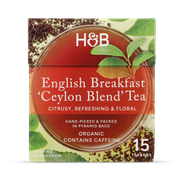
Holland & Barrett English Breakfast Tea 15 Tea Bags
Save up to 1/2 Price
€2.91
€4.49
Medium roasted
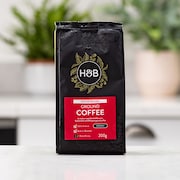
Holland & Barrett
Holland & Barrett House Blend Ground Coffee 200g
€6.49
High in protein
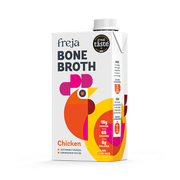
Freja
Freja Sipping Bone Broth Classic Chicken 500ml
€8.99
Intermittent fasting is one of the most popular dietary trends of the moment. With fewer rules than other nutrition plans and a simple structure, it’s easy to see why it might appeal. Whether you follow the 5:2 plan or prefer 16:8, the idea is to eat normally followed by a period of fasting (not eating). Simple, right?
What’s less simple is whether intermittent fasting is right for you, plus what it actually includes. What breaks a fast? And is your morning coffee off the cards? With insight from H&B nutritionist Madalena Vieira Costa, we’ll go through it all...
What is intermittent fasting?
In short, intermittent fasting involves only eating during certain windows of time. You fast during certain hours and then eat normally for the rest of the time. There’s not one official way to fast, but some popular methods include:
- the 5:2 diet: five days of eating normally in the week, with two days of restricted calorie intake (usually 20-25% of your recommended daily calories)1
- the 16:8 plan: this involves eating during an eight-hour window each day and fasting for the remaining 16. For example, you might only eat between the hours of 10am and 6pm
- a 24-hour fast: this involves fasting for a period of 24 hours at a time, usually about once a week
People usually follow intermittent fasting with the intention of losing weight but evidence is mixed as to whether this is an effective long-term approach.1 Longer fasting periods may encourage the body to rely more on stored fat (rather than glucose) for energy and in some cases may lead to mild ketosis.2 For some people, intermittent fasting may reduce overall calorie intake, which can contribute to weight loss.
What can you drink while fasting?
OK, you can’t eat... but surely you can drink? The answer is yes, as long as you stick to calorie-free drinks. To be clear, we’re talking about intermittent fasting here – not fasting for medical, religious or other reasons. Different fasts have different rules, but the general consensus is that you can drink non-alcoholic and low- or no-calorie drinks like black tea alongside water. This is because they're unlikely to trigger a significant metabolic or insulin response. Sparkling water, cucumber water and lemon water are generally considered fine, as are small amounts of low-calorie bone broth.
Technically, ‘zero’, ‘diet’ or no-calorie sodas won’t break your fast, as they don’t contain sugar to spike your insulin and shouldn’t activate your metabolic response. However, their artificial sweeteners may trigger insulin responses in some people or affect digestion in other ways – so, it’s up to you but it’s generally recommended to steer clear.

Holland & Barrett
€4.49
€2.91
€0.19/1 Sachet
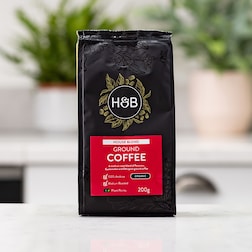
Holland & Barrett
€6.49
€3.25/100 g
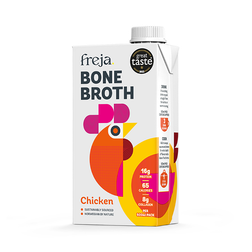
Freja
€8.99
€1.80/100 ml
Is intermittent fasting recommended?
Intermittent fasting isn’t routinely recommended by organisations such as the NHS as a preferred approach for weight management, although some healthcare organisations recognise it as one possible dietary strategy for certain people. According to the British Heart Foundation, it’s likely more sustainable to focus on eating a balanced diet every day, such as the Mediterranean diet which focuses on foods like olive oil, legumes and plant foods alongside healthy fats and balanced meals.1,3
In terms of weight loss, intermittent fasting itself hasn’t been shown to have unique metabolic effects compared with other calorie-controlled approaches. One reason it may help some people lose weight is that restricting the eating window can naturally reduce overall calorie intake, which then leads to weight loss. Again, a balanced diet that’s sustainable in the long term is likely more suitable for nutritional variety, researched benefits and long-term weight management.
What to eat when your fast ends: Madalena’s top tips
“A balanced approach works best,” explains Madalena. “Try to include sources of protein to support muscle maintenance and satiety (fullness) and fibre-rich carbohydrates to support more gradual digestion and satiety.1 If you’re breaking your fast in the morning, a yoghurt bowl with toppings like nuts, seeds and fruit provides a good mix of that. For something savoury, a meal like salmon with wholegrain rice and some veg is ideal.
“Finally, try not to treat your eating window as an ‘eating anything’ period. Overall energy intake still matters – weight loss or gain is largely influenced by total calories consumed versus calories burned, regardless of timing.” It’s also normal to be a little peckish during a fast but if you’re consistently feeling hungry, consider changing your pattern so that it feels more comfortable.
Signs to stop intermittent fasting
“As the eating window is shorter, some people may struggle to meet their nutritional needs. If the routine doesn’t fit your schedule or feels stressful, it’s unlikely to work long term. And if something doesn’t feel right, it’s worth discussing with a healthcare professional," says Madalena. Stop or seek professional advice if you experience:
- persistent fatigue or low energy
- digestive discomfort
- dizziness or difficulty concentrating
- an unhealthy relationship with food (e.g. binge eating or excessive restriction)
- irregular periods or hormonal disruptions
Who shouldn’t try intermittent fasting?
“Intermittent fasting may not be appropriate for everyone. If you have certain medical conditions, take medications that require food or are undergoing treatment, it’s important to speak with a healthcare professional before starting,” says Madalena. You also shouldn’t follow an intermittent fasting diet if:1
- you’re underweight
- you’re a child or teenager
- you’re pregnant or breastfeeding
- you have a history of disordered eating
If you have diabetes, you should only try intermittent fasting under medical supervision.1
Intermittent fasting FAQS
Most foods and calorie-containing drinks (such as milk or fruit juice) are generally considered to break a fast.
“There’s a link between intermittent fasting and weight loss but it’s not necessarily more effective than standard calorie restriction,” says Madalena.1,4 “Intermittent fasting can make it easier for some people to reduce their overall calorie intake simply by limiting the eating window. However, similar results can be achieved with a regular calorie-controlled diet. Ultimately, weight loss still comes down to overall energy balance – calories in versus calories out.”
According to Diabetes UK, sugar-free squash is fine to drink during intermittent fasting.5
The final say
Evidence is still mixed when it comes to intermittent fasting but it’s generally considered safe for most healthy people to try.1 The priority is a healthy, balanced diet with plenty of fruit, vegetables, whole grains and sources of healthy fat and lean protein. So, if intermittent fasting works for you, that’s great – but if not, a Mediterranean-style dietary pattern (or one that you can stick to and is healthy) is probably the more evidence-based and sustainable approach.
Feeling tired on a diet? Learn how calorie restriction can affect your energy. Or, if you're looking for inspiration for breaking your fast – try our high vitamin C shakshuka with black beans.
Disclaimer – This article provides informational advice and is not a substitute for medical care. Working with experts for accuracy, we take great care to ensure the information is up-to-date and relevant. However, you should always consult your GP or healthcare professional before using supplements or alternative products, particularly if you have medical conditions or are under supervision.
1. British Heart Foundation. Intermittent fasting: is the 5:2 diet good for weight loss? [Internet]. British Heart Foundation [reviewed 2025 Dec 18; cited 2026 Jun 4]. Available from: https://www.bhf.org.uk/informationsupport/heart-matters-magazine/nutrition/ask-the-expert/fast-diet
2. NHS Poplar Grove. Intermittent fasting [Internet]. NHS Poplar Grove [cited 2026 Jun 4]. Available from: https://www.poplar-grove.co.uk/media/hsihfn5l/intermittent-fasting.pdf
3. Daley SF, Hinson MR. Mediterranean Diet. StatPearls [Internet]. 2026 Jan 10 [cited 2026 Jun 6]. Available from: https://pubmed.ncbi.nlm.nih.gov/32491665
4. Semnani-Azad Z et al. Intermittent fasting strategies and their effects on body weight and other cardiometabolic risk factors: systematic review and network meta-analysis of randomised clinical trials. BMJ [Internet]. 2025 Jun 18 [cited 2026 Jun 4]; 389. Available from: https://pubmed.ncbi.nlm.nih.gov/40533200/
5. Diabetes UK. Intermittent fasting diets for Type 2 diabetes remission [Internet]. Diabetes UK [reviewed 2024 Jan 29; cited 2026 Jun 4]. Available from: https://www.diabetes.org.uk/about-diabetes/type-2-diabetes/remission/intermittent-fasting-for-remission
Related to this article