20% off €45 or 15% off €35
 Track an order
 Manage account
 Buy It Again
 Favourites
 Rewards
 Find a store
Eating with a reduced appetite: practical nutritionist-approved tips

Written byH&B editorial team

Reviewed byMadalena Vieira Costa
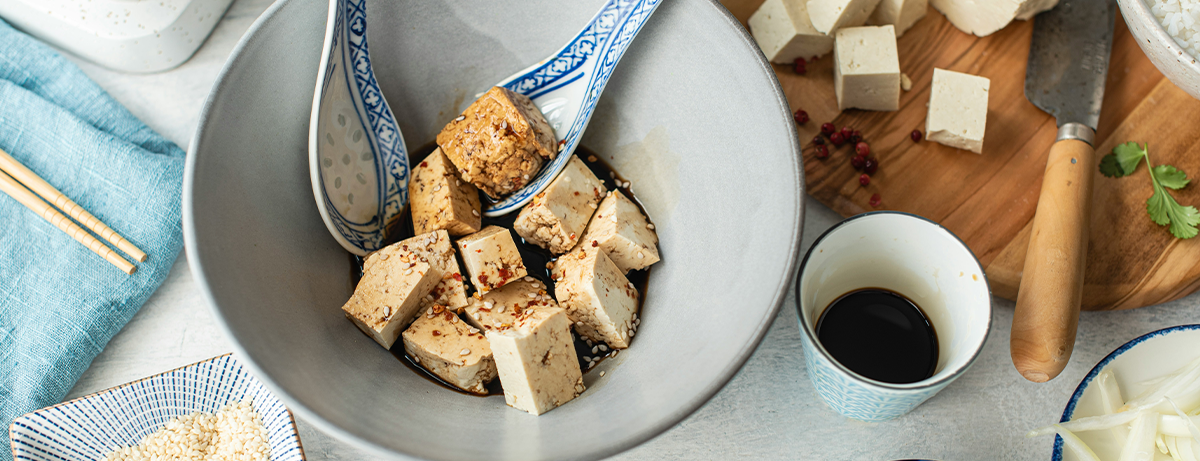
Losing your appetite can be frustrating and tiring. Our nutritionist recommends foods for when you’re not hungry, plus tips on getting your appetite back
Summary
1What causes a loss of appetite?
There can be several reasons for a reduced appetite – some are temporary and harmless, while others happen due to illness or stress.
2How can I increase my appetite naturally?
If you’ve lost your appetite for more than a week or two, speak to your doctor. If it’s something shorter, here are some tips...
3What do I eat if I have no appetite?
Try not to think about the nutritional content of what you eat when your appetite is low – it's more important to have something you can tolerate.
Struggling to eat enough? Low appetite is normal every so often – maybe it’s the hot weather or you’re recovering from a bug. But losing your appetite long-term can take a toll on your physical and mental health. With help from H&B nutritionist Madalena Vieira Costa, discover foods to consider when you have no appetite and how to get more of the nutrition you need...
What causes a loss of appetite?
“There can be many different reasons for a reduced appetite and sometimes it can be completely temporary and harmless,” says Madalena. “For example, lower activity levels, stress, tiredness, changes in routine, warmer weather or feeling slightly unwell can all naturally reduce hunger levels for a short period of time.”
“Appetite may also decrease when the immune system is under stress, such as during a cold or infection. Certain medications or health conditions may also contribute to appetite loss. Plus, digestive issues, low mood, anxiety, hormonal changes and ongoing pain or fatigue can all impact hunger signals too.” As people naturally become less active and lose muscle, they need fewer calories and so their appetite may decrease. But a noticeable reduction in appetite shouldn’t automatically be assumed to be part of ageing. It may increase the risk of malnutrition, muscle loss and frailty and should be discussed with a healthcare professional if it persists.1
How can I increase my appetite naturally?
If you’ve lost your appetite for more than a week or two, speak to your doctor to rule out anything serious. If it’s something shorter, it might help to try a few of these tactics...
1. Focus on nutrient-dense foods
“One helpful strategy is to focus on nutrient-dense foods that provide more energy in smaller portions,” says Madalena. “Healthy fats are especially useful because they’re calorie-dense, meaning you can get more calories without needing to eat large volumes of food. Examples include nut butters or avocado with a small piece of toast, and olive oil drizzled over salads, hummus or warm bread.”
“Protein is also important to help maintain muscle mass and overall strength, particularly if appetite has been low for a longer period. Good options include eggs, yoghurt, milk, chicken, fish, tofu, beans and protein powders. Oily fish such as salmon are a great choice since they provide both healthy fats and protein.”
2. Eat little and often
“It might also be helpful to eat smaller meals and snacks more regularly than to force large meals,” says Madalena. Try to have something every two to three hours, whether that’s a light snack, a small meal or a nutritious drink like a small smoothie. This might help you keep up a steady intake of energy while keeping portion sizes less daunting.
3. Consider texture
“Smoothies and yoghurt bowls might be easier to eat due to their texture,” says Madalena. But choose any texture that takes your fancy: that could be finding something light and crispy to snack on through the day or food that’s soft and easy to chew.
4. Think about your movement
Your appetite may be lower if you’re moving less than usual since you’re expending less energy. If possible, try getting some fresh air and gentle movement – even just a stroll – before mealtimes to help build up an appetite.
On the other hand, you might be so busy and active that you find eating isn’t a priority. If you think you’re more active than usual, consider what might help you eat more: can you ‘book out’ times to eat like you would a meeting? If you can’t find time to sit and eat a meal, try keeping high-energy snacks in places like your car, your gym bag, near your desk or within easy reach if you’re breastfeeding or contact napping.
5. Keep drinks for between meals
It’s important to stay hydrated but liquids can fill you up. If possible, drink after or between meals rather than during or directly before. This way, you may be less likely to fill up on drinks and may have more of an appetite to eat.
What do I eat if I have no appetite?
In short: anything you can. Try not to think about the nutritional content of what you eat when your appetite is low – it's more important to have something you can tolerate, regardless of whether it’s ‘good for you’. But if you’re after foods that’ll help you feel sustained while being easy to eat, try foods that are bland and soft, yet still energy-dense like:
- creamy soups
- scrambled eggs
- toast – add nut butter, cream cheese or mashed avocado for extra protein and healthy fats
- smoothies – you can blend in extra sources of energy like protein powder, oats, peanut butter or bananas
- yoghurt, custard and creamy puddings
- plain cooked pasta – add butter or cheese for a source of fat
- bread with dips like hummus or baba ganoush
If you can tolerate a certain food, consider stocking up a few portions so that it’s ready when you need it.
Nutritionally complete food – shakes made to provide your daily intake of nutrients – can be helpful for sipping or to grab on the go and will help provide nutritional support while you try to get your appetite back on track. “Many people find drinking calories easier than eating full meals, so these products can act as a useful support. In most situations, they’re best used as a supplement alongside meals and snacks rather than as a complete replacement for food unless otherwise advised by a healthcare professional,” Madalena says.
Can stress affect appetite?
Yes. It’s very common for stress to affect appetite one way or the other and there are both physical and psychological reasons for this. During stress, your body enters ‘fight or flight’ mode and releases hormones like adrenaline and noradrenaline, which suppress hunger. Your brain may also reprioritise blood flow towards the heart and muscles and away from the digestive system.2
Loss of appetite can sometimes be associated with depression and other mental health conditions, particularly if it occurs alongside persistent low mood, loss of interest in usual activities or social withdrawal. You might also find that you’re simply not thinking about eating if you have other things on your mind or that it’s difficult to stick to your usual eating patterns.
When should I speak to a doctor about appetite loss?
According to Madalena, you should seek medical advice if your appetite loss lasts longer than one to two weeks without an obvious cause, or if you also experience any of the following:
- unexplained weight loss
- persistent fatigue
- night sweats
- ongoing fever
- a new lump or swelling
- persistent cough
- difficulty swallowing
Appetite loss FAQs
Appetite loss can happen for several reasons. Stress, new medications and short-term illnesses like colds and stomach bugs can leave you not wanting to eat, but in some cases it could be an underlying problem. So if your appetite doesn’t return after a few days, speak to a doctor for advice.
Yes, not drinking enough water could make you feel less hungry.3 When you’re dehydrated, the body produces less saliva, making your mouth dry and potentially making food less appealing. Dehydration may cause other symptoms like fatigue and nausea, which might prevent you from having an appetite.4
It depends on the medication and on the individual – but yes, medication can be a reason for low appetite.5 Sometimes this only lasts for a day or two while your body adjusts to new medication, while other times it’s a long-term side effect. Do not stop prescribed medication without speaking to your doctor or pharmacist.
The final say
If you’re experiencing a temporary low appetite, we hope these tips make staying fuelled a little easier. When appetite is very low, eating something is often better than eating nothing. As appetite improves, aim to gradually return to a balanced and varied diet. In the short term, focus on foods you can tolerate. Choosing options that contain protein and healthy fats may help support energy intake and muscle maintenance.
Before you go, learn why your body loves protein or make a batch of our grab-and-go matcha cherry energy balls...
Disclaimer – This article provides informational advice and is not a substitute for medical care. Working with experts for accuracy, we take great care to ensure the information is up-to-date and relevant. However, you should always consult your GP or healthcare professional before using supplements or alternative products, particularly if you have medical conditions or are under supervision.
1. Salford Age UK. How to improve your food and drink intake if you have a low appetite [Internet]. Salford Age UK [reviewed 2014 Jul, cited 2026 Jul 29]. Available from: https://www.ageuk.org.uk/bp-assets/globalassets/salford-and-trafford/forms/improve-your-food-and-drink-intake.pdf
2. Ans AH et al. Neurohormonal Regulation of Appetite and its Relationship with Stress: A Mini Literature Review. Cureus [Internet]. 2018 Jul 23 [cited 2026 Jul 29]; 10(7): e3032. Available from: https://pmc.ncbi.nlm.nih.gov/articles/PMC6150743/
3. NI Direct. Dehydration [Internet]. [cited 2026 Jul 29].Available from: https://www.nidirect.gov.uk/conditions/dehydration
4. NHS. Dehydration [Internet]. NHS [reviewed 2026 May 1; cited 2026 Jul 29]. Available from: https://www.nhs.uk/conditions/dehydration/
5. Patient Info. Loss of appetite [Internet]. Patient Info [reviewed 2023 May 24; cited 2026 Jul 29]. Available from: https://patient.info/healthy-living/healthy-eating/loss-of-appetite
Related to this article