20% off €45 or 15% off €35
 Track an order
 Manage account
 Buy It Again
 Favourites
 Rewards
 Find a store

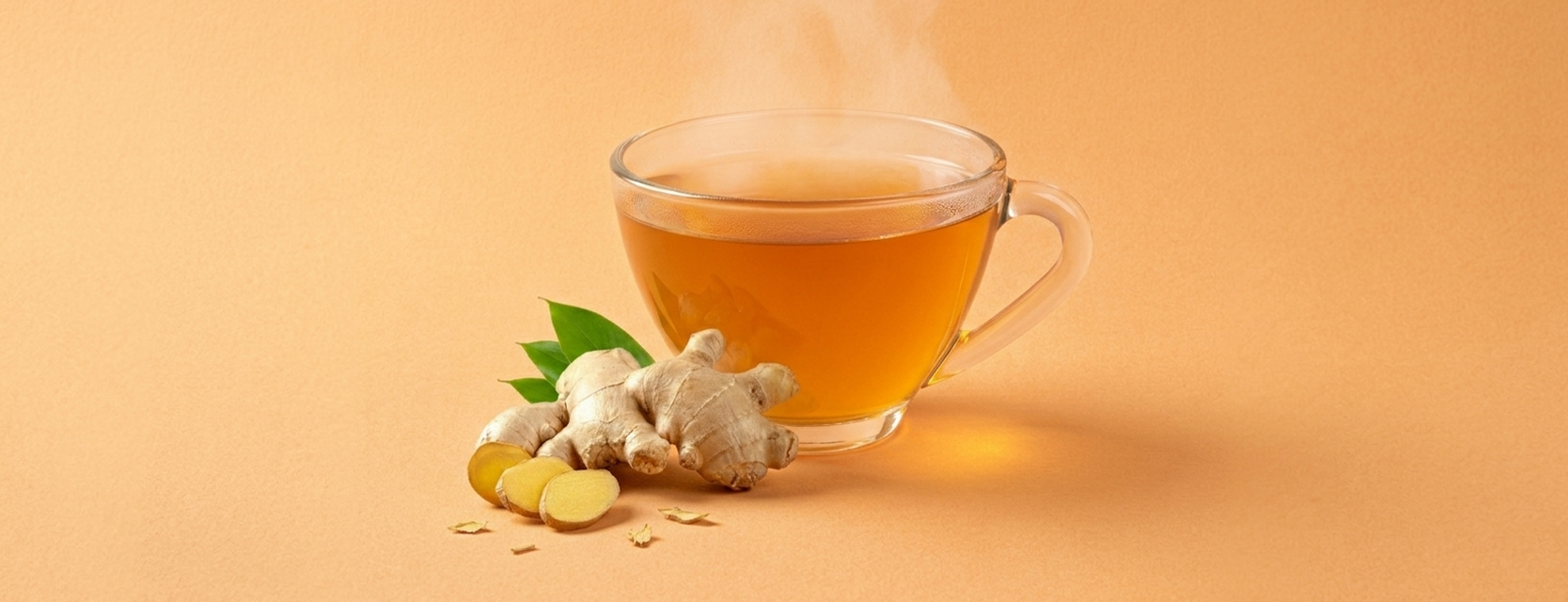
Spice things up with a cup of ginger tea. From its gentle heat to its comforting warmth, it’s a go-to brew any time of day. Here’s a recipe to make it from fresh ginger root, plus easy tea bag blends
Our top picks
Spiced blend
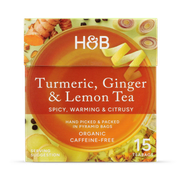
Holland & Barrett
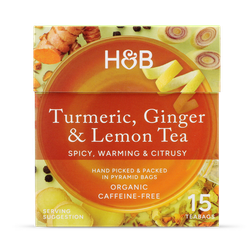
Holland & Barrett Turmeric, Ginger & Lemon Tea 15 Tea Bags
3 for 2 Mix & Match
€4.49
Morning routine
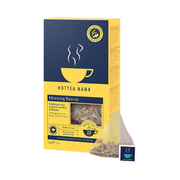
HotTea Mama
HotTea Mama Morning Rescue Ginger Root & Lemon Balm Tea 14 Tea Bags
Buy 1 Get 1 Half Price
€7.49
Citrus & mushroom blend
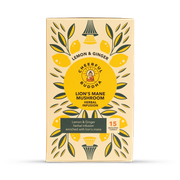
Cheerful Buddha
Cheerful Buddha Lion's Mane Lemon Ginger Tea 15 Tea Bags
€5.90
Ginger tea is a simple herbal infusion made by steeping fresh ginger root or ginger tea bags in hot water. Naturally warming with a gentle, spicy kick, it’s one of those back-to-basics brews that’s both comforting and easy to make at home. It’s also a versatile, caffeine-free alternative to your usual cuppa. Enjoy it as it is, brighten it with lemon or add a touch of Manuka honey.
How to make ginger tea from fresh ginger root
Making ginger tea from scratch is quick, easy and lets you control the strength and flavour.
- a thumb-sized piece of fresh ginger root
- 1–2 cups boiling water
- optional: lemon, honey or maple syrup
- Slice the ginger
Finely slice your fresh ginger root. Peeling is optional - Add to your mug or pan
Place the ginger into a mug or small saucepan - Pour over hot water
Add freshly boiled water and leave to steep for 5–10 minutes - Customise your brew
Add lemon for a fresh, zesty twist, honey for sweetness or turmeric for a warmer, earthier flavour - Strain and serve
Remove the ginger slices if you prefer a smoother finish, then enjoy hot or leave to cool and serve over ice
Prefer something quicker?
If you’re short on time, ginger tea bags are a simple way to enjoy the same warming flavours without the prep. From citrusy blends to spiced infusions, there’s plenty to choose from.
Our favourite ginger tea bags
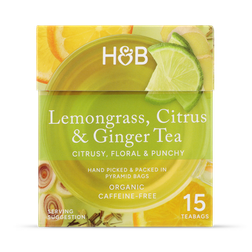
Holland & Barrett
€4.49
€0.30/1 Sachet
A bright, zesty infusion with lemongrass, orange peel and citrus notes layered over gentle ginger warmth. Aromatic and easy to drink – ideal for a refreshing hot cup or poured over ice.
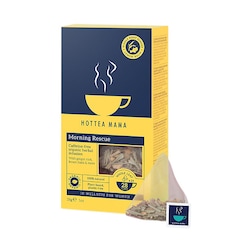
HotTea Mama
€7.49
€0.53/1 Sachet
A delicate whole-leaf blend with warming ginger, lemony herbs and soft mint notes. soothing and easy to sip – designed with easy morning routines in mind.
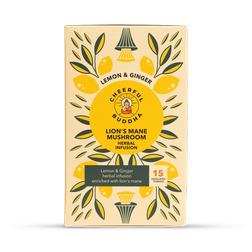
Cheerful Buddha
€5.90
€0.39/1 Each
A bright lemon and ginger lion’s mane infusion with a smooth, rounded finish. Lightly spiced and refreshing, with subtle earthy notes for a layered flavour profile.
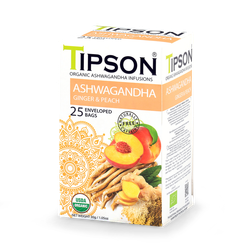
Tipson
€5.75
€0.23/1 Sachet
A lighter, fruitier take on ginger tea, pairing its gentle heat with sweet peach notes. Smooth, fragrant and slightly unexpected – with added ashwagandha.
Why do people drink ginger tea?
Ginger tea has long been used in traditional diets, and some of its most common uses are supported by research.
There’s evidence to suggest ginger may help reduce nausea in certain situations, particularly for morning sickness during pregnancy and for motion-related nausea. Studies have shown that around 1-3g of ginger per day may help reduce symptoms.1-3
If you’re pregnant, check with your GP or midwife before using ginger regularly.
Some research suggests ginger may help support digestion by speeding up how quickly food leaves the stomach (gastric emptying). Clinical trials have also found ginger extract may help improve symptoms of indigestion over time.4,5
Ginger tea is naturally caffeine-free, making it a great option if you’re cutting back on tea or coffee but still want something warm and flavourful.
Ginger tea FAQs
For most people, ginger tea can be enjoyed daily in moderate amounts. However, larger amounts of ginger may cause mild side effects such as heartburn, bloating or stomach discomfort. If you have any medical conditions or take medication, speak to a healthcare professional before making it a regular habit.6
Homemade ginger tea can be stored in the fridge for up to three to four days. Allow it to cool, cover and refrigerate. Reheat when needed or enjoy chilled.
Ginger tea is easy to customise depending on your taste. Lemon adds a fresh, citrusy edge, honey brings sweetness, and spices like turmeric can deepen the flavour. You can also serve it over ice for a lighter, refreshing drink.
The final say
Whether you prefer making ginger tea from fresh ginger root or reaching for a ready-made blend, it’s an easy, adaptable drink that fits into any routine. From zesty citrus mixes to deeper, spiced infusions, there’s plenty to explore – one cup at a time.
If you’re in the mood to branch out, find out why peppermint’s such a refreshing all-rounder or explore our favourite drinks with benefits.
Disclaimer – This article provides informational advice and is not a substitute for medical care. Working with experts for accuracy, we take great care to ensure the information is up-to-date and relevant. However, you should always consult your GP or healthcare professional before using supplements or alternative products, particularly if you have medical conditions or are under supervision.
1. Willetts KE, Ekangaki A, Eden JA. Effect of a ginger extract on pregnancy-induced nausea: a randomised controlled trial. Aust N Z J Obstet Gynaecol. 2003;43(2):139–44.
2. Vutyavanich T, Kraisarin T, Ruangsri R. Ginger for nausea and vomiting in pregnancy: randomised, double-masked, placebo-controlled trial. Obstet Gynecol. 2001;97(4):577–82.
3. Keating A, Chez RA. Ginger syrup as an antiemetic in early pregnancy. Altern Ther Health Med. 2002;8(5):89–91.
4. Hu ML, Rayner CK, Wu KL, et al. Effect of ginger on gastric motility and symptoms of functional dyspepsia. World J Gastroenterol. 2011;17(1):105–10.
5. Baek HI, Ha NR, Kim C, Im TJ, Kim YY, Hwang SH, et al. Efficacy and safety of steamed ginger extract for gastric health: a randomized, double-blind, placebo-controlled multi-center clinical trial. Food Funct. 2025;16:7316-29. Available from: https://pubs.rsc.org/en/content/articlehtml/2025/fo/d5fo01172h
6. Mahomoodally MF, Aumeeruddy MZ, Rengasamy KRR, et al. Ginger in gastrointestinal disorders: A systematic review of clinical trials. Food Sci Nutr. 2019;7(1):96-108. Available from: https://pmc.ncbi.nlm.nih.gov/articles/PMC6341159/
Related to this article