20% off €45 or 15% off €35
 Track an order
 Manage account
 Buy It Again
 Favourites
 Rewards
 Find a store
The best vegan supplements to support plant-based living

Written byJodi M Johnson

Reviewed byMillicent Chapman
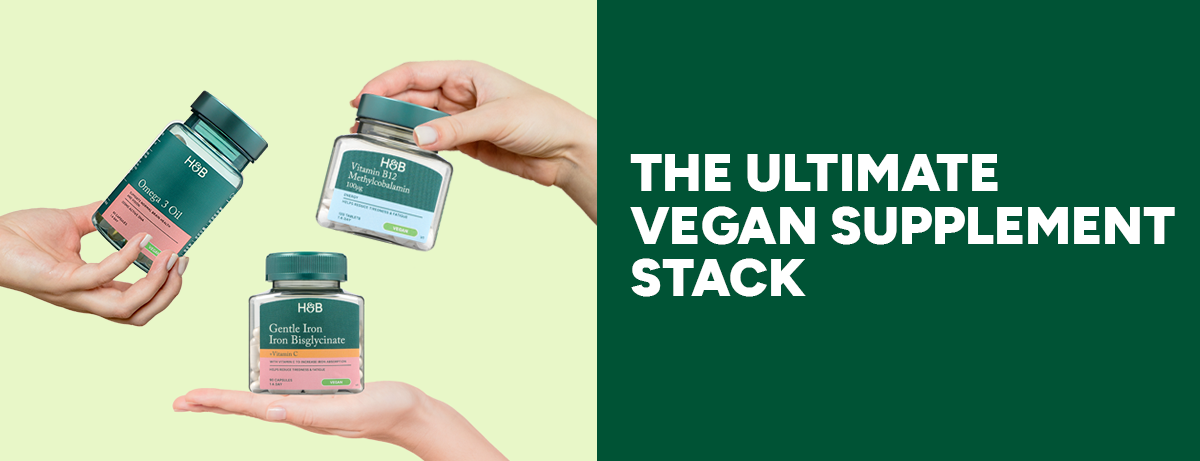
Looking to support nutritional balance on a plant-based diet? Your next move: choosing the right vegan supplements, with our nutritionist’s top picks for balanced nutrition
Our top picks
Supports normal energy-yielding metabolism
Holland & Barrett
Holland & Barrett Vitamin B12 100ug 120 Tablets
Buy 1 Get 1 Free
€13.64
Supports normal brain health
Holland & Barrett
Holland & Barrett Vegan Omega 3 Oil 500mg 60 Capsules
3 for 2 Mix & Match
€20.79
You’re committed to your plant-based lifestyle, you’re loading up on whole foods, you’re doing everything right… but you’re wondering if you could feel even better. What next? Fine-tune your vegan supplement routine to give your body the support it needs to stay energised, nourished and perform at its best. Enter your vegan stack – it's a personalised bundle of vitamins taken together for a specific purpose.
Just pick a product from each section that catches your eye – from vitamin B2 and plant-based omega-3 to iron, vitamin D, calcium, zinc and iodine – and explore why each nutrient matters for a vegan lifestyle with help from H&B nutritionist Millicent Chapman.
Vegan vitamin B12
Because vitamin B12 is found mainly in meat, fish and dairy, it can be tricky to get enough on a vegan diet – which is why a B12 supplement can be such a game-changer for plant-based eaters.1
“This vitamin is part of the vitamin B group. It’s water soluble, meaning excess of this nutrient isn’t stored in the body and is excreted. B12 supports normal energy levels, nervous system function and helps reduce tiredness and fatigue,” says Millicent. “The Nutrient Reference Value (NRV) for vitamin B12 for adults aged 19-64 years is 1.5ug daily.”2
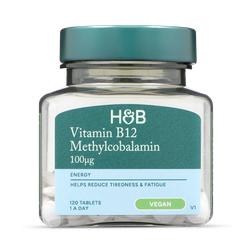
Holland & Barrett
€13.64
€0.11/1 Tablet
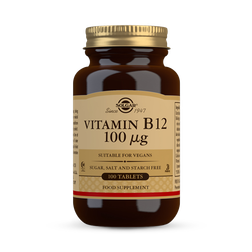
Solgar
RRP €10.95
€8.76
€0.09/1 Tablet
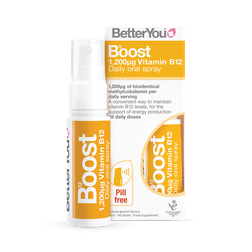
BetterYou
€16.99
€679.60/1 l
Vegan omega-3
Omega-3 (specifically DHA) is needed to support heart health and brain health with a daily intake of 250mg of DHA. “This nutrient is found most abundantly in food sources such as oily fish including salmon and mackerel but is also found in smaller amounts in some seeds, such as flaxseeds and supplement forms such as algal oil. Meaning if you follow a plant-based diet you may benefit from a supplementary form.“3
“Omega-3 is a type of long chain fatty acids, which are the building blocks for fats that our bodies don’t produce naturally. They need to be consumed through dietary intake to ensure optimal bodily function,” says Millicent.
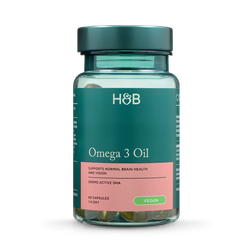
Holland & Barrett
€20.79
€0.35/1 Capsule
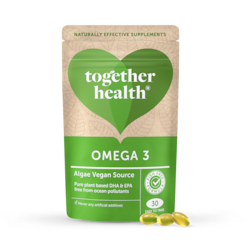
Together Health
€19.19
€0.64/1 Capsule
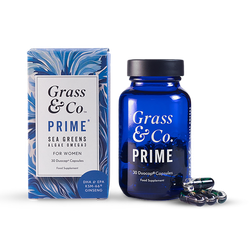
Grass & Co.
€39.99
€1.33/1 Capsule
Iron supplements for vegans
You’ll find this nutrient in lots of everyday foods – such as red meat, beans including kidney beans, chickpeas, dried fruit including apricots and fortified breakfast cereals.
“Iron is a type of micronutrient that is needed everyday in smaller amounts to support optimal function, specifically in making red blood cells and contributes to normal energy-yielding metabolism.,” says Millicent. “Too little iron in your diet can lead to iron deficiency anaemia, which often shows up as low energy and fatigue. It’s recommended that most adults need 8.7mg daily for men aged 19+ years, 14.8mg daily for women aged 19-49 years and 8.7mg for women aged 50+ years.”
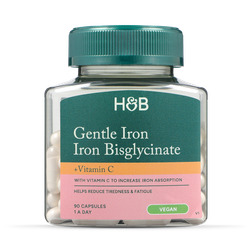
Holland & Barrett
€12.34
€0.14/1 Capsule
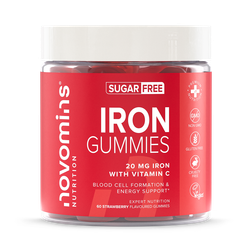
Novomins
€22.99
€0.38/1 gummy
Vitamin D supplements
In the UK, the sun just doesn’t cut it from October to March – as your body can’t make enough vitamin D. So topping up with a supplement during autumn and winter helps maintain your vitamin D levels when sunlight exposure is limited.4 “Vitamin D is an essential vitamin needed daily, this fat soluble nutrient (meaning excess of this vitamin is stored in the body), can be synthesised by the skin through sunlight exposure,” says Millicent.
“Vitamin D can support bone, muscle and teeth health through regulating the amount of the minerals calcium and phosphate in the body,4 additionally to supporting immune system function. The recommended amount of vitamin D for adults is 10ug daily," she adds. “There are two main types of vitamin D which are D3 and D2. Research suggests that vitamin D3 is the more effective type of vitamin D,5 as it’s the type produced naturally in the body and has a higher level of absorption."
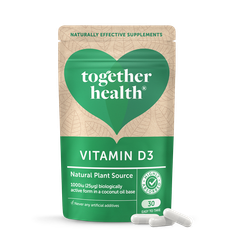
Together Health
€9.49
€0.32/1 Capsule
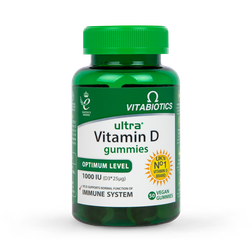
Vitabiotics
€17.06
€0.34/1 Chewable
Vegan calcium supplements
While dairy foods like milk and cheese are rich in calcium, you can also top up with green leafy veg and calcium-fortified foods such as bread and soya drinks.6 “Calcium is a macro-mineral, meaning a mineral that’s needed daily to support optimal function but in larger amounts, this nutrient provides benefits for maintaining the health of bones and teeth, alongside the regulation of muscular contractions," says Millicent.
"The recommended amount of NRV for calcium for adults is 700mg daily, typically most people can get enough of it through their dietary intake, however people individuals that don’t consume dairy products may find it slightly more challenging, meaning a supplementary product could be beneficial."
Zinc supplements for vegans
“Zinc is a macro-mineral, meaning a mineral which is a nutrient that’s needed daily to support optimal function but in larger amounts. This nutrient provides benefits for supporting your immune system, wound healing and contributing to the maintenance of normal testosterone levels.7 It’s recommended that men get 9.5mg daily and women get 7mg daily,” says Millicent. “Food sources rich in zinc include meat, shellfish, dairy foods and cereal products, so following a vegan diet can be more challenging to hit the required amount to prevent deficiency.”
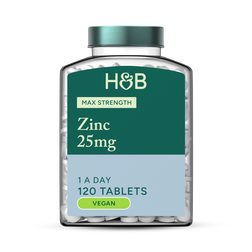
Holland & Barrett
€10.49
€0.09/1 tablet
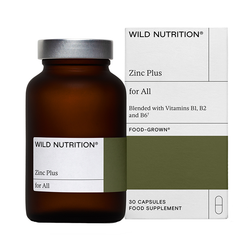
Wild Nutrition
€21.50
€0.72/1 Capsule
Vegan iodine supplements
“Iodine is a mineral needed daily in smaller amounts as it contributes to the normal production of thyroid hormones and normal thyroid function.8 The recommended amount of iodine for adults is 140ug daily,” says Millicent. Food sources rich in iodine include cow's milk, dairy products, eggs and seafood – not exactly plant-based staples – which is where supplements can help keep your levels in check and fill the gaps.9
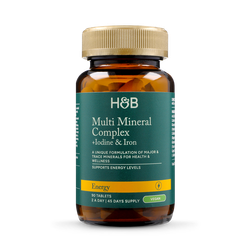
Holland & Barrett
€13.64
€0.15/1 tablet
The final say
Building a thoughtful vegan supplement stack isn’t about complicating your routine, it’s about giving your body steady support. With the right balance of vitamins and minerals, you can stay energised, nourished and confident that your plant-based lifestyle has everything covered.
If you’re looking for a way to support your protein intake too, we’ve created your ultimate guide to plant-based proteins. Or check out how to pop together a deliciously pleasing plant-based cheeseboard to share with friends.
Disclaimer – This article provides informational advice and is not a substitute for medical care. Working with experts for accuracy, we take great care to ensure the information is up-to-date and relevant. However, you should always consult your GP or healthcare professional before using supplements or alternative products, particularly if you have medical conditions or are under supervision.
1. BDA. Nutritional considerations for dietitians [Internet]. www.bda.uk.com. 2023. Available from: https://www.bda.uk.com/news-campaigns/campaigns/sustainable-september/nutritional-considerations-for-dietitians.html
2. NHS. B Vitamins and Folic Acid - Vitamins and Minerals [Internet]. NHS. 2020. Available from: https://www.nhs.uk/conditions/vitamins-and-minerals/vitamin-b/
3. British Heart Foundation. Omega-3 Foods and Your Heart [Internet]. www.bhf.org.uk. 2024. Available from: https://www.bhf.org.uk/informationsupport/heart-matters-magazine/nutrition/omega-3s-and-your-heart
4. NHS. Vitamin D - Vitamins and Minerals [Internet]. NHS. 2020. Available from: https://www.nhs.uk/conditions/vitamins-and-minerals/vitamin-d/
5. Heaney RP, Recker RR, Grote J, Horst RL, Armas LAG. Vitamin D(3) is more potent than vitamin D(2) in humans. The Journal of clinical endocrinology and metabolism [Internet]. 2011;96(3):E447-52. Available from: https://www.ncbi.nlm.nih.gov/pubmed/21177785
6. National Institutes of Health. Calcium [Internet]. National Institutes of Health Office of Dietary Supplements. 2024. Available from: https://ods.od.nih.gov/factsheets/Calcium-HealthProfessional/
7. National Institutes of Health. Zinc [Internet]. Nih.gov. National Institutes of Health; 2022. Available from: https://ods.od.nih.gov/factsheets/Zinc-HealthProfessional/
8. NHS . Iodine - Vitamins and Minerals [Internet]. NHS. 2020. Available from: https://www.nhs.uk/conditions/vitamins-and-minerals/iodine/
9. National Institutes of Health. Office of Dietary Supplements - Iodine [Internet]. Nih.gov. 2022. Available from: https://ods.od.nih.gov/factsheets/Iodine-HealthProfessional/
Related to this article