20% off €45 or 15% off €35
 Track an order
 Manage account
 Buy It Again
 Favourites
 Rewards
 Find a store
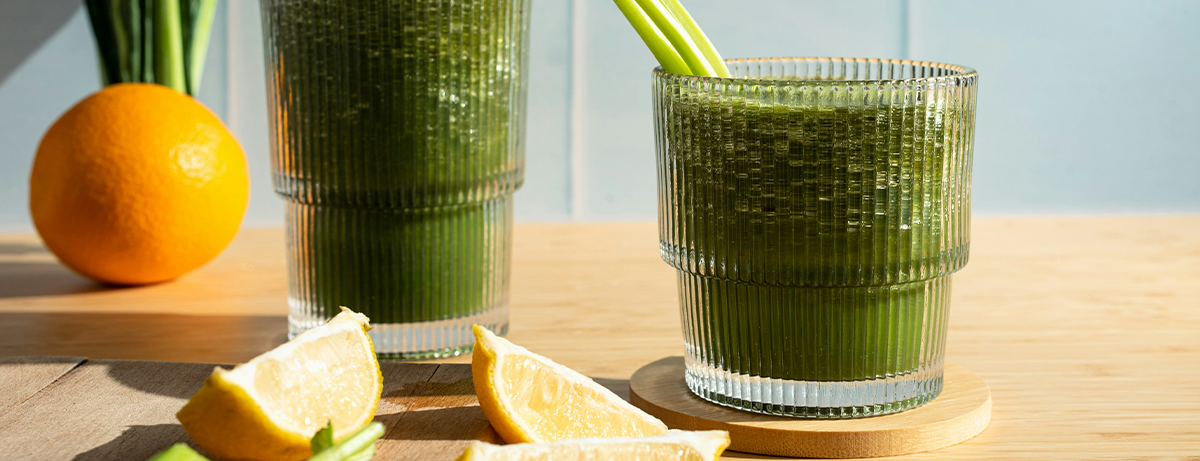
Detox drinks promise a lot, but do they really work? Here’s what to know about detox myths, what your body already does naturally and the drinks that can support your health
Summary
1What is a detox drink?
Most detox plans are built around liquid-based drinks rather than solid foods. Some popular detox drink examples include water with lemon.
2How can you support your body’s detox process?
Your body already does a pretty good job of taking care of itself. Organs like the liver and kidneys work around the clock to filter.
3Four detox drinks worth having
Some drinks may promise a ‘detox’, but they can still provide hydration and nutrients that support normal body functions.
Detox drinks are everywhere, often claiming to flush out ‘harmful toxins’ and deliver added benefits like weight loss or immunity support. When paired with bold promises and dramatic before-and-after stories, it’s easy to see why they can be appealing. But do detox drinks do what they claim? And does your body really need help detoxing in the first place? Here’s a closer look to help you make sense of the claims and understand actually supports your body.
What is a detox?
You’ve probably heard of a ‘detox’, but what does it actually mean? In a medical sense, detoxification refers to the process used to help people safely withdraw from substance abuse, clearing toxins from the body.1 The detoxes you may have heard in the health world – from detox diets and drinks – are very different.
These detoxes often claim to help your body remove toxins that allegedly cause symptoms like:
However, multiple studies have found little evidence to support these claims.2
What is a 'detox drink' and what goes into one?
Most ‘detox’ plans are built around liquid-based drinks rather than solid foods. Some so-called detox drink examples include:
While these drinks provide hydration and some vitamins and minerals, they don’t actively ‘detox’ the body. Relying on them as a replacement for meals can also be dangerous, particularly if your calorie intake drops too low. Some 'detox' drinks also contain laxatives, which are usually used for constipation, such as senna or other ingredients. It’s important to check labels carefully and be extra cautious with products promoted on social media or through non-reputable companies online. If you need advice you can trust, you can always come into one of our H&B stores or book an online consultation.
How can you actually support your body's detox processes?
Your body already does a pretty good job of taking care of itself and removing ordinary ‘toxins’ or waste products from its system. Organs like the liver, kidneys and digestive system work around the clock to filter out waste and unwanted substances, without the need for extreme diets or specialist drinks. What helps your body most is keeping things simple. Eating regular meals, staying hydrated, getting enough protein and fibre all support the way your body functions. When it comes to drinks, it’s best to think of them as a way to hydrate and nourish your body, rather than something that needs to ‘detox’ it.
Four nourishing drinks worth having – for other reasons

Some drinks may promise a ‘detox’, but their benefits tend to come from the hydration and nutrients they offer, rather than any detox effect. It’s better to think of them as everyday drinks that can form part of a balanced routine, rather than quick fixes. Nourishing drinks to add to your balanced diet can include:
1. Smoothies
This can be an easy and delicious way to include more fruit, vegetables and other nutrients as part of a balanced diet. Fruits and vegetables are rich in fibre, antioxidants and anti-inflammatory properties – making them great additions to add to your blender.4,5 Using a mix of leafy greens, fruit, yoghurt and milk can help keep smoothies filling and nutritionally balanced. You can try adding oats or nutritional powders for extra fibre and micronutrients.
Some of our favourite smoothie recipes include our beauty-boosting smoothie that's full of vitamin C and a great source of fibre, our superfood gut smoothie that delivers 40% of your daily vitamin C and our beetroot and blueberry smoothie that's full of fruit and vegetable goodness blended into one.
2. Tea
Tea often features in 'detox' plans and cleanses. While there’s little evidence that it can flush toxins from the body, a good cuppa is linked to a range of everyday benefits and can be a helpful swap if you’re cutting back on sugary drinks. Many types of tea are linked to various health benefits:
- green tea contains polyphenols and amino acids that may support your immune system7
- ginger tea may help support feelings of nausea8
- peppermint tea is often chosen for its refreshing taste and can be effective at removing traces of bad breath9
- chamomile tea has a long history of being used for calmness and sleep disorders10
Herbal teas are also hydrating and contain zero calories, making them a healthier alternative to sugary drinks.
3. Water
Using water to ‘detox’ is fairly common, with some people choosing to avoid food altogether and drink only water for extended periods. In reality, this approach is risky and not backed by scientific evidence, as the body still needs energy and nutrients from food to function properly. That said, starting the day with water (including lemon water if you enjoy it) can be a simple way to rehydrate when you wake up in the morning. Adding fresh lemon juice to warm water may also support digestion at breakfast and contribute small amounts of vitamin C.11
4. Fruit juice
'Detox' juice plans are everywhere but there’s limited evidence that fruit juices are needed to ‘detox’ the body. Fruit naturally contains vitamins, minerals and antioxidants that support normal body functions, but these benefits aren’t unique to juice-based plans. Drinking fruit juice in moderation can still form part of a balanced diet but it’s worth being mindful of sugar content and how much you’re having overall. Smoothies or whole fruit are often a better option, as they retain fibre and other nutrients that are typically lost during juicing.
Detox drink FAQs
Some detox diets can lead to short-term weight loss, mainly because they create a calorie deficit by replacing meals with low-calorie drinks. However, there’s no strong clinical evidence that they can do much else.12,13 A research study in 2017 also found that detox diets tend to lead to weight gain once participants return to eating a normal diet.14 This highlights how temporary any weight loss is, making these approaches difficult to maintain in the long run.
If you’re not withdrawing from drugs or alcohol or dealing with poisoning, there’s little evidence that the body needs help detoxing. Health organisations like the British Dietetic Association describe detox diets as irrational and unscientific.8 The body already has effective systems in place, particularly the liver and kidneys, to remove waste and unwanted substances as part of everyday function.
If harmful levels of toxins were building up, you’d likely feel unwell rather than benefit from a short-term detox plan. It’s also important to remember that typical detox diet plans often contain very little protein. If you consume insufficient protein for a prolonged period of time, your body can react by breaking down its own muscles for fuel and potentially compromising your immunity.15
The final say
Detox drinks can sound appealing, especially when they promise quick results, an easy reset or support for gut health and weight loss. In reality, your body already has effective systems in place to remove waste and unwanted substances, without the need for extreme plans or restrictive diets. Supporting your body’s natural processes comes down to everyday habits, like eating regular meals, staying hydrated and getting a balanced mix of nutrients. While certain drinks can play a role in hydration and nourishment, they’re best seen as part of wider ways to take care of yourself, rather than a shortcut to better health.
Disclaimer – This article provides informational advice and is not a substitute for medical care. Working with experts for accuracy, we take great care to ensure the information is up-to-date and relevant. However, you should always consult your GP or healthcare professional before using supplements or alternative products, particularly if you have medical conditions or are under supervision.
1. Overview, Essential Concepts, and Definitions in Detoxification [Internet]. Nih.gov. Substance Abuse and Mental Health Services Administration (US); 2025. Available from: https://www.ncbi.nlm.nih.gov/books/NBK64119
2. Klein AV, Kiat H. Detox diets for toxin elimination and weight management: A critical review of the evidence. Journal of Human Nutrition and Dietetics. 2015 Dec 18;28(6):675–86.
3. Kim MJ, Hwang JH, Ko HJ, Na HB, Kim JH. Lemon detox diet reduced body fat, insulin resistance, and serum hs-CRP level without hematological changes in overweight Korean women. Nutrition Research [Internet]. 2015 May;35(5):409–20.
4. Slavin JL, Lloyd B. Health Benefits of Fruits and Vegetables. Advances in Nutrition [Internet]. 2012 Jul 6;3(4):506–16. Available from: https://pmc.ncbi.nlm.nih.gov/articles/PMC3649719/
5. Maqsood S, Arshad MT, Ikram A, Kodjo Théodore Gnedeka. Fruit‐Based Diet and Gut Health: A Review. Food Science & Nutrition [Internet]. 2025 Apr 30;13(5). Available from: https://pmc.ncbi.nlm.nih.gov/articles/PMC12041667/
6. Skrovankova S, Sumczynski D, Mlcek J, Jurikova T, Sochor J. Bioactive Compounds and Antioxidant Activity in Different Types of Berries. International Journal of Molecular Sciences [Internet]. 2015 Oct 16;16(10):24673–706. Available from: https://www.ncbi.nlm.nih.gov/pmc/articles/PMC4632771/
7. Sun J, Dong S, Li J, Zhao H. A comprehensive review on the effects of green tea and its components on the immune function. Food Science and Human Wellness. 2022 Sep;11(5):1143–55.
8. NHS website. Feeling sick (nausea) [Internet]. nhs.uk. 2018. Available from: https://www.nhs.uk/symptoms/feeling-sick-nausea/
9. Abbasi F, Haghgoo R. Evaluation of the use of a peppermint mouth rinse for halitosis by girls studying in Tehran high schools. Journal of International Society of Preventive and Community Dentistry. 2013;3(1):29
10. Sah A, Naseef PP, Kuruniyan MS, Jain GK, Zakir F, Aggarwal G. A Comprehensive Study of Therapeutic Applications of Chamomile. Pharmaceuticals [Internet]. 2022 Oct 1;15(10):1284. Available from: https://www.mdpi.com/1424-8247/15/10/1284/htm
11. Vujčić Bok V, Šola I, Rusak G. Lemon Juice Formulations Modulate In Vitro Digestive Recovery of Spinach Phytochemicals. Food Technology and Biotechnology. 2022;60(3).
12. National Center for Complementary and Integrative Health. “Detoxes” and “Cleanses”: What You Need to Know [Internet]. NCCIH. 2019. Available from: https://www.nccih.nih.gov/health/detoxes-and-cleanses-what-you-need-to-know
13. Klein AV, Kiat H. Detox diets for toxin elimination and weight management: A critical review of the evidence. Journal of Human Nutrition and Dietetics. 2015 Dec 18;28(6):675–86.
14. Klein AV, Kiat H. Detox diets for toxin elimination and weight management: A critical review of the evidence. Journal of Human Nutrition and Dietetics. 2015 Dec 18;28(6):675–86.
15. NHS Choices. The truth about detox diets [Internet]. NHS UK; [cited 2026 Jan 19]. Available from: https://www.nhs.uk/livewell/tiredness-and-fatigue/documents/truthdetoxdiets.pdf
Related to this article