
Can a daily dose of biotin really make a difference? One reader put it to the test and asked a hair expert to weigh in. From keratin support to new growth, here’s what really happened
Summary
1Adele’s results
After three months, Adele noticed thicker-feeling roots, new growth at her hairline and improved overall density.
2How biotin works
Biotin (vitamin B7) supports keratin production, helping maintain normal hair strength, structure and resilience.
3How to introduce biotin to your routine
Take biotin daily at a sensible dose, stay consistent and view it as part of a balanced, long-term approach.
Glossy lengths and fuller ponytails dominate our feeds – but could the secret really lie in your nutrition? Social media is fuelling a ‘beauty from within’ trend and one supplement gaining momentum is biotin. Known for its ability to support and strengthen hair, nails and skin, biotin plays a vital role in keratin production, which is particularly essential for hair density and growth.
Curious about the hype, 30-year-old lifestyle writer and Health Hub reader Adele Miner put biotin to the test. When she began noticing results, she consulted Dr Matee Rajput, one of the UK’s leading hair loss specialists, to find out more about how it works and get to the root of the science. Dr Rajput explains, “Biotin, also known as vitamin B7, supports healthy hair growth by contributing to keratin production – the protein that gives hair its strength and structure.”
So, did it deliver? Here’s what happened when Adele added biotin to her daily routine.
What biotin does Adele use?
“I’ve always been conscious of my fine hair. While I don’t suffer from hair loss, my hair has always been on the thin side, which I found frustrating, particularly when I wanted to wear updos. Instead of blindly picking up a beauty supplement that promised results, I did some research on what supplements and vitamins are necessary for hair growth (both on your plate and in a bottle). Biotin was a clear winner. From there, I found ‘Holland & Barrett's Biotin 300ug’, and after chatting with my GP, I began taking one tablet a day.”
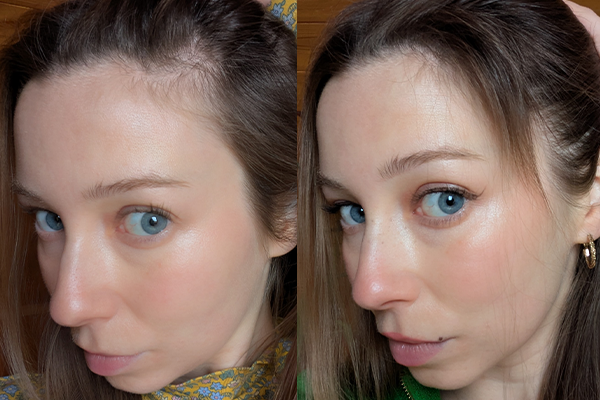
Adele’s results
“With time, my hair began to grow thicker and stronger at the scalp. By month three of taking biotin consistently, I saw a lot of new growth, particularly at the front of my hairline. This has made a huge difference to the thickness around that area and my hair overall. I can wear my hair up or down now and no longer feel worried that my scalp is showing or that my hair looks thin.”
Other ways Adele supports her hair
“To supercharge my results, I’ve also started to nourish the new baby hairs and encourage them to grow with weekly scalp oiling. The Holland & Barrett Nature Spell Rosemary Oil for Hair is my go-to for helping to strengthen and make my hair feel more resilient as it continues to grow. It also goes hand in hand with the biotin supplement, as rosemary can help improve the appearance of fuller, healthier-looking hair and support the scalp.”
How biotin works
Dr Rajput, a UK-based hair loss specialist, explains what biotin is and the role it plays in hair growth. “Biotin, which is also known as vitamin B7, is widely recognised for its role in supporting hair health and growth, particularly in terms of its strength and structure. Biotin plays an important role in keratin production, which is the protein that forms the structure of the hair shaft. Adequate levels help maintain hair strength and resilience.”
“Low biotin levels have been linked to hair thinning, increased shedding, brittle hair and ultimately hair loss”
While biotin is found naturally in foods like beef liver, eggs, salmon and sweet potato, a food-first approach is always best. If these foods don’t regularly feature in your diet – for example, if you follow a vegan lifestyle – it’s worth knowing that biotin is also available as a dietary supplement. Nutritionally speaking, biotin contributes to normal energy-yielding metabolism, helping your body turn the protein, carbohydrates and fats you eat into energy.
Biotin deficiency isn’t actually common. However, Dr Rajput says, “Low biotin levels have been linked to hair thinning, increased shedding, brittle hair and ultimately hair loss. In these cases, restoring biotin intake may help improve overall hair quality, and it’s a supplement that I’d recommend. But biotin supplements are most effective when there’s an underlying deficiency.”
“View biotin as part of a balanced nutritional approach, not a quick fix”
Another nutrient worth knowing about is amino acids – the building blocks of protein from the foods we eat. Biotin plays an important role in helping the body metabolise these amino acids as part of normal nutrient metabolism. It also contributes to the maintenance of normal hair and skin, which is why it’s often linked to keratin-rich tissues like our hair and nails.1-3
How to introduce biotin to your routine
After speaking with your healthcare provider to determine if biotin is the right supplement for you, Dr Rajput shares how best to incorporate it into your routine. “When introducing a biotin supplement, consistency is key. Hair grows slowly, so visible improvements typically take several months. I advise patients to take biotin daily at a sensible dose and to view it as part of a balanced nutritional approach, not a quick fix.”
Dr Rajput also reminds us that results may vary. “While biotin can support hair health, it’s not a cure for all forms of hair loss. Hair loss or thinning is complex and often driven by genetic or hormonal factors.” Evidence doesn’t show that biotin supplementation boosts hair or nail growth in people who already have adequate biotin levels, so benefits are most likely when there’s a deficiency. Biotin may help support existing hair and reduce breakage, but it won’t on its own reverse pattern hair loss.3
The final say
Eight months into supplementing biotin consistently, Adele’s seen a noticeable change in her hair’s overall look and density. Biotin is authorised to contribute to the maintenance of normal hair, which is why it’s long been a quiet hero in hair-focused supplements. Of course, no capsule can outshine a balanced diet and healthy lifestyle, but as beauty habits go, this one is refreshingly low-effort and budget-friendly. Consider it the small, consistent step that helps good hair days become the rule rather than the exception.
Want more beauty secrets? Read about the hype surrounding neem oil and whether it’s worth it or check out our favourite shampoos and conditioners for all hair types.
Disclaimer
Biotin is authorised to contribute to the maintenance of normal hair,1 which is why it’s often included in hair-focused supplements. While it’s not a substitute for a healthy diet and lifestyle, Adele found it to be a simple and affordable way to support her hair, skin and nails.
This article provides informational advice and is not a substitute for medical care. Working with experts for accuracy, we take great care to ensure the information is up to date and relevant. However, you should always consult your GP or healthcare professional before using supplements or alternative products, particularly if you have medical conditions or are under supervision. Any personal experiences shared reflect one individual’s results and are not guaranteed, as outcomes can vary from person to person.
Biotin is authorised to contribute to the maintenance of normal hair,1 which is why it’s often included in hair-focused supplements. While it’s not a substitute for a healthy diet and lifestyle, Adele found it to be a simple and affordable way to support her hair, skin and nails.
This article provides informational advice and is not a substitute for medical care. Working with experts for accuracy, we take great care to ensure the information is up to date and relevant. However, you should always consult your GP or healthcare professional before using supplements or alternative products, particularly if you have medical conditions or are under supervision. Any personal experiences shared reflect one individual’s results and are not guaranteed, as outcomes can vary from person to person.
1. NIH Office of Dietary Supplements. Biotin Fact Sheet for Health Professionals. Bethesda (MD): National Institutes of Health, Office of Dietary Supplements; [updated 2025 Feb 13; cited 2026 Feb 19]. Available from: https://ods.od.nih.gov/factsheets/Biotin-HealthProfessional/
2. Zempleni J, Hassan YI, Wijeratne SSK, Braun K, Rios-Ascualt R, Kariyawasam N, et al. Recent advances in biotin science and human health. Adv Nutr. 2019;10(2):218–24.
3. Patel DP, Lee E, Bhatia N. A review of the use of biotin for hair loss and skin disorders. Skin Appendage Disord. 2017;3(3):166–9. Available from: https://www.ncbi.nlm.nih.gov/pmc/articles/PMC5582478/
Related to this article