Which vitamins should I take when trying for a baby?
Written byNatalie Beastall

Reviewed byHeeral Tomlinson
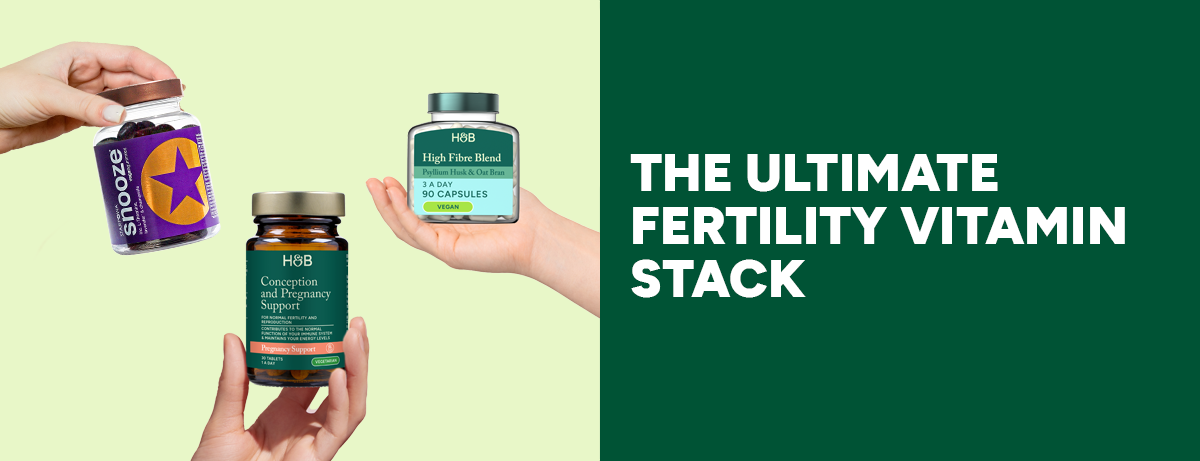
Support your fertility journey with a targeted prenatal vitamin stack that nourishes your body and builds the essential nutrient stores you’ll need for a healthy conception
Our top picks
Zinc supports normal fertility
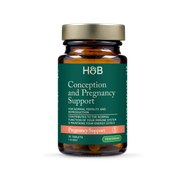
Holland & Barrett
Holland & Barrett Conception & Pregnancy Support 30 Tablets
3 for 2 Mix & Match
€17.99
Formulated by doctors & nutritionists
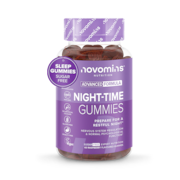
Novomins
Novomins Night-Time Raspberry Flavoured 60 Gummies
3 for 2 Mix & Match
€22.99
Soluble and insoluble dietary fibres
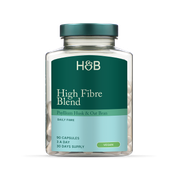
Holland & Barrett
Holland & Barrett High Fibre Blend 90 Capsules
3 for 2 Mix & Match
€20.49
Thinking about starting a family? Before pregnancy even begins, your body is already working hard behind the scenes – from supporting healthy ovulation to nurturing egg quality and creating the right environment for conception. It’s a big job and good nutrition can make a real difference, which is why we’ve come up with a ‘stack’ of vitamins and supplements that can support you. Building your prenatal stack now helps ensure your body has everything it needs to feel strong, supported and ready for what’s next.
We spoke to Science Communications Manager, Heeral Tomlinson, to make sure you’re giving yourself (and your future bump) the best possible head start.
What do prenatal supplements do?
Think of prenatal supplements as your nutritional support squad, here to help prepare your body for pregnancy. One of the most important team players is folic acid, from the vitamin B family, as it helps cells grow and develop properly. Taking 400mcg of it every day for at least three months1 before and during early pregnancy can help reduce the risk of neural tube defects (NTDs) – conditions that affect a baby’s brain and spine.2 The NHS recommends continuing folic acid until you’re 12 weeks pregnant.3
Next up, vitamin D. While we all need around 10mcg a day anyway, it’s equally important during this time as it supports healthy bones, teeth and muscles by balancing calcium and phosphate in the body – just be sure not to take more than 100mcg (4,000 IU) daily, as too much can be harmful.4
Beyond these two essentials, many prenatal multivitamins pack in a blend of nutrients like vitamin E, selenium and B6 – all linked to hormone balance, energy and cell protection. Together, they help your body feel nourished, supported and ready to conceive when the time’s right.5
And remember: before you start any new supplement, it’s always best to chat with your GP. They’ll guide you on what to take, how much you need and whether it’s right for you.
Our favourite prenatal vitamins
Ready to start building your prenatal stack? Mix and match the products to suit your daily rhythm, with our top picks to help you feel nourished, balanced and bump-ready.
Fertility support
Each of these supplements bring together key nutrients that research links to reproductive health. “Some vitamins deserve a special mention and may need to be supplemented such as folic acid,” says Heeral. “Supplementing folic acid increases maternal folate status and low maternal folate status is a risk factor in the development of neural tube defects in the developing foetus.”6,7
“It’s important to get enough vitamins and minerals through your diet where possible, in fact research shows that what you eat before and during pregnancy can influence the health of the child,” she says.
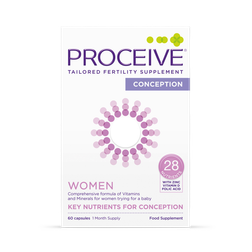
Proceive
€29.95
€0.50/1 Capsule
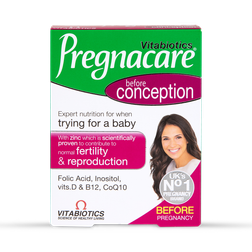
Vitabiotics
€18.91
€0.63/1 Tablet
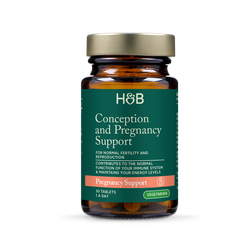
Holland & Barrett
€17.99
€0.60/1 Tablet
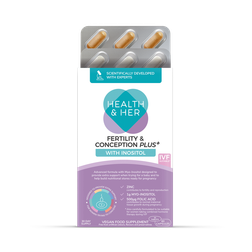
Health & Her
€41.59
€0.69/1 Capsule
Supplements for some much needed unwind time
When your body’s working hard, whether you’re trying or expecting, good rest is essential. Quality sleep helps regulate the hypothalamic-pituitary-gonadal (HPG) axis, which is the hormone network that controls ovulation and reproductive cycles.8,9 Disrupting sleep or circadian rhythms can interfere with this system.
“Research highlights a possible link between sleep disturbances and fertility issues,” says Heeral. “While more research is needed to understand this link, undoubtedly, sleep is important for so many functions in our body,10 helping our brain rest.” So making sure you get plenty of sleep is vital.
These options can help you drift from 'wired' to 'well-rested'. The Starpowa Snooze and Novomins Night-Time gummies are packed with calming nutrients like vitamin B6 and botanical extracts such as chamomile and lemon balm, which may help support relaxation and healthy sleep cycles.11 So whichever you choose, you’re helping your body rest.
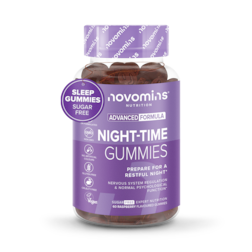
Novomins
€22.99
€0.38/1 Chewable
Support for your gut
A balanced gut is key to feeling good, which matters even more when you’re preparing your body for pregnancy. Each of these supplements offers a slightly different way to help your digestive system. Garden of Life Microbiome Once Daily Prenatal includes probiotics specifically designed to support digestive balance and immune health during the prenatal stage.12
“Fibre has been popping off lately and for good reason – NDNS data shows that 96% of people in the UK aren’t getting enough.13 Fibre is important in all stages of life including the prenatal stage,14 with higher dietary fibre during pregnancy linked to potential benefits for gut microbiome diversity,” says Heeral.
H&B High Fibre Blend focuses on keeping things moving smoothly, which can ease common pregnancy-related issues like bloating or constipation. While H&B Live Friendly Bacteria Chewables offer a simple way to maintain gut comfort while supporting nutrient absorption – vital when your body needs a little extra nourishment.
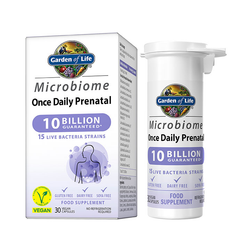
Garden Of Life
RRP €43.99
€35.19
€1.17/1 Capsule
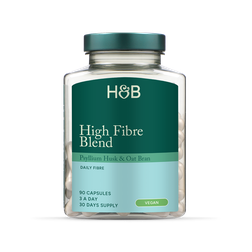
Holland & Barrett
€20.49
€0.23/1 Capsule
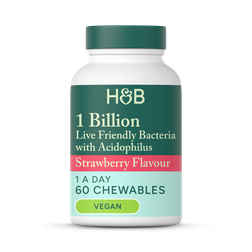
Holland & Barrett
€10.39
€0.17/1 Chewable
FAQs
If you’re ready to start trying for a baby, then it’s a good time to start taking pre-natal vitamins. They’re designed to be taken before you get pregnant to help your body prepare for the journey ahead. Many of them can also be continued safely during pregnancy, too. Although always check the product label and check with your GP.
They help fill any small gaps in your diet so both you and your future baby get all the goodness needed for healthy growth and development. While a balanced diet is always best, it’s not easy to tick every box every single day and that’s where prenatal supplements step in to lend a hand.
Your body works hard when you’re building the foundations for a baby (and even harder once you’re pregnant), so a prenatal can help keep your nutrient levels steady and your energy up.
Ideally you should start taking a prenatal vitamin around three months before you start trying for a baby. That’s because your eggs begin maturing about three months before they’re released, so supporting them early on helps ensure they have all the nutrients they need from the very start.15
If you think you might already be pregnant and haven’t started taking a prenatal yet, don’t worry, just start now. Key nutrients like folic acid are especially important in those first few weeks, as they help reduce the risk of neural tube defects (NTDs), which develop very early in pregnancy (often before many women even know they’re expecting).
The final say
Every fertility journey is unique and so is every body. If you’re thinking about trying for a baby, now’s the time to start targeted support for conception. Building the right routine can help balance hormones, boost energy and support your reproductive health long before pregnancy begins.
If you’re looking to get pregnant, try our ovulation calculator to help estimate the dates each month when you’re most likely to conceive – as well as your next period.
Disclaimer – This article provides informational advice and is not a substitute for medical care. Curated by experts for accuracy, we take great care to ensure the information is up-to-date and relevant. However, you should always consult your GP or healthcare professional before using supplements or alternative products, particularly if you have medical conditions or are under supervision.
1. NHS. How and when to take folic acid [Internet]. nhs.uk. 2022. Available from: https://www.nhs.uk/medicines/folic-acid/how-and-when-to-take-folic-acid/
2. CDC. About Folic Acid [Internet]. Folic Acid. 2024. Available from: https://www.cdc.gov/folic-acid/about/index.html
3. NHS. Vitamins, minerals and supplements in pregnancy [Internet]. nhs.uk. NHS; 2020. Available from: https://www.nhs.uk/pregnancy/keeping-well/vitamins-supplements-and-nutrition/
4. NHS. Vitamin D - Vitamins and Minerals [Internet]. NHS. 2020. Available from: https://www.nhs.uk/conditions/vitamins-and-minerals/vitamin-d/
5. The effect of selenium and vitamin E supplementation on anti-Mullerian hormone and antral follicle count in infertile women with occult premature ovarian insufficiency: A randomized controlled clinical trial. Complementary Therapies in Medicine [Internet]. 2021 Jan 1;56:102533. Available from: https://www.sciencedirect.com/science/article/pii/S0965229920318008
6. Food and Feed Information Portal Database | FIP [Internet]. Europa.eu. 2025 [cited 2025 Dec 15]. Available from: https://ec.europa.eu/food/food-feed-portal/screen/health-claims/eu-register/details/POL-HC-8435
7. Guo T, Luo F, Lin Q. You are affected by what your parents eat: Diet, epigenetics, transgeneration and intergeneration. Trends in Food Science & Technology. 2020 Jun;100:248–61.
8. Caetano G, Bozinovic I, Dupont C, Léger D, Lévy R, Sermondade N. Impact of sleep on female and male reproductive functions: a systematic review. Fertility and Sterility. 2020 Oct;115(3).
9. Lateef OM, Akintubosun MO. Sleep and Reproductive Health. Journal of Circadian Rhythms [Internet]. 2020 Mar 23;18(1). Available from: https://www.ncbi.nlm.nih.gov/pmc/articles/PMC7101004/
10. Eugene AR, Masiak J. The Neuroprotective Aspects of Sleep. MEDtube science [Internet]. 2015 Mar;3(1):35. Available from: https://pmc.ncbi.nlm.nih.gov/articles/PMC4651462/
11. Lemoine P, Bablon JC, Da Silva C. A combination of melatonin, vitamin B6 and medicinal plants in the treatment of mild-to-moderate insomnia: A prospective pilot study. Complementary Therapies in Medicine. 2019 Aug;45:104–8.
12. Lye HS, Balakrishnan K, Thiagarajah K, Mohd Ismail NI, Ooi SY. Beneficial Properties of Probiotics. Tropical Life Sciences Research. 2016;27(2):73–90.
13. Office. National Diet and Nutrition Survey 2019 to 2023: report [Internet]. GOV.UK. 2025. Available from: https://www.gov.uk/government/statistics/national-diet-and-nutrition-survey-2019-to-2023/national-diet-and-nutrition-survey-2019-to-2023-report
14. Pretorius RA, Palmer DJ. High-Fiber Diet during Pregnancy Characterized by More Fruit and Vegetable Consumption. Nutrients. 2020 Dec 24;13(1):35.
15. Planning for pregnancy | NHS inform [Internet]. NHS inform. 2024. Available from: https://www.nhsinform.scot/healthy-living/womens-health/middle-years-around-25-to-50-years/pregnancy-and-maternity/planning-for-pregnancy/
Related to this article