20% off €45 or 15% off €35
 Track an order
 Manage account
 Buy It Again
 Favourites
 Rewards
 Find a store

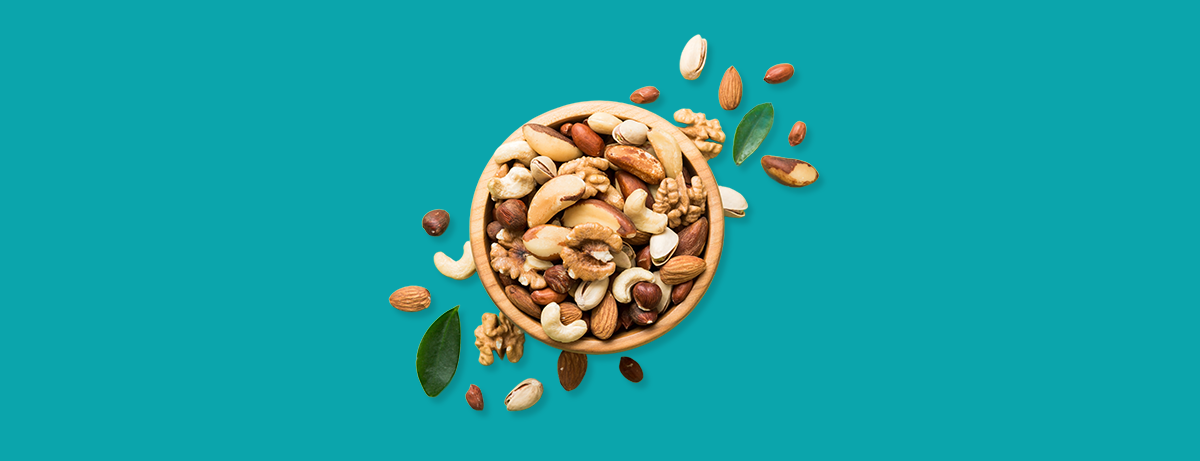
It might not sound sexy, but bowel-regulating fibre is all the rage on TikTok right now. So how can you dial up your fibre with little to no effort and more importantly – why bother?
Summary
1What's ‘fibremaxxing’?
As the name might suggest, it’s all about deliberately supporting our intake of both soluble and insoluble fibre.
2How much fibre should you aim for?
The NHS says that adults should be eating about 30 grams of this essential nutrient a day, but most of us are getting way less.
3What’s soluble fibre?
Soluble fibre is a type of dietary fibre that isn’t digestible by your body but instead feeds the good bacteria in your gut.
Scrolled past a bunch of ‘fibremaxxing’ videos lately and filed it under TikTok’s ever-growing list of dubious nutrition trends? Hold up before you write it off completely, this is one viral wellness trend that nutritionists actually seem to rate. So what exactly is ‘fibremaxxing’? How does it work? And why is everyone suddenly obsessed with sprinkling nuts and seeds on everything? We turned to nutritionist Rob Hobson so you don’t have to.
What's ‘fibremaxxing’?
‘Fibremaxxing’, as the name might suggest, is all about deliberately supporting our intake of both soluble and insoluble fibre – the stuff you get from beans, lentils, wholegrains, nuts, seeds, fruit and veg. For some people, that looks like building their plate around foods high in fibre (yep, like those colourful buddha bowls you’ve likely seen all over social media). For others, it’s adding supplements like psyllium husk or fibre supplements into their daily routine for dietary intake support – although dieticians say it's always best to get our nutrients from food.
How much fibre should you aim for?
Ever wondered (or Googled) how much fibre per day you actually need? Well, the UK is a fairly fibre deficient country, with roughly 96% of us estimated to fall short on the stuff.1 The NHS says that adults should be eating about 30 grams of this essential nutrient a day, but most of us are getting way less – around 20 grams each in fact.2
So, is it risky to go all in on the trend and ‘fibremaxx’ beyond this guideline? “It’s absolutely fine to go over 30 grams and many people do and feel great, but timing and tolerance matter,” clarifies Rob. “What the body doesn’t really love is 30 grams dumped into one meal; that’s when you can get bloating, cramps and a fast-track trip to the toilet. Rather than overdoing it in one sitting, the ideal approach is to spread your fibre across all meals, increase your intake gradually and drink plenty of water, as fibre needs fluid to work properly.”3 Rob adds that you can comfortably eat around 35 to 40 grams a day once you’re used to it, but you’ll want to ramp up slowly.
What’s soluble fibre and how does it support our gut health?
Soluble fibre is a type of dietary fibre that isn’t digestible by your body but instead feeds the good bacteria in your gut.4 Since your body doesn’t digest these plant fibres, they travel down to your lower digestive tract where they act as food for your gut microbiota.4 Studies suggest that eating roughly three to five grams of soluble fibre a day can support gut microbiome diversity and if you’re eating the recommended high fibre intake, you’re likely hitting this naturally.5
How to ‘fibremaxx’ in everyday life: 7 nutritionist-backed tips
Unless you’ve got the luxury of cooking every meal from scratch, the idea of taking on a ‘fibremaxxing’ challenge can seem daunting. Luckily, you don’t have to be permanently attached to your chopping board to get the most out of this trend. Try Rob’s golden rules for ramping up your fibre intake…
1. Add one ‘plant extra’ to every meal
There are so many simple ways to add extra fibre into your meals that don’t require extra effort. Think berries on your breakfast, a spoonful of chickpeas in your soup or edamame beans sprinkled on your stir fries. “Seeds are a really easy one to throw onto most meals,” says Rob. “Keep them visible on your worktop so you actually remember to use them.”
2. Lean on tinned foods
Beans, lentils and chickpeas aren’t only cheap but they’re also excellent sources of fibre that can be easily cracked open and tipped into meals for an extra fibre hit. Plus, a standard 400g tin of chickpeas contains around 15 grams of fibre when drained. “Decant your tins into containers and keep them in the fridge,” Rob suggests. “Then you can grab a spoonful whenever you need instead of opening a new can.”
3. Make smart swaps
One deliciously simple way to ‘fibremaxx’? Switch to wholemeal versions of foods you already eat. Think wholemeal pasta over white, seeded bread over plain and oats over sugary cereals. “These tiny swaps really do add up over a week,” Rob notes.
4. Don’t try to cram all your fibre into one meal
When you’re taking on a new healthy habit like the ‘fibremaxxing’ trend, it’s tempting to try and cram all your plants and wholegrains in one meal. “Fibre is notorious for getting things moving downstairs, so spread yours out through the day instead,” Rob says.
"The average Brit is missing out on 10g of all-important dietary fibre a day"
5. Actually hydrate
Fibre needs water to keep stools soft and do its thing, so simply upping your plants isn’t enough. “If you’re increasing your fibre, you’ll need to up your fluids too,” Rob says. The NHS recommends drinking six to eight glasses of the clear stuff per day.6
6. Rotate your plants
Many of us stick to the same fridge fillers week in and week out but variety in plant foods is surprisingly important. This is because there is a broad spectrum of phytonutrients (natural compounds) found in different plant species. “Rather than eating the same five or six veggies, aim for 20 to 30 different plant foods a week,” Rob suggests. “Diversity matters, not just hitting one big number.”
7. Batch-cook one ‘fibre hero’
If the idea of cooking an intricate meal after a long day at work has you reaching for your takeaway apps, try batch cooking a high-fibre dish at the start of the week – something you can dip into without thinking. “A pot of lentil soup, a bean chilli, roasted veg, a quinoa salad – anything you can portion out and grab quickly,” Rob suggests. “There are so many great high-fibre recipes out there, many which can be cooked in one pan to save on the washing up.”
The final say
With the average Brit missing out on 10g of all-important dietary fibre per day,2 ‘fibremaxxing’ might just be the one TikTok nutrition trend we can sensibly get on board with. If you’re tempted to try it, go slow: increase your fibre bit by bit and support your water intake too.
Interested to learn more about the gut? We unpick the gut-brain connection with the help of an expert. Plus, we also look into the gut-skin axis and how your gut can affect your skin.
Disclaimer – This article provides informational advice and is not a substitute for medical care. Working with experts for accuracy, we take great care to ensure the information is up-to-date and relevant. However, you should always consult your GP or healthcare professional before using supplements or alternative products, particularly if you have medical conditions or are under supervision.
1. Office. National Diet and Nutrition Survey 2019 to 2023: report [Internet]. GOV.UK. 2025. Available from: https://www.gov.uk/government/statistics/national-diet-and-nutrition-survey-2019-to-2023/national-diet-and-nutrition-survey-2019-to-2023-report
2. NHS. How to get more fibre into your diet [Internet]. NHS. 2022. Available from: https://www.nhs.uk/live-well/eat-well/digestive-health/how-to-get-more-fibre-into-your-diet/
3. British Dietetic Association. Fibre [Internet]. British Dietetic Association. 2021. Available from: https://www.bda.uk.com/resource/fibre.html
4. Davani-Davari D, Negahdaripour M, Karimzadeh I, Seifan M, Mohkam M, Masoumi S, et al. Prebiotics: Definition, Types, Sources, Mechanisms, and Clinical Applications. Foods. 2019 Mar 9;8(3):92.
5. Fu J, Zheng Y, Gao Y, Xu W. Dietary Fiber Intake and Gut Microbiota in Human Health. Microorganisms [Internet]. 2022 Dec 18;10(12):2507. Available from: https://pmc.ncbi.nlm.nih.gov/articles/PMC9787832/
6. NHS. Water, Drinks and Your Health [Internet]. nhs.uk. 2023. Available from: https://www.nhs.uk/live-well/eat-well/food-guidelines-and-food-labels/water-drinks-nutrition/
Related to this article