Curious about functional mushrooms? Start with these 5

Written byJodi M Johnson

Reviewed byOlivia Rosenvinge
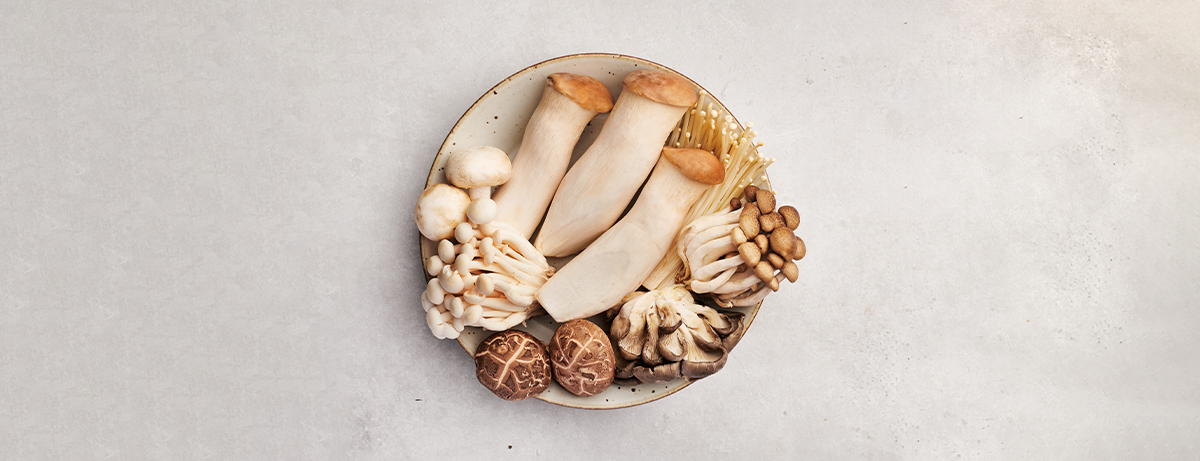
From mushroom coffee to TikTok wellness trends, functional mushrooms are everywhere. But what are they and which varieties are worth knowing about? Our nutritionist is here to help
Summary
1What are functional mushrooms?
Functional mushrooms is a wellness industry term for mushrooms valued for their naturally occurring bioactive compounds.
2How to take functional mushrooms
Mushroom powders and extracts are often added to coffee, smoothies, hot chocolate, oats, soups or broths.
3Are mushroom supplements worth trying?
Many people choose supplements because they're convenient and offer a concentrated source of mushroom extracts.
Interest in functional mushrooms has grown rapidly in recent years, with everything from mushroom coffee to mushroom powders appearing on supermarket shelves and social media feeds – even the much-loved Clarkson’s Farm series. But what exactly are functional mushrooms and are mushrooms good for you?
While mushrooms have been used in culinary traditions for centuries, certain varieties have also played a role in traditional wellness practices across Asia. Today, researchers are exploring the unique compounds found in these fungi and their potential role in supporting overall wellbeing. With help from our Nutritionist, Olivia Rosenvinge, we’ve got what you need to know about the most popular functional mushrooms, their flavour profiles and how they're commonly used.
What are functional mushrooms?
“Functional mushrooms is a non-scientific wellness industry term used to describe mushrooms that are valued not only as foods but also for their naturally occurring bioactive compounds, such as beta-glucans, polysaccharides, polyphenols and triterpenes,” says Olivia.1
“Functional mushrooms are often consumed as extracts, teas, capsules or mushroom powder”
Unlike everyday culinary mushrooms such as button or chestnut mushrooms, functional mushrooms are often consumed as extracts, teas, capsules or mushroom powder.1 Though, it's important to distinguish between eating mushrooms as foods and taking concentrated mushroom extracts. The nutritional benefits of edible mushrooms are generally better established than many of the proposed benefits associated with mushroom supplements.
What are the different types of functional mushrooms?
Reishi Mushroom
Known as the ‘mushroom of immortality’ in traditional Chinese practices, the reishi mushroom (Ganoderma lucidum) is one of the best-known functional fungi. When people search for reishi mushroom benefits, they're often interested in its long history of use in traditional wellness practices. Modern research is ongoing, with scientists investigating its potential role in areas such as heart health and men's health. However, more high-quality human studies are needed before firm conclusions can be drawn.
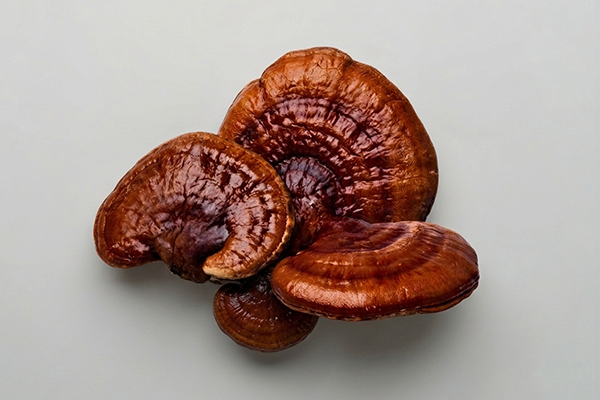
Appearance: reishi has a glossy, reddish-brown cap with a distinctive varnished appearance.
Flavour: it has a bitter, woody taste that makes it less suitable for everyday cooking.
How it's used: reishi is most commonly found in teas, tinctures, capsules and mushroom powder blends.
Lion's Mane Mushroom
The lion's mane mushroom (Hericium erinaceus) is instantly recognisable thanks to its unusual appearance and growing popularity in wellness products. Much of the interest around lion's mane benefits centres on brain health and cognitive function.2 Some small human studies have explored cognitive outcomes, but larger well-designed trials are needed before conclusions can be drawn.2 Even so, lion's mane has become a popular ingredient in mushroom coffees, functional beverages and supplement blends.
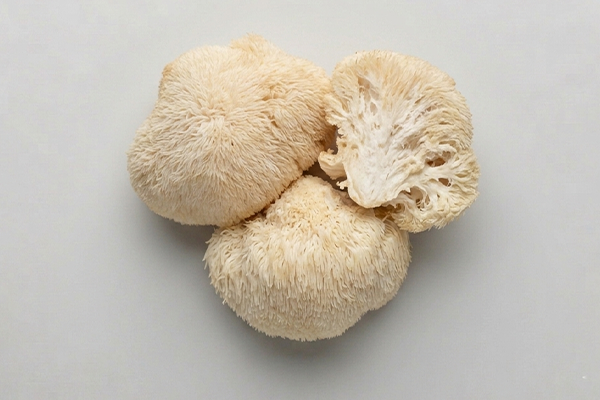
Appearance: it forms cascading white spines that resemble a lion's mane
Flavour: mild, slightly sweet and often compared to seafood such as crab or lobster
How it's used: lion's mane can be cooked and eaten fresh, but it's also widely available as capsules, powders and drinks
Shiitake Mushroom
The shiitake mushroom (Lentinula edodes) is both a functional mushroom and a culinary favourite. Among the most widely consumed mushrooms in the world,3 cooked shiitake mushrooms contain many key nutrients including magnesium, phosphorus and fibre. Interest in shiitake mushroom benefits often focuses on their nutritional profile and the beta-glucans they contain.4 Research continues to explore whether these compounds can support overall wellness and nutrition as part of a balanced diet.4
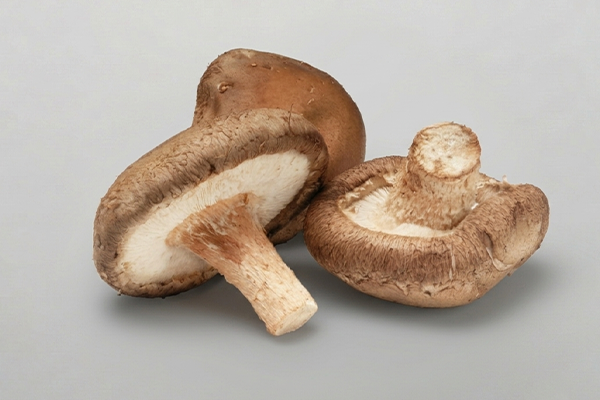
Appearance: shiitake mushrooms have broad brown caps and pale stems
Flavour: rich, savoury and umami packed
How it's used: commonly added to stir-fries, soups, broths and noodle dishes. It's also available in supplement form
Chaga mushroom
The chaga mushroom (Inonotus obliquus) looks very different from the mushrooms typically found in the kitchen. Interest in chaga mushroom benefits is often linked to its naturally occurring antioxidants and polyphenols. While lab studies have shown promising findings, research in humans remains limited and ongoing. Its distinctive flavour has also made it a popular addition to functional drinks and wellness blends.
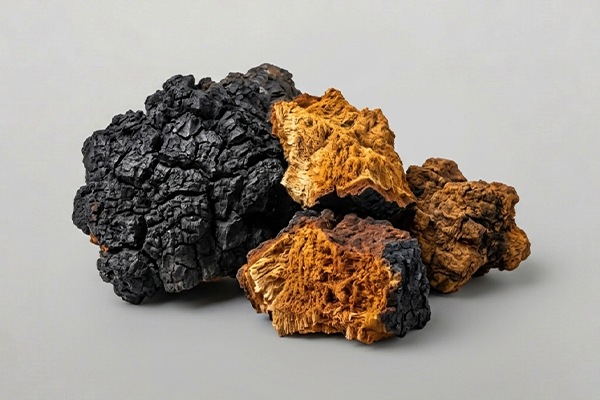
Appearance: dark, charcoal-like growths found on birch trees
Flavour: earthy, slightly bitter and often described as similar to black tea
How it's used: most commonly brewed as a tea or consumed as an extract or mushroom powder
Maitake mushroom
Also known as the ‘hen of the woods’, the maitake mushroom (Grifola frondosa) is both edible and functional. Maitake has a long history of use in Japanese cuisine and traditional practices. Researchers are currently investigating the bioactive compounds found within maitake and how they may contribute to health and wellbeing.
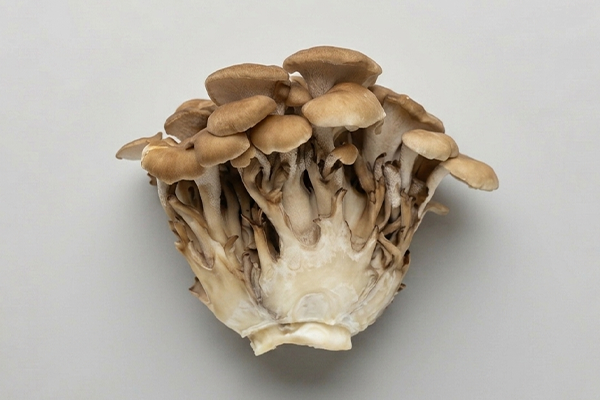
Appearance: large clusters of overlapping grey-brown fronds
Flavour: earthy, rich and slightly peppery
How it's used: maitake is commonly cooked in soups, stews and roasted dishes, as well as being available in supplement form
How to take functional mushrooms
“Mushroom powders and extracts are often added to coffee, smoothies, hot chocolate, oats, soups or broths,” says Olivia. “For those who prefer a more convenient format, capsules and tinctures are also widely available.” However, it's important to remember that mushroom supplements aren’t a substitute for whole foods. While interest in mushroom extracts continues to grow, the nutritional benefits of edible mushrooms as foods are generally better established. Culinary mushrooms can still play an important role in a balanced diet. Here are some ways to incorporate functional mushrooms into your routine:
- fresh or dried mushrooms in cooking
- mushroom teas and infusions
- mushroom coffee blends
- liquid extracts and tinctures
- capsules
- mushroom powder added to smoothies, porridge, soups or hot drinks
Are mushroom supplements worth trying?
Mushroom supplements have become increasingly popular as interest in functional foods continues to grow. Many people choose supplements because they're convenient and offer a concentrated source of mushroom extracts. “However, though functional mushrooms are popular in wellness circles, the evidence is still evolving. Much of the current research has been conducted in laboratory studies, animal models or small human trials rather than large-scale clinical studies,” says Olivia.4
“While mushrooms can be a nutritious addition to a healthy lifestyle, they’re not a cure-all and individual responses may vary,” says Olivia. If you're considering mushroom supplements, look for products from reputable manufacturers and speak to a healthcare professional if you're pregnant, breastfeeding, taking medication or have a health condition. Mushroom supplements may not be suitable for everyone and can interact with certain medication.
Functional mushrooms FAQs
“Culinary mushrooms are naturally low in calories and fat while providing fibre, amino acids, minerals, some B vitamins and bioactive compounds such as beta-glucans,” says Olivia. “Both whole mushrooms and mushroom-derived powders can be included as part of a balanced diet.” 5
The lion's mane mushroom is commonly used in supplements, powders and beverages. It's particularly popular among people interested in focus, productivity and cognitive wellbeing, but whether it can support with any of these, the jury is out and more research is needed.
Yes. Shiitake and maitake mushrooms are widely used in cooking and can add flavour and texture to a range of dishes. Some functional mushrooms, such as lion's mane, can also be cooked and eaten fresh. Others, including reishi and chaga, are generally consumed as teas, extracts or powders due to their tough texture and bitter taste.
The final say
Functional mushrooms have moved from niche wellness circles into the mainstream, appearing in everything from coffees and powders to capsules and cooking ingredients. While many of the most talked-about mushrooms have long histories of traditional use, research into their potential health effects is still evolving. It's worth approaching them with curiosity and keeping expectations grounded in the available evidence.
Room for more foods that do more? Check out if there are foods that boost metabolism or scroll through our favourite products to support brain and cognitive function.
Disclaimer – This article provides informational advice and is not a substitute for medical care. Working with experts for accuracy, we take great care to ensure the information is up-to-date and relevant. However, you should always consult your GP or healthcare professional before using supplements or alternative products, particularly if you have medical conditions or are under supervision.
1. Łysakowska P, Sobota A, Wirkijowska A. Medicinal Mushrooms: Their Bioactive Components, Nutritional Value and Application in Functional Food Production—A Review. Molecules. 2023 Jul 14;28(14):5393–3.
2. Docherty S, Doughty FL, Smith EF. The Acute and Chronic Effects of Lion’s Mane Mushroom Supplementation on Cognitive Function, Stress and Mood in Young Adults: A Double-Blind, Parallel Groups, Pilot Study. Nutrients. 2023 Nov 20;15(22):4842–2.
3. Feeney MJ, Miller AM, Roupas P. Mushrooms—Biologically Distinct and Nutritionally Unique. Nutrition Today [Internet]. 2014 Nov 1;49(6):301–7. Available from: https://www.ncbi.nlm.nih.gov/pmc/articles/PMC4244211/
4. Cerletti C, Esposito S, Iacoviello L. Edible Mushrooms and Beta-Glucans: Impact on Human Health. Nutrients [Internet]. 2021 Jul 1;13(7):2195. Available from: https://www.mdpi.com/2072-6643/13/7/2195
5. Hamza A, Ankit Mylarapu, K. Vijay Krishna, Devarai Santhosh Kumar. An insight into the nutritional and medicinal value of edible mushrooms: A natural treasury for human health. Journal of Biotechnology. 2024 Feb 1;381:86–99.