Our favourite plant-based retinol products

Written byMedico Digital

Reviewed byDr Guy Ratu, (GPwER) in Dermatology
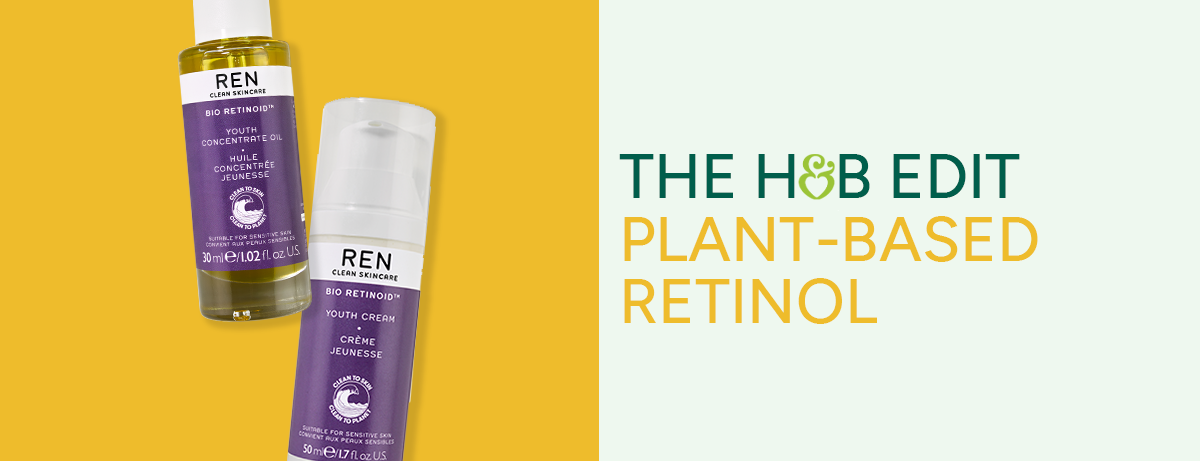
Looking for a gentler, alternative to synthetic retinol products? Here some of the best plant-based vegan retinol skincare products and their benefits
Our top picks
Helps smooth texture
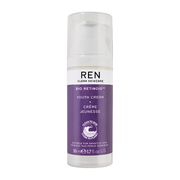
REN
REN Bio Retinoid‚Ñ¢ Youth Cream 50ml
Clearance
€39.00
€67.60
No irritation
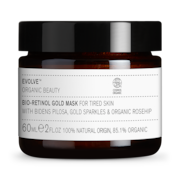
Evolve
Evolve Bio Retinol Gold Mask 60ml
Clearance
€19.50
€33.99
Helps plump skin
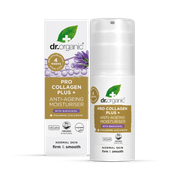
Dr Organic
Dr Organic Pro Collagen Plus Bakuchiol Moisturiser
3 for 2 Mix & Match
18+
€28.60
If you've ever dreamed of a gentle skincare upgrade, plant-based retinol might be the glow-up your routine's been waiting for. Praised by many for smoothing and brightening without the drama (looking at you, irritation), it's easy to see why these alternatives are gaining fans in the beauty world.1
Whether you’re here to tackle fine lines, give yourself a glow or simply refresh your routine, plant-based retinol alternatives offer a different approach to skincare. Let's explore why some people call them ‘botanical wonders’ and what they can do for your skin.
What is plant-based retinol?
Okay, so you’ve heard the buzz about plant-based retinol, but let’s clear something up: it’s not actually retinol.
Retinol is a form of vitamin A, typically made synthetically in a lab (which means it’s usually vegan). It’s famous for being the go-to ingredient for those seeking smoother, glowier skin.2,3 But what if you want the benefits of retinol without the potential irritation – or if you prefer a plant-powered option?1 That’s where plant-based retinol steps in.
Think of plant-based retinol as plants, botanicals or extracts with retinol-like effects.4 The most popular example is bakuchiol (pronounced buh-koo-chee-ol), derived from the seeds of the babchi plant. It works like retinol by helping smooth fine lines and even out your skin tone.1,5
In short, plant-based retinol isn’t the real deal chemically but offers similar potential benefits and does a great job mimicking retinol.4 It’s basically like swapping out a strong espresso for a soothing herbal tea – different ingredients, but both give you support.
What does plant-based retinol do?
So, what’s the deal with plant-based retinol? Does it actually do anything? The short answer: yes, it’s more than just a skincare trend.
These plant-based alternatives help bring out the glow and work similarly to retinol products by helping smooth fine lines, brighten skin tone and boost collagen, but they tend to be gentler on your skin.
Let’s break down those potential benefits:
- wrinkles: a 2018 study found that bakuchiol reduced wrinkles after 12 weeks.1 However, this study didn’t directly measure collagen levels – just improvements in skin appearance – so more research is needed to confirm its long-term effects. The study was also relatively small, meaning results may not apply to everyone
- smoothing fine lines: like retinol, plant-based options help your skin shed dead cells and help regenerate fresh ones.5 Bakuchiol and rosehip oil encourage this process, which may help soften the appearance of fine lines over time5,7
- evening out skin tone: hyperpigmentation or sunspots? Plant-based retinol may help with that too.8 That same 2018 study on bakuchiol found that it reduced pigmentation and uneven tone, giving skin a smoother, brighter appearance.1 While promising, the study found no statistically significant difference between bakuchiol and retinol in its effects on pigmentation, so longer studies are needed to fully understand its benefits over time
In short, plant-based retinol offers many of the same potential benefits as traditional retinol: it may help smooth, brighten, firm and address signs of ageing.5,10
The key difference? It’s a gentler experience and plant-based retinol may give you all the glow you need.
Our favourite plant-based retinol products
We’ve rounded up our top picks for retinol alternatives that can help deliver radiance. Each product features gentle ingredients, making them suitable for various skin types.
Ready to find your new skincare favourite? Here’s the line-up:
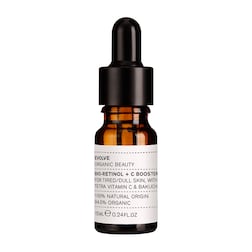
This oil-based booster blends bio-retinol from bakuchiol with vitamin C to brighten, hydrate and refresh tired, dull skin.5,11 Plus, it’s enriched with organic rosehip and sea buckthorn oils to nourish, offering the potential anti-ageing perks in every drop.7,12
Apply one to two drops directly onto cleansed skin, massaging it into your face and neck or mix it into your moisturiser or serum. Use it morning and night to make the most of its glowing benefits.
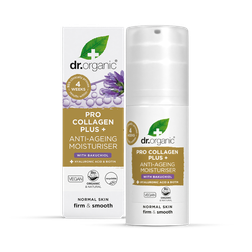
This innovative moisturiser combines bakuchiol with biotin and hyaluronic acid to hydrate and smooth the skin.5,13 Bonus points for blackberry leaf extract, which may contribute to firmer, more youthful-looking skin.14
Massage into clean skin morning and night as part of your routine. Make sure to pair it with sunscreen during the day for max protection.
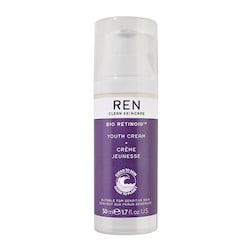
This creamy formula is powered by Bidens pilosa extract, red algae and olive leaf extract to help firm and smooth your skin.15–17 It’s gentle enough for delicate skin and works without the need for ramp-up time or rest days.
Apply one to two pumps to clean skin in the morning and evening. Massage gently until absorbed.
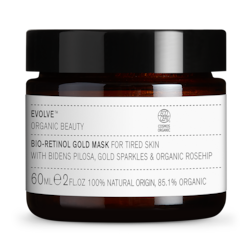
Skincare, but make it luxurious. This shimmering golden mask blends bio-retinol from Bidens pilosa with organic argan and rosehip oils to hydrate and help improve skin appearance.7,15,18 Its stunning golden hue makes it a delight for both your skin and your senses.
Apply a generous layer to clean skin (avoiding your eyes) and leave it on for five to 10 minutes. Add warm water to transform it into creamy milk before rinsing. Keep your hands dry to maintain its silky texture while applying.
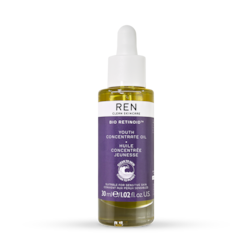
Featuring Bidens pilosa plus organic rosehip and sea buckthorn oils, this face oil helps smooth fine lines, firm skin and nourish dry or delicate skin types.7,12,15
Warm five drops in your palms and gently pat over your face, neck and chest at night. Shake well before use to blend natural sediments.
How to use plant-based retinol products
So, you’ve got your plant-based retinol product in hand – now what? Follow these simple steps to make the most of it and keep your skin happy and glowing:1,5,20
- cleanse with care: start with a gentle cleanser (maybe micellar water) to create the perfect base for your skincare routine
- apply your product: whether it’s a cream, oil or mask, follow the instructions for your chosen product. If layering with other products, moisturise your skin to lock in the goodness
- take it slow: start by using it two to three times a week to let your skin adjust to the active ingredients
- hydrate, hydrate, hydrate: pair your product with a hydrating cream to keep your skin moisturised and resilient
- be patient: great results take time. Stick with it, and you may start to notice improvements in a few weeks
Your skin’s new best friend is ready to elevate your routine. Just follow these steps, and you’re all set.
The final say
Plant-based retinol offers a gentle alternative to traditional retinol, delivering potential benefits like smoothing fine lines and evening skin tone.1 With products like bakuchiol-infused creams, Bidens pilosa oils and hydrating masks, these alternatives are ideal for anyone looking for natural, skin-friendly options.
From luxurious moisturisers to shimmering masks and glow-enhancing oils, these plant-powered picks are a fantastic way to step up your skincare game.
Want to know more about retinol? Check out everything you need to know about retinol cream.
Disclaimer - This article provides informational advice and is not a substitute for medical care. Curated by experts for accuracy, we take great care to ensure the information is up-to-date and relevant. However, you should always consult your GP or healthcare professional before using supplements or alternative products, particularly if you have medical conditions or are under supervision.
1. Dhaliwal S, et al. Prospective, randomized, double‐blind assessment of topical bakuchiol and retinol for facial photoageing. Br J Dermatol. 2018;180(2):289–96. https://deepblue.lib.umich.edu/bitstream/handle/2027.42/147746/bjd16918_am.pdf
2. Motamedi M, et al. A clinician’s guide to topical retinoids. J Cutan Med Surg. 2021;26(1):120347542110350. https://doi.org/10.1177/12034754211035091
3. Cook B, et al. Effects of retinol, natural pea peptide and antioxidant blend in a topical formulation: In vitro and clinical evidence. Dermatol Ther (Heidelb). 2025;15(1):189–200. https://doi.org/10.1007/s13555-024-01332-8
4. Sadgrove NJ, et al. Inspired by vitamin A for anti‐ageing: Searching for plant‐derived functional retinoid analogues. Skin Health Dis. 2021;1(3):e36. https://doi.org/10.1002/ski2.36
5. Nizam NN, et al. Bakuchiol, a natural constituent and its pharmacological benefits. F1000Res. 2023;12:29. https://doi.org/10.12688/f1000research.129072.2
6. Wu M, Crane JS. Biochemistry, collagen synthesis. Treasure Island (FL): StatPearls Publishing; 2023. Available from: https://www.ncbi.nlm.nih.gov/books/NBK507709/
7. Oargă DP, et al. Unveiling the mechanisms for the development of rosehip-based dermatological products: An updated review. Front Pharmacol. 2024;15:1390419. https://doi.org/10.3389/fphar.2024.1390419
8. Puyana C, et al. Applications of bakuchiol in dermatology: Systematic review of the literature. J Cosmet Dermatol. 2022;21(12):6636–43. https://doi.org/10.1111/jocd.15420
9. Narsa AC, et al. A comprehensive review of the strategies to reduce retinoid‐induced skin irritation in topical formulation. Dermatol Res Pract. 2024;2024(1):5551774. https://doi.org/10.1155/2024/5551774
10. Zasada M, et al. A clinical anti-ageing comparative study of 0.3 and 0.5% retinol serums: A clinically controlled trial. Skin Pharmacol Physiol. 2020;33(2):102–16. https://doi.org/10.1159/000508168
11. Al-Niaimi F, Chiang NYZ. Topical vitamin C and the skin: Mechanisms of action and clinical applications. J Clin Aesthet Dermatol. 2017;10(7):14–7. https://pmc.ncbi.nlm.nih.gov/articles/PMC5605218/
12. Gęgotek A, et al. The effect of sea buckthorn (Hippophae rhamnoides L.) seed oil on UV-induced changes in lipid metabolism of human skin cells. Antioxidants. 2018;7(9):110. https://doi.org/10.3390/antiox7090110
13. Bravo B, et al. Benefits of topical hyaluronic acid for skin quality and signs of skin aging: From literature review to clinical evidence. Dermatol Ther. 2022;35(12):e15903. https://doi.org/10.1111/dth.15903
14. Herrmann, M,et al. Blackberry leaf extract: A multifunctional anti-aging active. International journal of cosmetic science. 2007;29: 411. 1 https://www.researchgate.net/publication/5361855_Blackberry_leaf_extract_A_multifunctional_anti-aging_active.
15. Dieamant G, et al. Antiageing mechanisms of a standardized supercritical CO2 preparation of black jack (Bidens pilosa L.) in human fibroblasts and skin fragments. Evid Based Complement Alternat Med. 2015;2015:280529. https://doi.org/10.1155/2015/280529
16. Thiyagarasaiyar K, et al. Algae metabolites in cosmeceutical: An overview of current applications and challenges. Mar Drugs. 2020;18(6):323. https://doi.org/10.3390/md18060323
17. Melguizo-Rodríguez L, et al. Biological effects of the olive tree and its derivatives on the skin. Food Funct. 2022;13(22):11410–24. https://doi.org/10.1039/D2FO01945K
18. Serrafi A, et al. The importance of argan oil in medicine and cosmetology. Nutrients. 2024;16(20):3573. https://doi.org/10.3390/nu16203573
19. Huang TH, et al. Cosmetic and therapeutic applications of fish oil’s fatty acids on the skin. Mar Drugs. 2018;16(8):256. https://doi.org/10.3390/md16080256
20. Draelos Z, et al. Clinical evaluation of a nature-based bakuchiol anti-aging moisturizer for sensitive skin. J Drugs Dermatol. 2020;19(12):1181–3. https://doi.org/10.36849/jdd.2020.5522
Related to this article