20% off €45 or 15% off €35
 Track an order
 Manage account
 Buy It Again
 Favourites
 Rewards
 Find a store

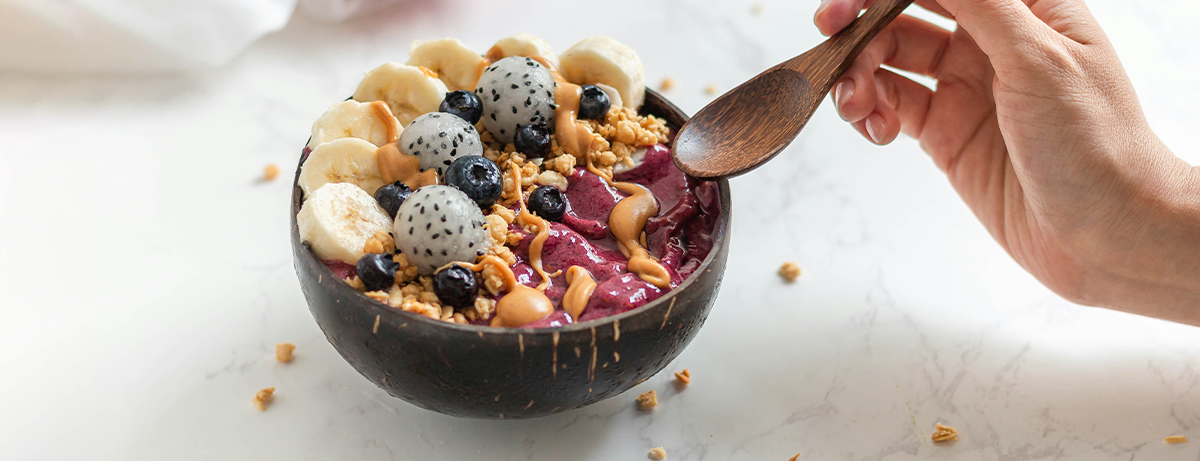
Ever wondered how your body truly protects itself? The answer is antioxidants. See how these vital compounds neutralise cell damage and secure your body's long-term defence system
Summary
1What do antioxidants do?
Antioxidants help to protect your body from unstable molecules called ‘free radicals’ which can cause damage…
2Why do we need antioxidants?
They’re a vital shield for your body’s cells, helping to prevent the daily wear and tear that can lead to longer-term issues…
3What are the different types of antioxidants?
Nutrients like vitamins A, C and E, plus the minerals copper, zinc and selenium are all considered nutrient antioxidants…
Your body has a powerful ally in the ongoing battle against cellular damage: antioxidants. These unsung heroes are essential for our wellness, but what actually are they and how can we make sure we're getting enough?
What do antioxidants do?
Every day, your body performs countless chemical reactions and natural by-products of these processes are unstable molecules called free radicals.1,2 Think of these as tiny troublemakers that are missing a piece. To become stable, they try to steal that missing piece from healthy cells, which causes damage. This process is known as oxidation and when you have more free radicals than your body can handle, it leads to a state called oxidative stress. But don't fret, because this is where antioxidants come in.3,4,5,6
In the body, antioxidants neutralise free radicals by giving up or donating a free electron. This helps stabilise them, so they are no longer able to roam around causing damage to cell membranes and other cell components.7 Imagine antioxidants as your body's defenders, generously giving up a piece of themselves.1,2 By doing this, they make the free radicals harmless and stop them from causing any more damage to your cells.2
Why do we need antioxidants?
Simply put, antioxidants protect the cells in your body from free radicals.8 They act as a vital shield for your body's cells, helping to prevent the daily wear and tear that can lead to longer-term issues. This cellular protection has a direct impact on your overall health, from supporting your immune system to protecting vital organs like your heart and your brain.7 On a more visible level, antioxidants can also play a key role in fighting the signs of ageing, by protecting skin cells from environmental damage, such as sun exposure and pollution.9
The different types of antioxidants
Nutrients like vitamins A, C and E, plus the minerals copper, zinc and selenium are all considered nutrient antioxidants.10,11,12,13 Other compounds, like the phytochemicals and polyphenols found in plants, are considered non-nutrient antioxidants.14,15 Your body can make its own antioxidants but benefits from a helping hand (like your diet) when it comes to the intake of certain types, like vitamins C and E.16
Foods high in antioxidants
The most effective way to get antioxidants is through a varied and colourful diet. By eating a wide range of whole foods, you can provide your body with a powerful mix of these beneficial compounds.17 And the good news is that many of us are probably eating lots of antioxidant foods without thinking twice about it.

- berries: blueberries, strawberries and raspberries are rich in polyphenols
- veggies: leafy greens like spinach and kale, as well as broccoli, are packed with vitamin C
- dairy products: cheese, eggs, milk and yoghurt are all good sources of vitamin A
- nuts and seeds: almonds, sunflower seeds and hazelnuts are filled with vitamin E
- other foods: dark chocolate, green tea and red grapes are all great sources of polyphenols too
What about antioxidant supplements?
Your body makes antioxidants and you can get plenty of them through a healthy, balanced diet, but antioxidant supplements exist too. The catch? Well, the jury's out on whether we actually need to take them. Some research points to some people benefiting from them, like those who can't digest foods properly or those who can't access antioxidant-rich foods due to income or location.19 Ultimately though, it's best to check with a healthcare professional before taking.
The final say
Antioxidants are important compounds that defend your body from the effects of free radicals and help to prevent oxidative stress. By protecting your cells from damage, they're so essential for supporting your overall health and wellness. The best way to harness their benefits is simple: focus on eating a varied and colourful diet – by choosing a rainbow of fruits and vegetables, you can naturally support your body.
Not only is eating a varied diet important for getting plenty of antioxidants, but it's also key for so many other aspects of your health too. Check out our guide to five healthy foods to eat every day or learn more about the superfoods to add to your diet.
Disclaimer – This article provides informational advice and is not a substitute for medical care. Working with experts for accuracy, we take great care to ensure the information is up-to-date and relevant. However, you should always consult your GP or healthcare professional before using supplements or alternative products, particularly if you have medical conditions or are under supervision.
1. Antioxidants and free radical scavengers. New Comprehensive Biochemistry [Internet]. 1994 [cited 2025 Aug 12];113–30. Available from: https://www.sciencedirect.com/science/article/abs/pii/S0167730608604408/
2. de Zwart LL, Meerman JHN, Commandeur JNM, Vermeulen NPE. Biomarkers of free radical damage. Free Radical Biology and Medicine [Internet]. 1999 Jan [cited 2025 Aug 12];26(1-2):202–26. Available from: https://www.sciencedirect.com/science/article/abs/pii/S0891584998001968/
3. NCI Dictionary of Cancer Terms [Internet]. Cancer.gov. 2025 [cited 2025 Aug 12]. Available from: https://www.cancer.gov/publications/dictionaries/cancer-terms/def/oxidation/
4. Rahal A, Kumar A, Singh V, Yadav B, Tiwari R, Chakraborty S, et al. Oxidative Stress, Prooxidants, and Antioxidants: The Interplay. BioMed Research International [Internet]. 2014 [cited 2025 Aug 12];2014:1–19. Available from: https://pubmed.ncbi.nlm.nih.gov/24587990/
5. Lobo V, Patil A, Phatak A, Chandra N. Free radicals, antioxidants and functional foods: Impact on human health. Pharmacognosy Reviews/Bioinformatics Trends/Pharmacognosy review [Internet]. 2010 Jan 1 [cited 2025 Aug 12];4(8):118–8. Available from: https://pmc.ncbi.nlm.nih.gov/articles/PMC3249911/
6. Alugoju Phaniendra, Dinesh Babu Jestadi, Latha Periyasamy. Free Radicals: Properties, Sources, Targets, and Their Implication in Various Diseases. Indian Journal of Clinical Biochemistry [Internet]. 2014 Jul 14 [cited 2025 Aug 12];30(1):11–26. Available from: https://pmc.ncbi.nlm.nih.gov/articles/PMC4310837/
7. Pham-Huy LA, He H, Chuong Pham-Huy. Free Radicals, Antioxidants in Disease and Health. International Journal of Biomedical Science : IJBS [Internet]. 2008 Jun [cited 2025 Aug 12];4(2):89. Available from: https://pmc.ncbi.nlm.nih.gov/articles/PMC3614697/
8. Pham-Huy LA, He H, Chuong Pham-Huy. Free Radicals, Antioxidants in Disease and Health. International Journal of Biomedical Science : IJBS [Internet]. 2008 Jun [cited 2025 Aug 12];4(2):89. Available from: https://pmc.ncbi.nlm.nih.gov/articles/PMC3614697/
9. Antioxidants and Cancer Prevention [Internet]. Cancer.gov. 2017 [cited 2025 Aug 12]. Available from: https://www.cancer.gov/about-cancer/causes-prevention/risk/diet/antioxidants-fact-sheet/
10. NCI Dictionary of Cancer Terms [Internet]. Cancer.gov. 2025 [cited 2025 Aug 12]. Available from: https://www.cancer.gov/publications/dictionaries/cancer-terms/def/antioxidant/
11. Rusu ME, Fizeșan I, Vlase L, Popa DS. Antioxidants in Age-Related Diseases and Anti-Ageing Strategies. Antioxidants [Internet]. 2022 Sep 21 [cited 2025 Aug 12];11(10):1868. Available from: https://pmc.ncbi.nlm.nih.gov/articles/PMC9598595/
12. Office of Dietary Supplements - Vitamin A and Carotenoids [Internet]. Nih.gov. 2025 [cited 2025 Aug 12]. Available from: https://ods.od.nih.gov/factsheets/VitaminA-HealthProfessional/
13. Abdullah M, Jamil RT, Attia FN. Vitamin C (Ascorbic Acid) [Internet]. Nih.gov. StatPearls Publishing; 2023 [cited 2025 Aug 12]. Available from: https://www.ncbi.nlm.nih.gov/books/NBK499877/
14. Office of Dietary Supplements - Vitamin E [Internet]. Nih.gov. 2025 [cited 2025 Aug 12]. Available from: https://ods.od.nih.gov/factsheets/VitaminE-HealthProfessional/
15. Madrigal C, Soto-Méndez MJ, Hernández-Ruiz Á, Ruiz-López MD, Samaniego-Vaesken M de L, Partearroyo T, et al. Dietary Intake, Nutritional Adequacy, and Food Sources of Selected Antioxidant Minerals and Vitamins; and Their Relationship with Personal and Family Factors in Spanish Children Aged 1 to <10 Years: Results from the EsNuPI Study. Nutrients [Internet]. 2022 Oct 5 [cited 2025 Aug 12];14(19):4132. Available from: https://pmc.ncbi.nlm.nih.gov/articles/PMC9573671/
16. Guan R, Le QV, Yang H, Zhang D, Gu H, Yang Y, et al. A review of dietary phytochemicals and their relation to oxidative stress and human diseases. Chemosphere [Internet]. 2021 Jan 4 [cited 2025 Aug 12];271:129499–9. Available from: https://www.sciencedirect.com/science/article/abs/pii/S0045653520336973
17. de Mello Andrade JM, Fasolo D. Polyphenol Antioxidants from Natural Sources and Contribution to Health Promotion. Polyphenols in Human Health and Disease [Internet]. 2014 [cited 2025 Aug 12];253–65. Available from: https://www.sciencedirect.com/science/article/abs/pii/B9780123984562000207/
18. İlhami Gulcin. Antioxidants: a comprehensive review. Archives of Toxicology [Internet]. 2025 Apr 15 [cited 2025 Sep 9]; Available from: https://pmc.ncbi.nlm.nih.gov/articles/PMC12085410/
19. Carlsen MH, Halvorsen BL, Holte K, Bøhn SK, Dragland S, Sampson L, et al. The total antioxidant content of more than 3100 foods, beverages, spices, herbs and supplements used worldwide. Nutrition Journal [Internet]. 2010 Jan 22 [cited 2025 Aug 12];9(1). Available from: https://pmc.ncbi.nlm.nih.gov/articles/PMC2841576/
20. Cieślik E, Gręda A, Adamus W. Contents of polyphenols in fruit and vegetables. Food Chemistry [Internet]. 2006 Jan [cited 2025 Aug 12];94(1):135–42. Available from: https://www.sciencedirect.com/science/article/abs/pii/S0308814604008222/
21. Antioxidants - where are they found and what do they do? [Internet]. Healthdirect.gov.au. Healthdirect Australia; 2024 [cited 2025 Aug 12]. Available from: https://www.healthdirect.gov.au/antioxidants/