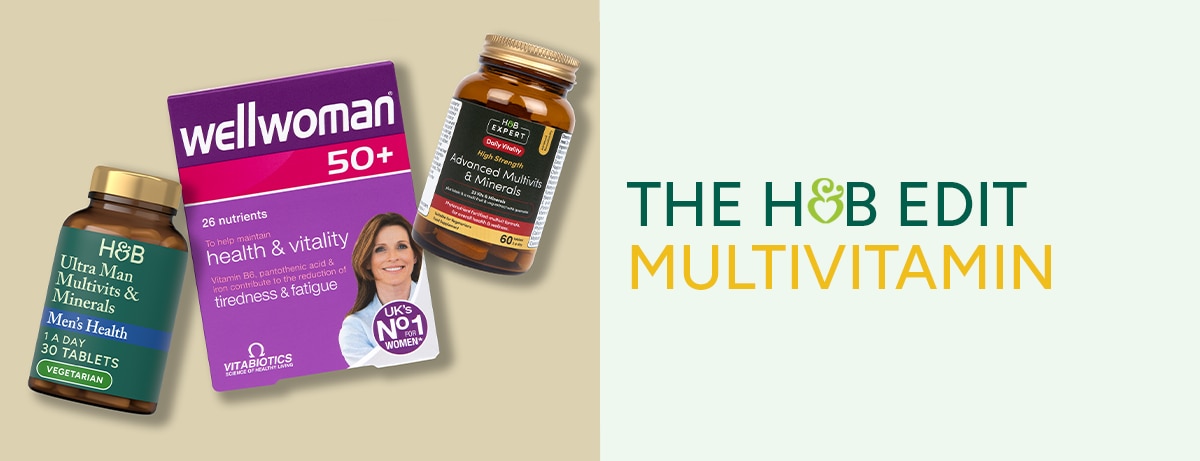
Wondering about the right multivitamin for you? Perhaps you’ve heard about multivitamins and ageing, and want to know more. Whatever your health goals, let’s find the once-a-day dose to suit you
Summary
1What are multivitamins?
Multivitamins are supplements that contain a variety of vitamins and minerals. They come in a range of formats, from chewy to fizzy and more.
2Should I take a multivitamin?
You can get all the vitamins and minerals you need by eating a varied, balanced diet – but a multivitamin can be a handy way to bridge any gaps.
3What about multivitamins and ageing?
Exciting emerging evidence has linked multivitamins to the potential to slow down the signs of biological ageing, but more research is needed.
The idea of a multivitamin is simple – a supplement that gives the extra nourishment you need in a handy once-a-day dose. So, why is it so difficult to choose the right one? Let's look at your age, lifestyle and health goals to help you work out what’s the best multivitamin for you.
What are multivitamins?
Multivitamins are supplements that contain a variety of vitamins and minerals. They come in a range of vitamin and mineral combinations and formats, from vegan multivitamins and multivitamins for kids to chewy ones and effervescent ones that fizz. And even better, emerging evidence has linked multivitamins to the potential to slow down the signs of biological ageing, according to a new study – though more research is needed.1
Should I take a multivitamin?
Your body needs a range of vitamins and minerals, and it’s possible to get all of them by eating a varied, balanced diet without a supplement. However, a daily multivitamin is a convenient way to bridge any nutritional gaps when your diet isn’t providing enough of everything you need.
There are also certain groups of people that are more at risk of deficiencies. For example, if you follow a meat-free diet taking a vegetarian multivitamin may help to increase your intake of some vital nutrients. These include:
- vitamin B12, which you can’t get without meat and dairy unless they’re fortified with this vitamin
- zinc and iron, which you can get from plant sources, but in forms that are harder for your body to absorb
Finally, there are certain times in your life when your wellness may benefit from a supplement of specific vitamins and minerals. For example, you may want to learn more about vitamins to take during pregnancy – and those to avoid, too. There are some multivitamins you shouldn’t take when you’re expecting a baby, such as those that include vitamin A, so it’s important to read the label and talk to your GP before taking supplements.
How to choose the right multivitamin
The exact nutritional content varies significantly between individual products and brands. Your decision on what supplement you need will depend on:
- your age: you may need more or less of a nutrient depending on your age. For example, those entering their 50s may wish to start taking vitamins that maintain normal bones.
- your diet: consider the nutritional value of what you eat. Do you have a diet that’s low or high in certain foods? For example, if you’re vegetarian, a multivitamin with B12 provides an extra supplement of a nutrient commonly found in non-vegetarian food sources.3
- immune status: for example, if you’re looking to support your immune system, maybe choose a multivitamin with zinc.
- your health goals: do you want more energy? Consider whether low iron could be feeding your fatigue. Or if you're missing out on sunshine in the autumn and winter months, look for vitamin D in the ingredients. Maybe you want to live forever? Well, we can’t guarantee that – but there is exciting emerging evidence that a multivitamin can help slow the signs of biological ageing.3
If you have specific health concerns, please seek medical advice first.
The connection between multivitamins and ageing
A recent study has suggested a connection between taking a multivitamin and reduced signs of biological ageing, which are typically measured by changes to your DNA.4 We’re always led by the latest science, so we asked our Director of Science Abbie Cawood for her take. “This is an exciting development in a rapidly evolving field,” she says. “For the first time, we have large-scale randomised trial evidence suggesting a daily multivitamin can modestly influence biological ageing, in this case roughly four months less ageing over two years.”
“Importantly, this study fits with a growing body of similar research: more than ten supplement trials, including omega-3 and vitamin D, alongside lifestyle interventions such as a healthy diet and exercise, have reported similar positive shifts in biological age,” says Abbie. “That said, the field is still emerging, and experts continue to debate how meaningful these modest changes are for long-term health outcomes.”
“It is also important to recognise that biological age itself is becoming a much richer picture,” Abbie continues. “The most modern biological clocks can now estimate organ-specific ageing – your heart, your brain, your liver – rather than just a single overall score." So while a multivitamin is a good place to start, your best bet for a long, full life is to look at your lifestyle and nutrition too. “This multivitamin study is just one early signal in what is likely to become a much bigger story in ageing science,” she says.
Daily energy and longevity support
New Nordic
€22.97
€0.77/1 Tablet
Multivitamin for kids
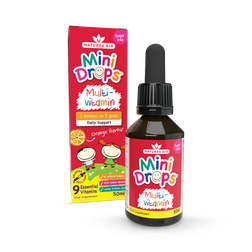
Natures Aid
€10.56
€21.12/100 ml
Advanced multivitamin
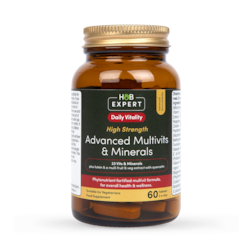
H&B Expert
€13.64
€9.09
€0.15/1 Tablet
Multivitamins for kids
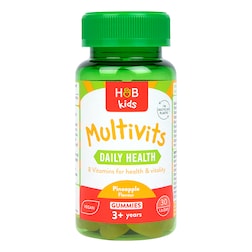
Holland & Barrett
€8.19
€4.10
€0.14/1 Chewable
Vegan multivitamin
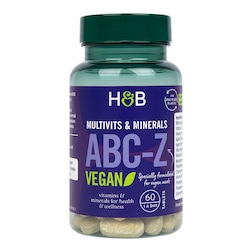
Holland & Barrett
€11.69
€5.85
€0.10/1 Tablet
Multivitamin for women over 50
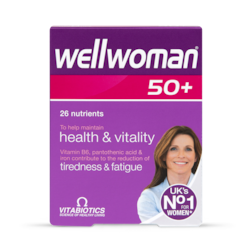
Vitabiotics
€20.49
€0.68/1 Tablet
Pregnancy multivitamin
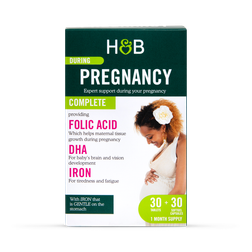
Holland & Barrett
€3.49
€0.06/1 Capsule
What multivitamin is right for you?
To make taking a supplement part of your daily routine, you need to find a type that you will want to take consistently. Here are five common forms:5
- tablets and capsules: they’re quick, convenient and easy to take on the go. But some people find them difficult to swallow. These are more often used for oil or liquid-based supplements. They can be easier to swallow than capsules or tablets.
- chewable gummies: multivitamin gummies offer a more pleasant way for you to take your vitamins, meaning you’re less likely to forget to take them. The kids’ versions often go down well with little ones too.
- liquid multivitamins: these are a great alternative for those who have difficulty swallowing pills or chewing. You’ll often find versions of these for babies and children, as they can easily be added to their existing food or drink.
- effervescent: these fizzy solutions can promote rapid absorption. They also avoid any difficulty swallowing large pills.
Multivitamin FAQs
A recent analysis from the COSMOS study suggests taking a daily multivitamin may slightly slow biological ageing in older adults.5 Researchers observed around four months less biological ageing over two years based on DNA methylation markers, which is a fancy way of saying the changes on your DNA. While promising, biological ageing or ‘epigenetic clocks’ are still an emerging area. Multivitamins may support healthy ageing, but they work best alongside a balanced diet and healthy lifestyle.
Chronological age is the number of years you’ve lived, while biological age reflects how well your body is ageing at a cellular level. Scientists often estimate it using ‘epigenetic clocks’, which analyse chemical changes to DNA known as methylation. These patterns shift as we age, meaning two people of the same age can have very different biological ageing profiles.
The headlines refer to findings from the COSMOS clinical trial, which studied adults aged 60 and over.5 Researchers found that participants taking a daily multivitamin showed slightly slower biological ageing over two years compared with a placebo. The difference was modest – about four months’ biological age – and measured using ‘epigenetic clocks’, which estimate ageing through changes in DNA methylation (chemical markers on DNA that change as we get older).
The COSMOS analysis also suggested that the benefits may have been more noticeable in people who's DNA already ‘seemed’ older (their biological age) than their actual or chronological age (the number of year they’d lived so far). This could point to underlying nutritional gaps or other factors linked with faster ageing in the body, although more research is needed to understand this fully. For younger adults, or those already following a balanced diet, the evidence for additional benefits is currently more limited.
All essential nutrients are equally important for healthy ageing. For example, B vitamins help support energy metabolism and cognitive function, while vitamin D contributes to bone and immune health. Magnesium supports muscle and nerve function, and zinc helps maintain immune defences. As nutrient needs and absorption change with age – such as vitamin B12 absorption decreasing – these vitamins and minerals become increasingly important.
A multivitamin can help provide a range of essential vitamins and minerals, particularly if your diet doesn’t always give you what you need. However, some people may benefit from specific supplements depending on their individual needs – for example vitamin D, omega-3 fatty acids or magnesium. Choosing supplements should ideally be based on personal requirements rather than a one-size-fits-all approach – that’s why we're always here to talk about multivitamins and more.
The final say
Multivitamins are an easy way to support your wellness everyday alongside a balanced diet and healthy lifestyle – almost without thinking about it. The only tough part is choosing from the multitude of, err, multivitamins on offer.
The one that’s right for you will vary according to your individual circumstances and, of course your health goals. Need help to choose? Talk to one of our specially trained Wellness Champions about how you can back your body today.
Disclaimer – This article provides informational advice and is not a substitute for medical care. Working with experts for accuracy, we take great care to ensure the information is up to date and relevant. However, you should always consult your GP or healthcare professional before using supplements or alternative products, particularly if you have medical conditions or are under supervision. Any personal experiences shared reflect one individual’s results and are not guaranteed, as outcomes can vary from person to person.
1. Li S, Hamaya R, Zhu H, Chen BH, Pereira AC, Ivey KL, et al. Effects of daily multivitamin–multimineral and cocoa extract supplementation on epigenetic aging clocks in the COSMOS randomized clinical trial. Nature Medicine [Internet]. 2026 Mar 9 [cited 2026 Mar 9];1–11. Available from: https://www.nature.com/articles/s41591-026-04239-3
2. Sobiecki JG, Appleby PN, Bradbury KE, Key TJ. High compliance with dietary recommendations in a cohort of meat eaters, fish eaters, vegetarians, and vegans: results from the European Prospective Investigation into Cancer and Nutrition–Oxford study. Nutrition Research [Internet]. 2016 May;36(5):464–77. Available from: https://www.sciencedirect.com/science/article/pii/S0271531716000026
3. Li S, Hamaya R, Zhu H, Chen BH, Pereira AC, Ivey KL, et al. Effects of daily multivitamin–multimineral and cocoa extract supplementation on epigenetic aging clocks in the COSMOS randomized clinical trial. Nature Medicine [Internet]. 2026 Mar 9 [cited 2026 Mar 9];1–11. Available from: https://www.nature.com/articles/s41591-026-04239-3
4. Li S, Hamaya R, Zhu H, Chen BH, Pereira AC, Ivey KL, et al. Effects of daily multivitamin–multimineral and cocoa extract supplementation on epigenetic aging clocks in the COSMOS randomized clinical trial. Nature Medicine [Internet]. 2026 Mar 9 [cited 2026 Mar 9];1–11. Available from: https://www.nature.com/articles/s41591-026-04239-3
5. Li S, Hamaya R, Zhu H, Chen BH, Pereira AC, Ivey KL, et al. Effects of daily multivitamin–multimineral and cocoa extract supplementation on epigenetic aging clocks in the COSMOS randomized clinical trial. Nature Medicine [Internet]. 2026 Mar 9 [cited 2026 Mar 9];1–11. Available from: https://www.nature.com/articles/s41591-026-04239-3