20% off €45 or 15% off €35
 Track an order
 Manage account
 Buy It Again
 Favourites
 Rewards
 Find a store
Does cherry juice help you sleep? What to know before you try it

Written byEloise Wright

Reviewed byHeeral Tomlinson
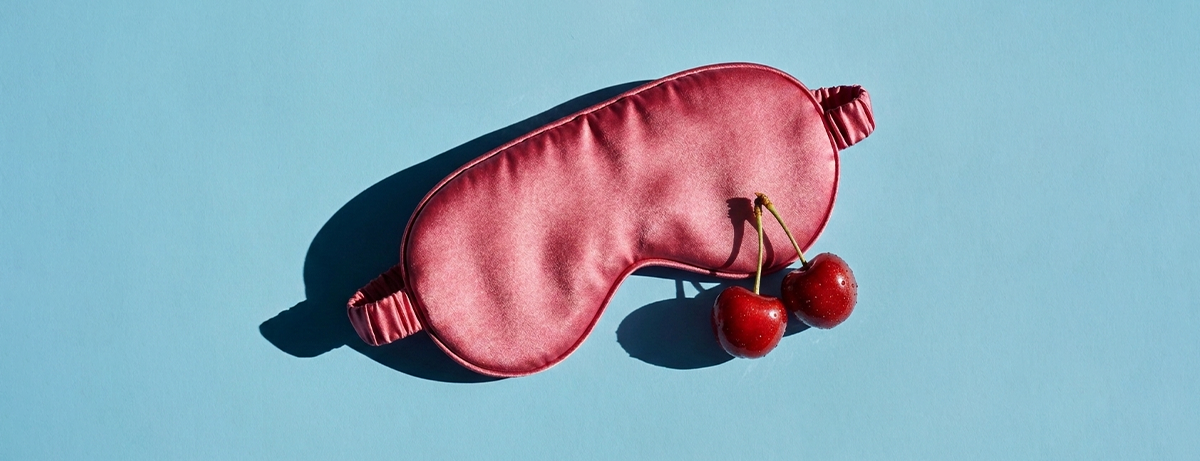
Tart, tangy and tasty – cherry juice is the new go-to drink people are pouring into their evening routines for a little wind-down appeal and a bold, bedtime-friendly twist
Summary
1What is cherry juice?
Made from sweet or tart cherries, cherry juice can be sold as a drink or concentrate – taste, sugar content and cherry concentration can all differ.
2Can cherry juice help with sleep?
There’s growing interest in tart cherry juice for evening routines, but the science isn’t settled. Try thinking of it as a wind-down extra.
3Is cherry juice good for you?
It brings fruity flavour and plant compounds, but it’s still a juice. That means sensible portions and enjoying it as part of a balanced diet.
Cherry juice has been bubbling away in wellness conversations for a while, but lately it’s started to get a little more attention – particularly from people looking to make their evening routine feel calmer, cosier and support their bedtime routine. Tart cherry juice, with Montmorency cherries specifically, is often linked with winding down before bed, because it contains natural plant compounds and small amounts of melatonin, both of which have attracted research interest.1
But before we crown it the drink of dreams, a little perspective helps. The research is interesting, but it’s still developing – and cherry juice isn’t a shortcut to perfect sleep, instant recovery or glowing health on tap (but if we find it, we’ll tell you). Holland & Barrett science communications manager Heeral Tomlinson explains, “While tart cherry products have become popular within evening wellness routines, they’re best viewed as one part of an overall healthy lifestyle rather than a solution for sleep difficulties.” In other words, cherry juice can be a nice add-on to your bedtime routine, but don’t expect one glass to do the heavy lifting.
What is cherry juice?
Made by pressing cherries into juice, it seems simple enough. But actually, the type of cherry matters – you’ll usually see cherry juice made from either sweet cherries or tart cherries. Tart cherry juice is often made from Montmorency cherries, which have a sharper, more sour flavour than the sweeter cherry juices you might drink purely for taste.
Heeral explains why that distinction is important: “Much of the emerging research exploring tart cherries and sleep has focused specifically on Montmorency tart cherry concentrate, which is concentrated tart cherry juice, or supplement-style products, such as capsules containing dried or concentrated cherry material. These are often used in controlled amounts that may differ from standard cherry juice products available on the market.”
So, not every bottle of cherry juice should be treated as the same thing. Some are concentrates, some are ready-to-drink juices, some are blended with other fruit juices and some may contain added sugar. As ever, the label is your friend.
Why do people drink cherry juice?
A big reason tart cherry juice is having a moment is its emerging link with sleep and evening routines. While research in this area is still developing, some people choose to include it as part of their wind-down ritual. Think less 'miracle sleep elixir' and more 'soothing routine that may help signal the end of the day.’ While some people drink tart cherry juice with Montmorency cherry extract before bed as part of a wind-down routine, others use it after exercise because it’s refreshing, easy to add to smoothies and has been studied in relation to exercise recovery.2
There’s also the nutrition angle. “Montmorency tart cherries naturally contain plant compounds called polyphenols, alongside nutrients such as potassium, which can contribute to a balanced and varied diet,” says Heeral. They get their deep red colour from anthocyanins – plant compounds found in many richly coloured fruits and vegetables. “Tart cherries are naturally rich in anthocyanins, the compounds responsible for their deep red colour, which have been widely studied for their role in overall health and wellbeing.” That’s not a reason to swap your fruit bowl for a bottle of juice, though. Cherry juice can add variety, but whole fruits and vegetables still bring the fibre, texture and wider nutrient mix that juices often lack.
Can you drink cherry juice for sleep?
This is the question that gives tart cherry juice its modern wellness glow. Search interest in cherry juice benefits is often driven by sleep – and it’s easy to see why. Tart cherries naturally contain small amounts of melatonin, alongside other plant compounds. Some studies have explored whether tart cherry products may influence sleep quality, although the mechanisms involved are not yet fully understood.1 Heeral says, “Some small studies have explored tart cherry concentrate in relation to sleep quality and sleep duration, although the evidence is still developing and findings have been mixed.” And that’s the key point – there’s a possible link, but it’s not strong enough to say tart cherry juice will improve sleep for everyone.
So where does that leave your bedtime glass? Tart cherry juice may be a nice addition to an evening routine, especially if it helps you create a calmer cut-off point between day and night. But the bigger sleep wins are still likely to come from the less glamorous stuff: regular bedtimes, morning daylight, less late-night caffeine, fewer midnight scroll sessions and a wind-down routine you can actually stick to. “As with many nutrition trends, overall dietary and lifestyle habits are likely to have a far greater impact on sleep than any single food or drink alone.”
What are other cherry juice benefits?
It may fit into post-exercise recovery routines
Tart cherry juice is also popular in the fitness world, especially among people doing intense training or endurance exercise. Some research has looked at tart cherry products in relation to exercise recovery, including muscle soreness and strength recovery after strenuous activity.2
But this is another area where the wording matters. It’s not quite ‘drink cherry juice = recover faster.’ The evidence is mixed, and effects may depend on things like the type of exercise, the dose, the timing and whether the product used was a concentrate, capsule or juice.2
A better way to think about it? Tart cherry juice may sit nicely within a broader recovery routine. But the real recovery basics are still food, fluids, rest, protein, carbohydrates and giving your body enough time between tough sessions.
It contains plant compounds
Tart cherries contain polyphenols, including anthocyanins, which are found in many deep red, purple and blue plant foods. These compounds are one of the reasons tart cherries have been studied in areas like sleep, exercise and general wellbeing.
Still, juice isn’t the same as whole fruit. Whole cherries, berries, grapes and plums offer fibre alongside their plant compounds, so cherry juice is best seen as an addition to a varied diet rather than a replacement for eating fruit.
It can provide certain nutrients
Cherry juice can provide small amounts of vitamins and minerals, although this varies a lot. This is where it’s important not to overpromise nutrient percentages, because one brand of cherry juice may look very different from another. Heeral explains, “Alongside naturally occurring carbohydrates, tart cherry products can also provide small amounts of vitamins and minerals, including potassium, which contributes to normal muscle and nervous system function.3 It’s important not to assume that all cherry juices offer the same nutritional composition or have been studied in the same way. Many of the available studies have used concentrated tart cherry products rather than regular cherry juice drinks.”
Is cherry juice good for you?
Cherry juice can be part of a healthy, balanced diet – especially if you enjoy the taste and use it sensibly. But it’s still fruit juice, which means portion size matters. In the UK, the NHS recommends limiting fruit juice, vegetable juice and smoothies to a combined total of 150ml per day. Heeral says, “When choosing a cherry juice product, it’s worth checking the label carefully, as some products can contain relatively high amounts of free sugars or vary significantly in cherry concentration.”
A good rule of thumb is to look for 100% cherry juice or tart cherry juice with no added sugar, check the serving size and avoid assuming that ‘natural’ automatically means low in sugar. You can also dilute it with still or sparkling water if you want the flavour to go further.
Cherry juice FAQs
Tart cherry juice is usually made from sour cherries, such as Montmorency cherries. It has a sharper, tangier flavour and is the type most often studied in relation to sleep and exercise recovery.1,2 Cherry juice can also be made from sweeter cherries, which tend to taste softer and more dessert-like. The key thing to remember is that the research doesn’t apply equally to every cherry juice drink on the shelf, especially when studies have used tart cherry concentrates or supplement-style products.
You can drink cherry juice regularly if it fits your diet, but it’s best to keep portions sensible. UK guidance recommends limiting fruit juice and smoothies to 150ml per day in total, even when they’re unsweetened.4 If you enjoy tart cherry juice in the evening, think of it as part of your wider routine rather than the routine itself. It should sit alongside the basics: a balanced diet, good hydration, regular movement and sleep habits that help you properly wind down.
Cherry juice can be relatively high in naturally occurring sugar because it’s made by pressing fruit into juice. Even when no sugar is added, the sugars released during juicing count as free sugars.4 The amount varies between products, so check the nutrition label for ‘of which sugars’. If you want the flavour without a larger serving of juice, try diluting it with water.
The final say
Tart cherry juice has a lot going for it, from its sharp-sweet taste to its interesting – if still emerging – link with sleep, unwinding and post-exercise recovery. But it’s definitely not a wellness shortcut and it shouldn’t be treated like one. The most useful way to approach cherry juice is as a small, enjoyable part of a balanced lifestyle. Choose products carefully, keep an eye on sugar, stick to sensible portions and remember that your overall habits will always matter more than a single drink before bed.
Want more expert tips for a better night’s sleep? Check out our article about the science behind sleep gummies, or find your next bedtime routine go-to in our edit on products to help you unwind.
Disclaimer – This article provides informational advice and is not a substitute for medical care. Working with experts for accuracy, we take great care to ensure the information is up-to-date and relevant. However, you should always consult your GP or healthcare professional before using supplements or alternative products, particularly if you have medical conditions or are under supervision.
1. The effect of tart cherry on sleep quality and sleep disorders: a systematic review. Food Science & Nutrition. 2025.
2. Kim J. Tart cherry supplementation for exercise recovery: an evidence-informed narrative review and applied monitoring framework. Physical Activity and Nutrition. 2026.
3. EFSA Panel on Dietetic Products, Nutrition and Allergies. Scientific opinion on the substantiation of health claims related to potassium and normal muscular and neurological function. EFSA Journal. 2010.
4. NHS. 5 A Day: what counts? 2022.
Related to this article