20% off €45 or 15% off €35
What is choline and why is it important? Benefits, sources & how it supports your brain

Written byHeeral Tomlinson

Reviewed byShaun Ward

Choline might not be on your radar, but it should be. We asked an expert how this essential nutrient helps to support your brain and body
Summary
1What is choline?
Choline is an essential nutrient that your body needs for so many processes, like supporting your brain and nervous system.
2What foods are high in choline?
There are many foods that have choline, but the foods highest in choline include eggs, beef liver, salmon and chicken breasts.
3What is choline good for?
Choline has so many important roles, including helping your brain send messages and building healthy brain cells.
When it comes to supporting your brain health, nutrients like omega-3s and B vitamins often take centre stage. Choline is rarely part of the conversation, but as it turns out, it plays a vital role.
From brain development and cognitive function to cell structure and metabolism, but despite its importance, research suggests many people may not be getting enough.1-6 So, what exactly is choline and why does it matter? Here, our Senior Scientist, Shaun Ward, explains.
What is choline?
“Choline is an essential nutrient required for many fundamental processes in the body, particularly those related to brain and nervous system function,” says Shaun.1 It supports how your body uses fats for energy, helps build and maintain cell membranes and is used to make acetylcholine (a chemical that helps nerve cells send messages around the body).3
“Although the body can produce small amounts of choline in the liver, this natural production isn’t enough to meet daily needs,” Shaun continues.3 “This means that we need to turn to our diet, or sometimes a supplement, to get enough.”
What foods contain choline?
“The truth is that although choline occurs naturally in a variety of foods, not many can provide meaningful amounts to meet daily recommendations,” Shaun explains.1 “Plus, the foods that are higher in choline per serving are mostly animal-based. So, meeting daily intake recommendations through diet alone may require careful planning, particularly for people who are vegan or vegetarian.”
“Eggs are one of the most accessible choline sources, with most of the nutrient found in the yolk. In fact, just two eggs can provide a substantial proportion of the recommended daily intake for adults.”1
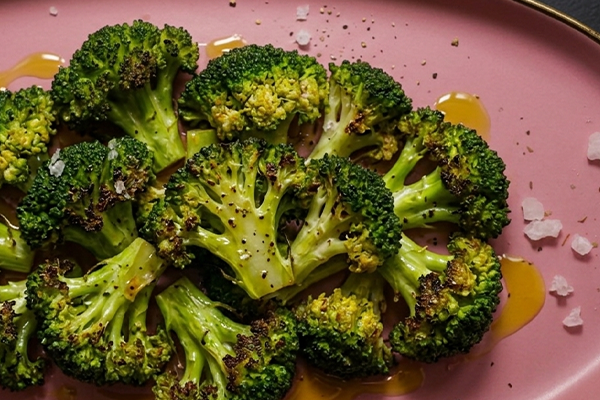
Some of the most concentrated choline rich foods include:1
- A large egg: ~145 mg
- 85g of beef liver: ~350 mg
- 85g of salmon: ~60 mg
- 85g of chicken breast: ~70 mg
- 90g cooked of soybeans: ~100 mg
- 80g cooked or broccoli: ~30 mg
What does choline do?
Choline has a variety of important roles within your body, particularly helping to support your brain health. “In simple terms, choline helps your brain send messages, build healthy brain cells and supports key processes which help keep your nervous system functioning normally,” says Shaun.
Here’s how choline helps to support your brain:
- It helps brain cells communicate
“One of the most important roles of choline is helping the body produce acetylcholine, a chemical messenger in the brain,” says Shaun.2 “Acetylcholine helps nerve cells communicate with each other and is involved in functions such as, memory, learning, attention and focus. When brain cells can send signals efficiently, it supports the processes that allow us to think, remember and concentrate.”3 - It works to build and maintain brain cells
“Choline is also used to build important fats called phospholipids, which form part of the outer structure of every cell in the body, including brain cells,” says Shaun.2,3 “These molecules help form the protective outer layer of brain cells, maintain healthy cell structure and support communication between neurons (think of these as messengers that use signals to help you think, feel and move).2,3
“Because brain cells rely on strong and flexible membranes to send signals, this structural role of choline is essential for normal brain function.”2,3 - It helps to support important metabolic processes
“Choline also helps regulate certain chemical processes in the body, including homocysteine metabolism,” says Shaun.1-3 “Homocysteine is a naturally occurring compound in the blood and choline helps the body process and regulate it, which is important because high levels can be harmful to the body over time.”1-3 - It helps your baby’s brain develop
“Research suggests that choline may be particularly important during the first 1,000 days of life – the period from conception through to around a child’s second birthday,” says Shaun.2,3 “This window is considered one of the most critical stages for brain development.”
During this time, the brain grows rapidly as billions of new cells are formed and connections between neurons are established.2 Choline helps support several processes involved in this early development, including:2
- forming the neural tube, which develops into the brain and spinal cord
- growing and developing new brain cells
- developing the hippocampus (a brain region important for memory and learning)
- forming synapses, the connections that allow brain cells to communicate
“For this reason, recommended choline intake levels are higher during pregnancy and breastfeeding, when demand for this nutrient increases to support both mother and baby.”2 - It may help support your brain in later life
“While the role of choline in early brain development is well established, research exploring its relationship with cognitive health in adults is still evolving,” Shaun tells us. “Observational studies have begun to identify links between dietary choline intake and cognitive performance, particularly in older adults.2-4
“For example, people with moderate choline intake tend to perform better in their attention, processing speed and visual memory compared with people with low choline intakes. Some research has also found that moderate choline intakes are associated with lower odds of dementia, although the relationship appears U-shaped, meaning both very low and very high intakes may be less favourable.”3
How much choline per day do you need?
“The amount of choline you need changes throughout your life,” Shaun explains.1 “Recommended intakes typically increase as you get older.” However, you may need more choline during certain times in your life, like when if you’re pregnant or breastfeeding. This is “to ensure that enough is transferred to your baby and into breast milk, which helps to support your baby’s growth and early brain development.”
The most widely accepted choline recommendations are:4
- infants (<one year): 160 mg per day
- children (one to three years): 140 mg per day
- children (four to six years): 170 mg per day
- children (seven to 10 years): 250 mg per day
- adolescents (11-14 years): 340 mg per day
- adolescents (15-17 years): 400 mg per day
- adults (18+ years): 400 mg per day
- pregnancy: 480 mg per day
- breastfeeding: 520 mg per day
Are you getting enough choline?
“While we don’t know exactly how many people have a low choline intake, there are several age groups that tend to fall below recommended levels,” says Shaun.1 “For example, in studies looking at Europe and the United States, the typical average choline intake in adults is around 300mg choline per day, which is roughly a 25% less than what they actually need.”4-6
The gap appears even more pronounced during pregnancy. “While recommended intake increases to around 480mg per day, average dietary intake doesn’t appear to increase to the same extent, suggesting that many pregnant women may struggle to meet these higher requirements.1,4-6 The only age groups that consistently appear to meet recommended intakes are younger children between approximately one and 10 years of age.”4-6
Some people may benefit from paying closer attention to their choline intake or considering supplements if dietary intake is low. Speak to your doctor or dietitian before taking any new supplements for the first time to check whether they’re right for you.
Choline FAQs
One large egg contains around 145-170mg of choline, with most of it found in the yolk. Eggs are considered one of the richest dietary sources of choline.
Cooking may cause a small reduction in choline levels, but eggs remain a good source of choline whether they’re boiled, poached, scrambled or fried. Overall, the difference is generally small.
No. Choline and acetylcholine are related, but they’re not the same thing. Choline is an essential nutrient found in foods, while acetylcholine is a neurotransmitter that the body produces using choline. Acetylcholine helps support memory, mood, muscle control and nervous system signalling.
Choline supplements can help increase choline intake in anyone not getting enough through their diet, including some pregnant women, people following vegan diets or anyone with low dietary intake. It’s best to speak to a doctor or dietitian before taking a new supplement.
The final say
Choline isn’t one of the most widely talked about nutrients, but it plays an essential role in supporting how the brain works and develops. Including a variety of choline-rich foods such as eggs, fish, meat, legumes and certain vegetables can help support healthy intake and contribute to brain health across the lifespan. If choline intake remains low from food, choline supplements are another option to discuss with a healthcare professional.
Supporting your brain throughout your life is important. Check out our guides to the best supplements for brain health or discover our top product picks for your brain and cognitive function.
Disclaimer – This article provides informational advice and is not a substitute for medical care. Working with experts for accuracy, we take great care to ensure the information is up-to-date and relevant. However, you should always consult your GP or healthcare professional before using supplements or alternative products, particularly if you have medical conditions or are under supervision.
1. Wallace, T. C. et al. Choline: The Underconsumed and Underappreciated Essential Nutrient. Nutr Today 53, 240-253, doi:10.1097/nt.0000000000000302 (2018).
2. Derbyshire, E. & Obeid, R. Choline, Neurological Development and Brain Function: A Systematic Review Focusing on the First 1000 Days. Nutrients 12, doi:10.3390/nu12061731 (2020).
3. Burns, B. C., Belani, J. D., Wittorf, H. N., Brailoiu, E. & Brailoiu, G. C. Choline-An Essential Nutrient with Health Benefits and a Signaling Molecule. Int J Mol Sci 26, doi:10.3390/ijms26157159 (2025).
4. Vennemann, F. B. et al. Dietary intake and food sources of choline in European populations. Br J Nutr 114, 2046-2055, doi:10.1017/s0007114515003700 (2015).
5. Sebastian, R. S., Hoy, M. K., Murayi, T., Goldman, J. D. & Moshfegh, A. J. in FSRG Dietary Data Briefs (United States Department of Agriculture (USDA), 2010).
6. Zuk, E., Nikrandt, G. & Chmurzynska, A. Dietary choline intake in European and non-european populations: current status and future trends-a narrative review. Nutr J 23, 68, doi:10.1186/s12937-024-00970-0 (2024).
7. Bragg, M. G., Prado, E. L. & Stewart, C. P. Choline and docosahexaenoic acid during the first 1000 days and children's health and development in low- and middle-income countries. Nutr Rev 80, 656-676, doi:10.1093/nutrit/nuab050 (2022).
8. Derbyshire, E., Obeid, R. & Schön, C. Habitual Choline Intakes across the Childbearing Years: A Review. Nutrients 13, doi:10.3390/nu13124390 (2021).
9. Liu, L. et al. Choline Intake Correlates with Cognitive Performance among Elder Adults in the United States. Behav Neurol 2021, 2962245, doi:10.1155/2021/2962245 (2021).
10. Liu, D. et al. The association of dietary choline intakes with cognitive function among the older people in underdeveloped regions: findings from the NCDFaC study. Nutr J 24, 148, doi:10.1186/s12937-025-01120-w (2025).
11. An, R., Li, D. & Xiang, X. Choline Intake and Cognitive Function Among U.S. Older Adults. J Nutr Gerontol Geriatr 42, 30-45, doi:10.1080/21551197.2023.2179565 (2023).
12. Niu, Y. Y. et al. Association of dietary choline intake with incidence of dementia, Alzheimer disease, and mild cognitive impairment: a large population-based prospective cohort study. Am J Clin Nutr 121, 5-13, doi:10.1016/j.ajcnut.2024.11.001 (2025).
13. (EFSA), E. F. S. A. Dietary reference values: EFSA publishes advice on choline. (2016).