20% off €45 or 15% off €35
 Track an order
 Manage account
 Buy It Again
 Favourites
 Rewards
 Find a store
What is incontinence? Causes, symptoms and treatment
Written byNatalie Beastall

Reviewed byMillicent Chapman

Leaking during a workout? Constantly needing the loo? Discover why bladder leaks happen, what might be causing your symptoms and the treatments and exercises that may help
Summary
1What is incontinence?
It's the accidental leaking of urine because you're unable to fully control your bladder and can happen for a number of reasons.
2What causes bladder leakage?
For some people, it develops after pregnancy or childbirth, while for others it can be linked to menopause, ageing or an underlying health condition.
3Why am I leaking urine during exercise?
High-impact exercise increases the pressure inside your abdomen, which also puts extra pressure on your bladder.
You're halfway through a run, maybe you've just landed a box jump or laughed a little too hard in your Pilates class. Then it happens – a small bladder leak you weren't expecting.
While it can feel embarrassing, urinary incontinence is far more common than many people realise. And whether your symptoms only happen during exercise or you're constantly searching for the nearest toilet, it's not something you simply have to put up with. That's why we spoke to Millicent Chapman from the science team to talk about exercise, lifestyle changes including diet to help manage them and most importantly when you might need to visit your doctor.
What is incontinence?
Sudden urge to pee and can't hold it? It could be urinary incontinence – which is the accidental leaking of urine because you're unable to fully control your bladder. It can range from the occasional few drops to larger leaks, and for some people, have a real impact on everyday life.
Although it's more common during pregnancy, after childbirth and as we get older, it isn't just an inevitable part of ageing. There are several different types of urinary incontinence and understanding what's behind your symptoms is the right step towards finding the right solution and also knowing when to get medical help.
What are the different types of urinary incontinence?
One person's bladder leak isn't necessarily the same as another's. Some people leak when they exercise, while others feel a sudden urge to pee and can't make it to the toilet in time. Understanding which type of urinary incontinence you have can help you get the right support.
There are several different types of urinary incontinence, including:1
- stress incontinence – this is where urine leaks when pressure is placed on the bladder, such as during coughing, sneezing, laughing or exercise
- urge incontinence – the urine leaks following a sudden, strong urge to urinate or shortly afterwards
- overflow incontinence – the bladder doesn’t empty completely, resulting in frequent or continuous urine leakage
- total incontinence – the bladder is unable to store urine, leading to constant or frequent leakage
What causes bladder leakage?
Bladder leakage doesn't have a single cause. The reason you experience leaks often depends on the type of urinary incontinence you have. "Several factors can increase the risk of developing urinary incontinence," says Millicent. "According to the NHS, these include pregnancy, vaginal birth, menopause, being overweight, a family history of urinary incontinence and increasing age."1
The underlying cause can also vary depending on the type of incontinence:1
- stress incontinence: usually caused by weakened or damaged pelvic floor muscles or tissues that support the bladder and urethra
- urge incontinence: this happens when the bladder muscles become overactive, triggering a sudden, difficult-to-control urge to urinate, even if your bladder isn't full
- overflow incontinence: can occur when the bladder doesn't empty properly, often because of a blockage or weakened bladder muscles. This can lead to frequent dribbling or constant leaks
- total incontinence: this is less common and happens when the bladder can't store urine at all. It may be caused by a condition present from birth, a spinal injury or, in some cases, a fistula (an abnormal connection between the bladder and a nearby organ)
If you’re experiencing bladder leakage for the first time, check with your doctor to rule anything out.
Why am I leaking urine during exercise?
If you've ever leaked a little during a run, HIIT class or while lifting weights, it could be a sign your pelvic floor needs a little extra support. High-impact exercise increases the pressure inside your abdomen, which also puts extra pressure on your bladder and pelvic floor. If those muscles aren't strong enough to cope, urine can leak out – a type of bladder leakage known as stress urinary incontinence.
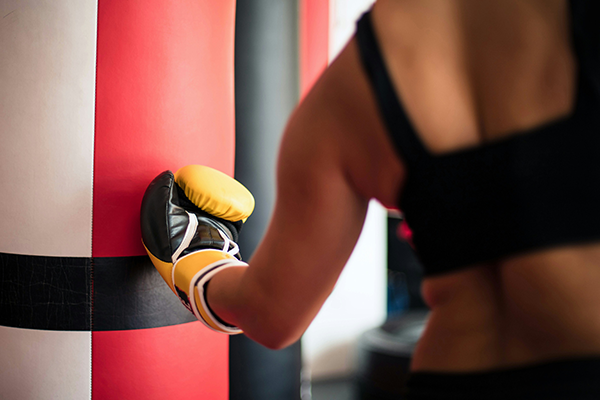
"Research suggests there’s an association between women who take part in physical activity and having a higher risk of stress urinary incontinence, particularly during high-impact exercise,” says Millicent.2 "We don't yet fully understand why some active women develop stress urinary incontinence while others don't, so more research is needed. What's important to know is that it isn't just linked to pregnancy or childbirth. Even young, healthy and physically active women with no obvious risk factors can experience bladder leaks during exercise."3
Which exercises are most likely to cause leaks?
Some women find high impact exercise a common culprit, but that doesn't mean you need to avoid them altogether. "Leaks are most likely to happen during high-impact or high-intensity activities, such as running, jumping, gymnastics and CrossFit," says Millicent.2 "These exercises can increase the pressure on your bladder and pelvic floor, which can trigger stress urinary incontinence if the muscles aren't able to provide enough support."
"One study found that CrossFit may carry a higher risk than activities such as kickboxing or boot camp, possibly because it often involves more jumping and movements that place greater strain on the pelvic floor."3 Pelvic floor exercises, modifying high-impact workouts where needed and seeking advice from a GP or pelvic health physiotherapist can often help improve symptoms.
Should you avoid exercise if you're leaking?
Not necessarily – if certain workouts trigger bladder leaks, it doesn't mean you have to give up exercising altogether. Instead, it may help to temporarily adapt your routine while you work on strengthening your pelvic floor. For example, if running triggers leaks, you could try brisk walking, jogging or cycling instead. If heavy weightlifting is a challenge, lower-impact strength training, Pilates or reformer Pilates may feel more comfortable.
Why am I constantly needing to pee?
Finding yourself making frequent trips to the toilet? While everyone has their own normal, if you're peeing much more often than usual (roughly eight times or more in 24 hours) or constantly feeling like you need to go, it could be a sign that your bladder is more sensitive than it should be.4 However, this can also be a symptom of health conditions so it’s best to check with your doctor first especially if you have other symptoms.
In some people, the bladder muscles contract before the bladder is full, creating a sudden urge to pee or making you feel like you need the toilet more often. You may also notice you're only passing small amounts of urine each time. Factors that can make urinary urgency or frequency include:4
- anxiety
- UTIs
- constipation
- certain medicines
- drinks containing caffeine, such as tea, coffee and some fizzy drinks
- alcohol
How can you stop urine leakage?
If you're wondering how to stop female urine leakage, the answer depends on what's causing it. Many people can improve symptoms with pelvic floor exercises, bladder training and simple lifestyle changes, while others may require medical treatment. If you’ve visited your GP and ruled out any health conditions, you could try the following.1,3,5,6
Pelvic floor exercises (sometimes called Kegels) can help improve bladder control by strengthening the muscles that support your bladder and urethra.
Carrying excess weight can put extra pressure on your bladder and pelvic floor, increasing the risk of leaks.
Both can irritate the bladder and may make symptoms such as urgency and frequency worse in some people.7 Try reducing your caffeine and alcohol intake to see if it makes a difference.
A persistent smoker's cough can put repeated strain on the pelvic floor, while quitting also benefits your overall health.
Straining to open your bowels can weaken the pelvic floor over time, so eating plenty of fibre, staying active and drinking enough fluids may help.
It might seem counterintuitive, but drinking too little water can make urine more concentrated, which may irritate the bladder. Aim to drink around 1.5 to two litres of fluid a day.
Bladder training involves gradually increasing the time between toilet visits to help your bladder hold more urine, but you shouldn’t do this regularly.8
Use incontinence support products if needed
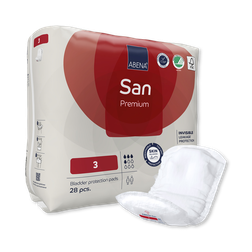
Pads, absorbent underwear and other incontinence products can help you manage symptoms while you're finding the right treatment.
Abena
If lifestyle changes aren't enough, your GP may recommend other support treatments, but the right option will depend on the type and severity of your symptoms.
Leaking during exercise FAQs
It might be common, but it isn't something you should simply accept. Leaking during running is often a sign of stress urinary incontinence, which happens when pressure on the bladder from activities like running, jumping or lifting weights overcomes the muscles that help keep urine in. If it's happening regularly, speak to your GP or a pelvic health physiotherapist, as treatments and exercises may help.
Not necessarily. High-impact activities such as running, trampolining or HIIT can trigger leaks if you already have a weakened pelvic floor but exercise itself doesn't usually cause urinary incontinence. In fact, staying active is important for your overall health, and strengthening exercises such as pelvic floor training and Pilates may help improve symptoms over time.
Like any muscle-strengthening exercise, pelvic floor exercises take time and consistency. Many people start to notice an improvement after six to 12 weeks of doing them regularly, although it can take longer depending on the severity of your symptoms and whether you're performing the exercises correctly. If you don't notice any improvement after around three months, or you're unsure you're doing them properly, speak to your GP or a pelvic health physiotherapist for advice.
The final say
Bladder leaks can feel frustrating, inconvenient and, for many people, difficult to talk about. But you shouldn't just put up with it because you've had children, reached menopause or enjoy high-impact exercise.
Whether your symptoms are occasional or starting to affect your everyday life, understanding the type of urinary incontinence you have can help you get the right support. And with the right combination of lifestyle changes, pelvic floor exercises and medical advice where needed, many people are able to manage their symptoms and get back to doing the things they enjoy.
Up next: discover pelvic floor exercises that can help strengthen your pelvic floor or learn about longevity and why living well matters.
Disclaimer – This article provides informational advice and is not a substitute for medical care. Working with experts for accuracy, we take great care to ensure the information is up-to-date and relevant. However, you should always consult your GP or healthcare professional before using supplements or alternative products, particularly if you have medical conditions or are under supervision.
1. NHS . Urinary incontinence [Internet]. NHS. 2019 [cited 2026 July 23]. Available from: https://www.nhs.uk/conditions/urinary-incontinence/
2. Chisholm L, Delpe S, Priest T, Reynolds WS. Physical Activity and Stress Incontinence in Women. Current Bladder Dysfunction Reports. 2019 July 1;14(3):174–9.
3. Khowailed IA, Pinjuv-Turney J, Lu C, Lee H. Stress Incontinence during Different High-Impact Exercises in Women: A Pilot Survey. International Journal of Environmental Research and Public Health [Internet]. 2020 Nov 12 [cited 2026 July 23];17(22). Available from: https://pubmed.ncbi.nlm.nih.gov/33198262/
4. Urgency and frequency – Rotherham Doncaster and South Humber NHS Foundation Trust (RDaSH) [Internet]. Rdash.nhs.uk. 2026 [cited 2026 July 23]. Available from: https://www.rdash.nhs.uk/services/specialist-continence/continence-symptoms-and-advice/urgency-and-frequency/
5. NHS . Causes - Urinary incontinence [Internet]. Nhs. 2019 [cited 2026 July 23]. Available from: https://www.nhs.uk/conditions/urinary-incontinence/causes/
6. Poenaru MO, Ples L, Toma CV, Augustin FE, Sima RM, Amza M, et al. Conservative Treatment in Stress Urinary Incontinence—Narrative Literature Review. Life [Internet]. 2026 Jan 2 [cited 2026 July 23];16(1):69. Available from: https://www.mdpi.com/2075-1729/16/1/69
7. Cameron AP, Helmuth ME, Smith AR, Lai HH, Amundsen CL, Kirkali Z, et al. Total fluid intake, caffeine, and other bladder irritant avoidance among adults having urinary urgency with and without urgency incontinence: The Symptoms of Lower Urinary Tract Dysfunction Research Network (LURN). Neurourology and Urodynamics. 2022 Oct 23;42(1):213–20.
8. National Health Service. Urinary incontinence - Non-surgical treatment [Internet]. nhs.uk. 2017 Oct [cited 2026 Aug 5]. Available from: https://www.nhs.uk/conditions/urinary-incontinence/treatment/
Related to this article